


Esophageal varices are enlarged veins in the esophagus that can rupture and cause bleeding. This may lead to symptoms such as vomiting blood, dark or black stools, dizziness, and weakness. In severe cases, bleeding from these veins can be life-threatening.
These varices develop due to increased pressure in the veins that drain blood from the liver, a condition known as portal hypertension. This can occur in people with diseases such as liver cirrhosis or venous thrombosis.
If esophageal varices are suspected, it is important to see a gastroenterologist. Treatment may involve medications like propranolol or nadolol, endoscopic procedures such as elastic band ligation, or surgery in more severe cases.
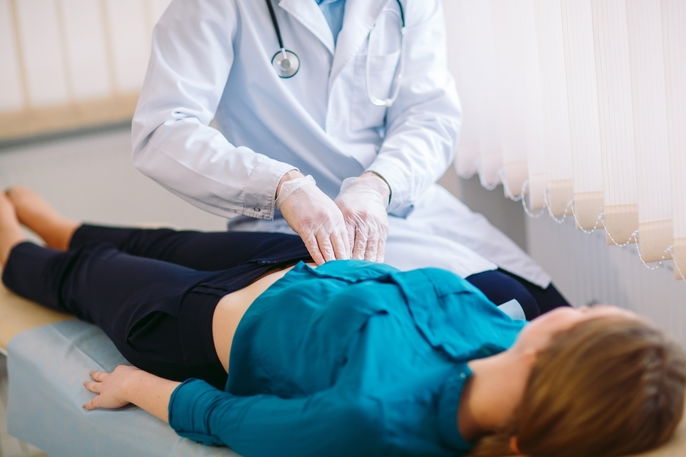
Esophageal varices symptoms
The most common symptoms of esophageal varices include:
-
Vomiting blood;
-
Dark or black stools;
-
Dizziness;
-
Pale skin;
-
Weakness.
These symptoms usually appear only when the varices rupture, causing bleeding in the gastrointestinal tract. Before bleeding occurs, it is common for people with esophageal varices to have no noticeable symptoms.
Bleeding from esophageal varices can be life-threatening. Therefore, if these symptoms occur, it is essential to seek emergency medical care immediately for evaluation and appropriate treatment.
Confirming a diagnosis
The diagnosis of esophageal varices is made by a gastroenterologist through an upper endoscopy. This procedure uses a thin, flexible tube with a camera to visualize the inside of the esophagus and detect dilated veins.
If liver disease is suspected, the doctor may also recommend additional tests such as a complete blood count (CBC), liver function tests, and a coagulation profile (coagulogram).
These exams help assess how well the liver is working and whether blood clotting is impaired.
Possible causes
The main causes of esophageal varices include:
-
Liver disease, especially cirrhosis;
-
Severe right-sided heart failure;
-
Constrictive pericarditis;
-
Blockage of liver veins due to thrombosis;
-
Schistosomiasis, which can interfere with blood flow through the liver veins.
Esophageal varices form as a result of increased pressure in the portal venous system, known as portal hypertension. This pressure causes blood to be redirected, which leads to dilation of veins in the esophagus.
The most common cause is liver cirrhosis, which can be triggered by fat accumulation in the liver (fatty liver disease), excessive alcohol consumption, hepatitis C, or hepatitis B.
Treatment options
Treatment for esophageal varices depends on the severity of the liver disease and the size of the varices.
1. Medications
The main medications used to treat esophageal varices are beta-blockers such as propranolol or nadolol, and splenic vasodilators such as vasopressin or somatostatin. These drugs help reduce pressure in the liver veins.
Although they do not cure esophageal varices, these medications are used to prevent rupture and to manage bleeding if it occurs.
2. Endoscopy
Esophageal varices can also be treated endoscopically, which may involve placing small elastic bands around the veins or injecting a special substance to help close them during the exam.
3. Surgery
Surgery for esophageal varices, known as a hepatic shunt, is mainly used in severe cases when it is not possible to control pressure within the varices through medication or endoscopy alone.
It may also be recommended when other treatments fail to stop esophageal bleeding.
4. Diet
The diet for people with esophageal varices should be low in fat and include easily digestible protein sources, such as fish, white meat, and vegetables, to support liver health.
The following precautions are important to reduce the risk of injury and rupture of the varices:
-
Choose soft foods such as porridge, purees, or smoothies;
-
Chew food slowly and take small bites;
-
Avoid hard, crunchy, or dry foods such as cookies and dried fruits;
-
Avoid very hot foods and let them cool for about 5 minutes before eating.
Reducing alcohol consumption is essential, as it helps prevent further liver damage and reduces the risk of variceal rupture and bleeding.
Also recommended: Fatty Liver Diet: What to Eat, What to Avoid & Meal Plan tuasaude.com/en/fatty-liver-diet