


- High erythritol intake may be linked to blood clots and serious heart problems, including heart attack and stroke.
- Large amounts of erythritol can cause nausea, bloating, or diarrhea, especially in sensitive people or those with IBS.
- Children should only use erythritol with guidance from a pediatrician, since long-term effects of nonnutritive sweeteners are still unclear.
Erythritol is a low-calorie sweetener from the sugar alcohol family that is widely used to replace sugar in foods and drinks. It has a similar taste to sugar and provides about 70% of its sweetness while adding almost no calories.
Erythritol may help support blood sugar control, dental health, and digestion, so it is commonly used in low-carb and diabetic diets. It is also heat stable, which means it can be used as a sugar substitute in cooking and baking.
Although erythritol is generally considered safe, recent studies have raised concerns about a possible link to blood clots and heart problems with high intake. Its benefits, side effects, and recommended use can vary depending on individual health conditions and overall consumption.
Is erythritol bad for you?
Although erythritol is considered safe, more recent studies suggest that this sweetener may promote blood clot formation, which could increase the risk of serious cardiovascular problems such as heart attack, thrombosis, and stroke.
Because of this, people with a history of heart disease or blood clots may be advised to avoid erythritol until more scientific evidence is available.
Health benefits
Benefits of erythritol may include:
1. Helping control blood sugar
Erythritol has a glycemic index of zero and helps control blood sugar and insulin levels.
Because of this, this sweetener may be recommended by a doctor or registered dietitian for people with diabetes or insulin resistance.
2. Providing antioxidant effects
Some animal and laboratory studies suggest that erythritol may act as an antioxidant, helping reduce oxidative stress and inflammation in the intestines.
3. Supporting weight management
Because it is low in calories, erythritol may be a good option to help control hunger, which can support weight maintenance or weight loss.
4. Maintaining good oral health
Erythritol may help support oral health by protecting teeth against cavities, reducing plaque buildup, and slowing the development of tooth decay.
5. Improving digestive tolerance
Erythritol has good digestive tolerance because it is almost completely absorbed in the small intestine and eliminated in the urine without being fermented by intestinal bacteria.
This reduces the risk of gas, bloating, or diarrhea, especially when consumed in moderation and by people without gastrointestinal (GI) problems.
6. Serving as a sugar substitute in recipes
Erythritol is stable at high temperatures and keeps its sweet taste even when heated.
Because of this, this sweetener can be used in recipes for cakes, sauces, and pies as a substitute for sugar.
How to consume
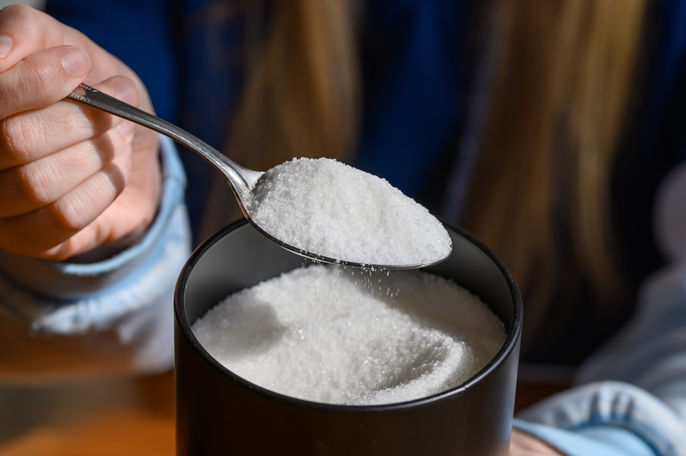
Erythritol is sold in granulated and powdered forms and can be used to sweeten drinks, desserts, sauces, and baked foods.
It is often mixed with stevia-based sweeteners to improve flavor and texture. The U.S. Food and Drug Administration (FDA) allows certain highly purified stevia components, called steviol glycosides, to be used as sweeteners in foods, but whole stevia leaves and crude stevia extracts are not approved for this purpose.
The FDA also considers sugar alcohols, including erythritol, acceptable sugar substitutes in foods and continues to review new scientific evidence about their safety.
Possible side effects
When consumed in moderate amounts, erythritol is generally well tolerated. However, consuming large amounts of erythritol may cause nausea, bloating, or diarrhea, especially in people who are more sensitive.
Contraindications for use
The American Academy of Pediatrics (AAP) notes that more research is needed on the long-term health effects of nonnutritive sweeteners in children. The AAP also supports clearer labeling so families can better understand how much of these sweeteners children may be consuming.
Because of this, children should only use sweeteners such as erythritol with guidance from a pediatrician, especially when there is a medical reason for use, such as diabetes.
In addition, people with irritable bowel syndrome (IBS) should avoid erythritol if it triggers symptoms such as pain, excess gas, or diarrhea.
