


Erosive gastritis is a condition in which the stomach lining becomes inflamed and develops small breaks or erosions. These erosions can damage the protective layer of the stomach and, in some cases, may lead to bleeding.
Common symptoms of erosive gastritis include stomach pain, nausea, bloating, and a feeling of fullness after eating. In more severe cases, vomiting or signs of bleeding may occur, which require medical attention.
Treatment usually involves removing the cause of irritation and using medications to reduce stomach acid and help the lining heal. Early diagnosis and proper management are important to prevent complications and improve symptoms.
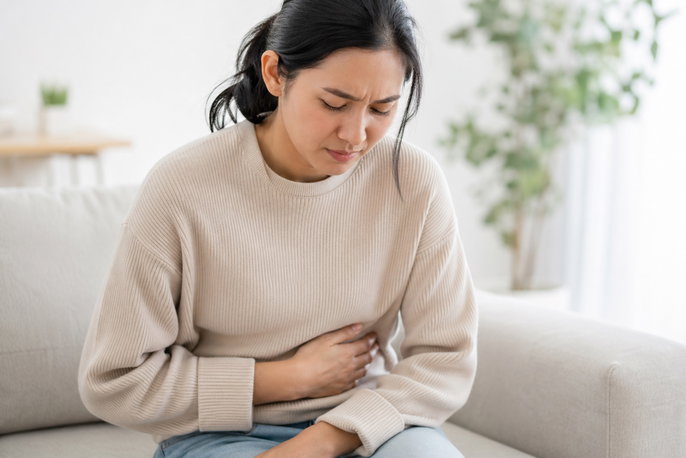
Main symptoms
Erosive gastritis can cause a range of digestive symptoms that vary in intensity depending on the severity of the condition.
-
Upper abdominal pain or burning sensation
-
Nausea or vomiting
-
Bloating or abdominal discomfort
-
Feeling full quickly when eating
-
Loss of appetite
-
Vomiting blood or dark material in severe cases
-
Black or tarry stools if bleeding is present
Symptoms may be mild at first but can worsen if the underlying cause is not treated.
Common causes
Erosive gastritis develops when the stomach’s protective lining is weakened, allowing acid to damage the tissue.
1. Use of nonsteroidal anti-inflammatory drugs (NSAIDs)
Frequent or long-term use of NSAIDs can irritate the stomach lining and reduce its protective defenses. This makes the stomach more vulnerable to acid damage. Over time, this can lead to inflammation and the formation of erosions.
2. Alcohol consumption
Alcohol can directly damage the stomach lining and increase acid production. Regular or excessive intake may weaken the protective barrier of the stomach. This increases the risk of inflammation and erosive changes.
3. H. pylori infection
H. pylori is a bacteria that can infect the stomach lining. It disrupts the normal protective mechanisms and causes inflammation. In some cases, this infection contributes to the development of erosive gastritis.
Also recommended: H. Pylori Symptoms: Top 6 Signs You May Have H. Pylori tuasaude.com/en/h-pylori-symptoms4. Physical stress and severe illness
Serious illness, injury, or hospitalization can lead to stress-related damage to the stomach lining. This is more common in critically ill patients. Reduced blood flow and increased acid production can contribute to erosions.
Confirming a diagnosis
Diagnosis of erosive gastritis usually begins with an evaluation of symptoms and medical history. Doctors will look for risk factors such as medication use, alcohol intake, or recent illness.
An upper endoscopy is the main test used to confirm the diagnosis. This procedure allows direct visualization of the stomach lining and can identify erosions, inflammation, or bleeding areas.
In some cases, a biopsy may be taken during endoscopy to examine the tissue under a microscope. Additional tests may also be used to detect Helicobacter pylori infection.
Treatment options
Treatment for erosive gastritis focuses on reducing stomach irritation, healing the lining, and addressing the underlying cause.
1. Medications
Medications that reduce stomach acid are commonly used to promote healing. These include proton pump inhibitors and H2-receptor blockers. In some cases, medications that protect the stomach lining may also be prescribed.
2. Treating underlying causes
If erosive gastritis is caused by H. pylori, antibiotic therapy may be used to eliminate the infection. When medications like NSAIDs are the cause, stopping or replacing them may be necessary.
3. Lifestyle changes
Reducing alcohol intake and avoiding irritant foods can help improve symptoms. Managing stress and maintaining a balanced diet may also support recovery. These changes can help prevent further damage to the stomach lining.
Also recommended: H. Pylori Diet: Clinical Protocol (Food to Eat/Avoid) & Meal Plan tuasaude.com/en/diet-for-h-pyloriPrevention measures
Preventing erosive gastritis involves reducing exposure to factors that irritate the stomach lining. Avoiding unnecessary use of NSAIDs and limiting alcohol intake are important steps.
Managing stress and treating infections like Helicobacter pylori can also lower the risk. In certain high-risk situations, such as severe illness, preventive medications may be used to protect the stomach lining.