


Equine therapy is a therapeutic method that uses horses to help stimulate both mental and physical development. It may help improve neurological function and is recommended for people with physical disabilities or special needs, such as Down syndrome, cerebral palsy, multiple sclerosis, or autism.
This type of therapy, also called hippotherapy or horse-assisted therapy, is based on the horse’s repetitive movement patterns. These movements can help stimulate the person’s responses and may improve mobility, balance, muscle strength, and social interaction.
Equine therapy sessions usually last about 30 minutes. They are typically done once a week and may take place individually or in groups, with guidance from a therapist such as a specially trained physical therapist, psychomotor therapist, or speech-language pathologist.
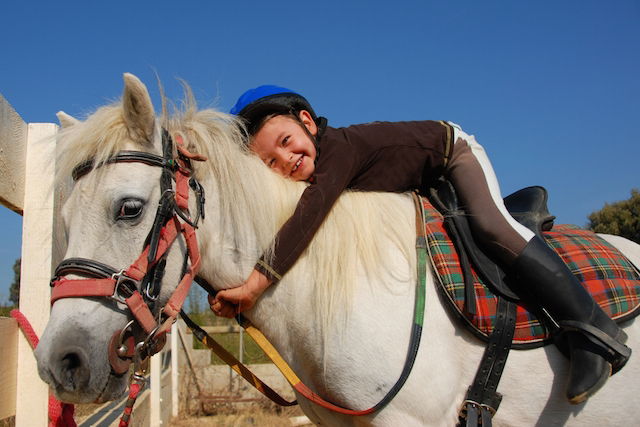
How it works
According to the American Hippotherapy Association, hippotherapy is integrated into occupational therapy, physical therapy, and speech-language pathology services as part of a structured care plan. These sessions are conducted by qualified professionals in a properly equipped setting.
The horse must be calm, gentle, and well trained to support the participant’s development and ensure the treatment’s effectiveness. Sessions generally last around 30 minutes and begin with simple interactions, such as petting or feeding the horse.
As therapy progresses, the participant may start riding and guiding the horse, always under the therapist’s supervision.
Who can benefit
Equine therapy may be recommended in the following situations:
-
Down syndrome
-
Autism spectrum disorder (ASD)
-
Muscular dystrophy
-
Stroke
-
Arthritis
-
Multiple sclerosis
-
Spinal cord injury
-
Attention-deficit/hyperactivity disorder (ADHD)
-
Post-traumatic stress disorder (PTSD)
-
Bipolar disorder, depression, and anxiety
This therapy may also be recommended in cases of trauma, after surgery, or for certain mental health conditions and genetic disorders.
Equine therapy for autism
Equine therapy may have very positive effects for autistic people, as it can support social interaction, communication, and emotional development. During sessions, a child may gradually face certain fears, enhance facial expressions, make eye contact, wave goodbye, and attempt to build connections with others present.
However, every child is unique and, according to the CDC, treatment and intervention plans for autism spectrum disorder should be tailored to each person’s specific needs. As a result, the exercises can differ from one child to another, as can the time it takes for improvements to become noticeable.
Main benefits
The main benefits of equine therapy are:
-
Development of emotional connection through contact with the horse
-
Stimulation of touch, visual, and hearing sensitivity
-
Improved posture and balance
-
Higher self-esteem and self-confidence, promoting a sense of well-being
-
Improved muscle tone
-
Improved posture
-
Development of motor coordination and movement awareness
In addition, equine therapy may help the person become more social, making it easier to integrate into groups, which is very important.