


- Epinephrine is a synthetic version of a natural hormone used as a primary emergency treatment to reverse life-threatening allergic reactions like anaphylaxis.
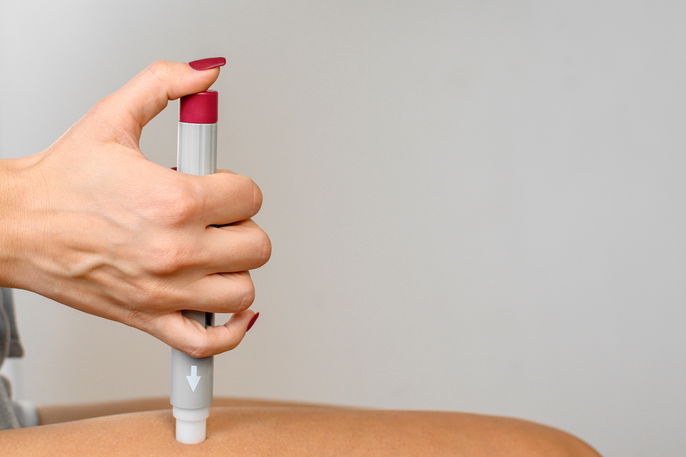
- Proper administration involves a firm intramuscular injection into the outer thigh muscle, followed by a ten-second hold and immediate emergency medical attention.
- While side effects like increased heart rate and tremors are common, the life-saving benefits of using the medication during an emergency far outweigh these temporary risks.
Epinephrine is a hormone produced by the adrenal glands that acts as a bronchodilator, vasopressor, and cardiac stimulant. It can also be manufactured synthetically for use as a critical medication in the emergency treatment of severe allergic reactions.
Commonly referred to as an epinephrine auto injector or adrenaline shot, this medication is typically prescribed to individuals at high risk for anaphylaxis. Patients are advised to keep the device with them at all times to ensure it is available for immediate use during an emergency.
Epinephrine is available at pharmacies in pre filled syringes or auto injectors containing doses of 0.1 mg, 0.15 mg, or 0.3 mg. These devices are designed for intramuscular injection and require a valid medical prescription from a healthcare provider.
What it is used for
Epinephrine is indicated for the emergency treatment of severe allergic reactions, known as anaphylaxis, which can be triggered by peanuts, certain medications, insect stings, or other allergens.
Difference between epinephrine and adrenaline
Epinephrine and adrenaline are actually the same substance; epinephrine is simply the standard medical term used in clinical and hospital settings. Both terms refer to the same hormone naturally produced by the body's adrenal glands.
How to administer epinephrine
To administer epinephrine using an auto injector, follow these steps:
-
Hold the auto injector in one hand with the trigger or activation tip pointed in the correct direction.
-
Rotate or remove the safety release or lock as indicated by the device instructions.
-
Remove the protective cap from the pen.
-
If applicable, unlock the trigger mechanism by following the specific directional cues on the device.
-
Press the tip of the pen firmly against the outer muscle of the thigh.
-
Activate the trigger until you hear or feel a click.
-
Hold the device in place for 10 seconds to ensure the full dose is delivered.
-
Remove the pen and massage the injection area for approximately 10 seconds.
After administration, the individual should lie down with their legs elevated above the level of the heart while waiting for help. It is vital to call 911 or go to the nearest emergency room immediately after use.
The standard adult dose is 0.3 mg, which is contained in a single auto injector. In some instances, one dose may not be enough to reverse the allergic reaction, and a second dose may be required using a new pen after 10 to 15 minutes if emergency services have not yet arrived.
Upon arrival at the hospital, notify medical staff that epinephrine was administered and provide them with the used device or the original packaging.
Possible side effects
Common side effects of epinephrine include heart palpitations, an increased heart rate, excessive sweating, nausea, and vomiting. Patients may also experience difficulty breathing, dizziness, weakness, pale skin, tremors, headache, nervousness, irritability, anxiety, or cold hands and feet.
Despite these potential side effects, the benefits of using epinephrine are critical, as severe allergic reactions are life threatening emergencies that require immediate intervention.
Who should not use it
Epinephrine should be used with extreme caution in individuals with hyperthyroidism, adrenal medulla tumors, or hardening of the arteries. It is also generally contraindicated for those with right ventricular enlargement, kidney failure, high intraocular pressure, narrow angle glaucoma, or an enlarged prostate.
Additionally, caution is necessary for patients with heart arrhythmias, coronary artery disease, or high blood pressure. Interactions can occur with medications like digoxin, diuretics, or antiarrhythmics, which may increase the risk of chest pain or irregular heart rhythms.
Epinephrine must only be injected into the outer muscle of the thigh; it should never be injected into the buttock or a vein. Intravenous administration outside of a controlled hospital setting can lead to a dangerous spike in blood pressure and potential cerebral hemorrhage.
If the medication is accidentally injected into the hands or feet, seek emergency medical attention immediately. Epinephrine causes blood vessels to constrict, which can significantly reduce blood flow to those specific areas