


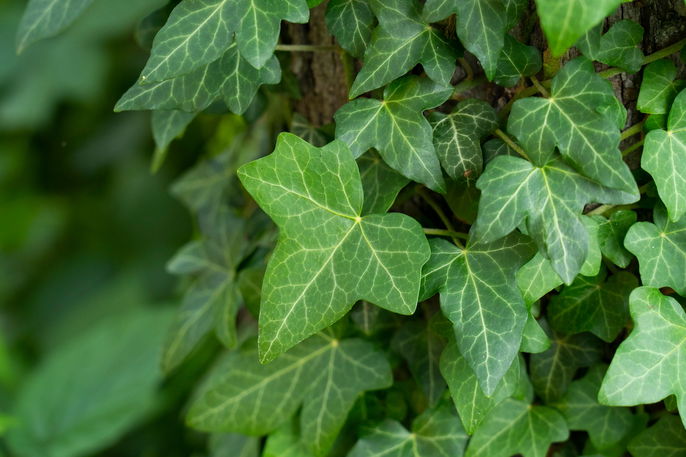
English ivy (Hedera helix) is a medicinal plant used to relieve coughs from conditions like the flu, common cold, or bronchitis, thanks to its expectorant and bronchodilator properties.
Ivy leaf, the medicinal part of the ivy plant used in remedies, is processed into a dry extract. Fresh leaves are toxic and must not be consumed directly. This extract appears in cough syrups for phlegmy coughs or in capsules, available at pharmacies or drugstores.
Before using any product containing English ivy, it is important to consult a doctor or herbal medicine professional. They can guide you on the appropriate dosage and duration based on the specific condition being treated.
Indications for use
English ivy has several properties that may help support the treatment of conditions such as bronchitis or colds. It may be used to:
1. Promote the elimination of phlegm
English ivy contains saponins, alpha-hederin, and hederogenin, which are compounds that act on inflamed bronchi, helping them expand and clear secretions, in addition to relieving cough.
In this way, ivy extract may be useful in cases of bronchitis and acute cough by reducing symptoms.
2. Help fight infections
The dry extract of English ivy contains saponins, alpha-hederin, and the acetylenes falcarinol and falcarinone, which may combat infections caused by bacteria, fungi, and parasites, including Staphylococcus aureus, Salmonella, Shigella, Escherichia coli, Pseudomonas aeruginosa, and Candida.
3. Relieve pain and inflammation
Ethanolic and purified English ivy extract has been shown to reduce inflammation due to the presence of compounds such as hederacoside C and saponins, which may help relieve symptoms such as swelling and pain.
4. Prevent liver disease
Alpha-hederin and the amides in English ivy leaves help prevent liver damage and have been shown to have a protective effect on the liver against medications like acetaminophen, which are metabolized there. This may help prevent deterioration and conditions like liver failure.
5. Help with venous insufficiency
Common ivy has saponins and alpha-hederin, which have lipolytic properties, meaning they may help prevent fat buildup in the blood and blood vessels.
In addition, English ivy helps with the absorption of other compounds, such as gotu kola (Centella asiatica), a medicinal plant that can help improve blood circulation, for example. Because of this, it may be used in cases of venous insufficiency.
Dosing instructions
All parts of fresh English ivy are toxic and, for this reason, should not be used fresh.
The use of English ivy is only recommended when it is included in ready-to-use cough syrups or capsules/tablets purchased from a pharmacy or retailer, since manufacturers prepare standardized extracts intended for oral use.
1. English ivy cough syrup (ivy leaf extract)
English ivy (Hedera helix) is commonly available in cough syrups sold as dietary supplements, made with ivy leaf dry extract. These products are used to help relieve cough with phlegm by thinning mucus to make it easier to clear, and they may also support easier breathing due to a bronchodilator effect.
The amount of English ivy per dose is typically 35 mg per 5 mL of cough syrup. These products are taken by mouth, and dosing varies by age. Typical label directions are:
-
Children 2 to 5 years: 2.5 mL, 2 times per day (daily dose: 5 mL);
-
Children 6 to 11 years: 5 mL, 2 times per day (daily dose: 10 mL);
-
Adults and children age 12 and over: 5 mL, 3 times per day (daily dose: 15 mL).
Shake the bottle before use and measure the dose using the dosing cup provided in the package.
Use only under the guidance of a primary care provider, pulmonologist, or pediatrician for the recommended duration, typically not exceeding 7-10 days.
2. English ivy tablets or capsules (ivy leaf extract)
English ivy leaf extract is also sold as dietary supplements in tablet or capsule form.
These products are taken by mouth with a glass of water, without opening, chewing, or crushing the capsule or tablet. The dose depends on the specific product label, and the duration of use should be guided by a clinician.
Side effects
The most common side effects of English ivy are nausea, vomiting, diarrhea, headache, contact dermatitis, hives, difficulty breathing, or agitation. These may occur with direct contact with the fresh plant or if ivy is accidentally consumed, causing poisoning.
Additionally, excessive dosing of English ivy can be life-threatening.
The most common side effect of English ivy syrup is diarrhea due to the presence of sorbitol in the syrup, which has a laxative effect.
Contraindications for use
English ivy is contraindicated for people who are pregnant or suspect they may be pregnant.
Avoid using products containing English ivy during breastfeeding, in children under 2 years old, if you have hyperthyroidism, or while taking any other cough medicine.