


- Emla cream contains lidocaine and prilocaine to temporarily numb the skin before certain medical and dermatologic procedures.
- The dose and application time depend on age, treatment area, and the procedure being performed.
- Using too much cream or leaving it on too long can increase absorption and cause serious side effects.
Emla cream is a topical anesthetic used to numb the skin before certain medical and dermatologic procedures. It may be recommended before injections, blood draws, catheter placement, tattoo removal, or the removal of genital warts or molluscum contagiosum.
Emla cream contains the local anesthetics lidocaine and prilocaine. When applied to the skin, these ingredients block nerve signals and help prevent or reduce pain.
Emla cream should only be used as directed by a dermatologist, primary care provider, or other healthcare professional. The recommended dose and application time depend on the person’s age, the treatment area, and the procedure being performed.
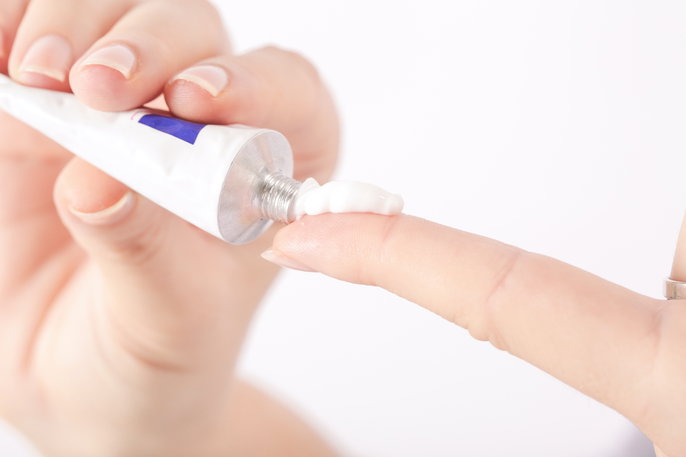
Indications for use
Emla cream may be used for:
-
Vaccine administration or blood draws
-
Removal of genital warts or molluscum contagiosum
-
Cleaning or debridement of leg ulcers
-
Catheter placement
-
Tattoo removal
This product should only be applied when recommended by a healthcare professional. It should not be used on wounds, burns, eczema, scratches, or other areas of damaged skin.
Emla cream should also be kept away from the eyes and should not be applied inside the nose, ears, or mouth. It should not be applied to the anus or to the genitals of children younger than 12 years old.
How long does the numbing effect last?
Emla cream is a local anesthetic that temporarily numbs the surface of the skin. Although it helps reduce pain, pressure or contact may still be felt during the procedure.
The duration of the numbing effect depends on how long the cream is left on the skin. According to the US Food and Drug Administration (FDA), adequate skin numbing generally develops after 1 hour, reaches its maximum after 2 to 3 hours, and may last for 1 to 2 hours after Emla cream is removed.
How to use
Emla cream should be applied to intact skin without cuts, open wounds, or inflammation. Apply the recommended amount to the treatment area and cover it with an occlusive dressing.
The maximum dose, application area, and application time for children depend on age and weight:
For adults, the recommended amount and application time depend on the procedure. For minor procedures, such as blood draws or IV catheter placement, apply 2.5 g over 20 to 25 cm² of skin and leave it in place under an occlusive dressing for at least 1 hour.
For more extensive dermatologic procedures, apply 2 g per 10 cm² of skin and leave it in place under an occlusive dressing for at least 2 hours.
For procedures involving the genital area, Emla cream should be used only under the direction of a healthcare professional. The dose and application time depend on the specific procedure. For procedures on male genital skin, the cream is typically left in place for 15 minutes.
How to apply
When applying Emla cream, follow these instructions:
- Apply a thick layer of cream to the treatment area. Do not rub it into the skin.
- Cover the cream with an occlusive dressing to keep it in place.
- Leave the cream on for the recommended amount of time based on the procedure and the instructions provided by a healthcare professional.
- Remove the dressing and wipe away the cream immediately before the procedure.
The cream should remain covered with the occlusive dressing until it is removed. Depending on the procedure, the dressing and cream may be removed by a healthcare professional or according to the instructions provided by your healthcare professional.
Possible side effects
Emla cream may cause pale or white skin, redness, swelling, burning, itching, or warmth at the application site. Less commonly, Emla cream may cause tingling at the application site, allergic reactions, fever, difficulty breathing, or fainting.
According to the FDA, applying Emla cream over a larger area or leaving it on longer than recommended can increase the absorption of lidocaine and prilocaine and lead to serious adverse effects. These effects may include seizures or cardiorespiratory arrest.
Seek immediate medical care if symptoms such as difficulty breathing, fainting, bluish or gray skin, confusion, severe dizziness, or seizures occur.
Contraindications for use
Emla cream should not be used by people who are allergic to lidocaine, prilocaine, similar amide-type local anesthetics, or any other ingredient in the cream.
It should also be used with caution in people with glucose-6-phosphate dehydrogenase deficiency, also known as G6PD deficiency, methemoglobinemia, or atopic dermatitis.
People taking antiarrhythmic medications, phenytoin, phenobarbital, other local anesthetics, cimetidine, or beta-blockers should talk to a healthcare professional before using Emla cream.
Emla cream should not be used on the genital mucosa of children because its safety and effectiveness have not been established. It should also not be used in premature newborns.
During pregnancy or while breastfeeding, Emla cream should only be used if recommended by a healthcare professional after considering the potential benefits and risks.
