


Ectomorph is a body type that is usually tall, slim, and lean, with narrow shoulders and a low percentage of muscle mass. This body type is also linked to a fast metabolism, which makes weight gain more challenging.
Because of these traits, an ectomorph often struggles to build muscle despite losing weight easily. Nutrition and lifestyle strategies, such as increasing calorie and protein intake, play an important role in supporting healthy muscle growth.
A structured meal plan, proper hydration, and regular exercise can help an ectomorph achieve their goals. Understanding recommended foods, supplements, and what to avoid is essential for building strength and maintaining overall health. Learn more about other common body types and how they differ from an ectomorph.
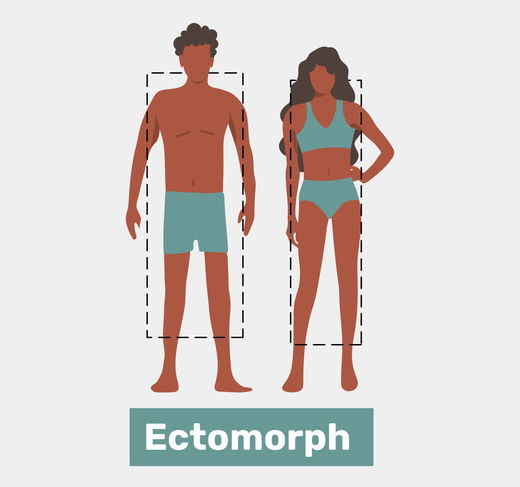
Body type characteristics
People with an ectomorph body type generally have the following physical characteristics:
- Leaner body
- Slightly taller than average
- Lower body fat percentage
- Women will typically have narrower hips and smaller breasts
People with an ectomorph body type usually have a faster metabolism, and therefore lose weight easily. However, they have more difficulty with putting on muscle. Learn more about the different body types to see how they differ from each other.
Nutrition guide
Ectomorph body types should consume about 1.6 g of protein for every kilogram (or for every 2.2 lb) of body weight. To put on muscle, they should consume 300 to 500 additional calories per day. See the different high protein foods you can incorporate into your daily diet.
In order to increase calorie and protein intake, you should eat 6 meals per day with a maximum of 3 hours between each meal. Ensure you are eating a balanced diet with healthy fats (like olive oil and chestnuts), lean proteins (like fish, tofu or chicken), fruits and vegetables (like cassava or sweet potatoes), and whole grains (like whole wheat rices and pastas).
Check out other tips for gaining weight and muscle mass.
Sample meal plan
The following table shows a sample 3-day diet plan for people with an ectomorph body type:
This plan is merely an example. The quantities of food presented can vary depending on gender, age, weight and individual health status. Therefore, it is best to consult a registered dietitian to develop a diet plan that is personalized to you and your goals.
It's important to note that factors like healthy sleep habits, regular physical activity and adequate hydration (e.g. 1.5L or about 6 cups of water per day) also play a role in gaining muscle.
Supplements for gaining muscle mass
Some supplements like whey protein, BCAA or casein help with putting on muscle, and therefore can be indicated for people with an ectomorph body type. Understand the different types of supplements for muscle growth available.
However, high supplement intake can cause kidney injury, and therefore supplement use should only be directed by a nutritionist or dietitian.
Foods that ectomorphs should avoid
To gain muscle mass in a healthy way, people with an ectomorph body type should avoid eating food that could delay their health goals. These foods include:
- Foods with high sugar content, like candy, ice cream, cookies or cake
- Processed foods, like ready-made sauces, fast food, or instant noodles
- Refined grains, like white bread, white pasta or white rice
- Foods with high fat content, like fried fat content, pizza, chips, bacon or salami
- Cured meat and sausages, like salami, hot dogs, sausages, bacon, prosciutto or mortadella
It is important to avoid consumption of alcoholic drinks (like beer or wine) as alcohol is high in calories and will lead to fat gain. Alcohol can also decrease circulating testosterone levels, a hormone that is important for muscle gain. High carb foods should also be eaten in moderation.
Learn more about the mesomorph body type and endomorph body type, and how they differ from an ectomorph.
Exercise guide
While people with an ectomorph body type can follow general exercise recommendations, certain strategies can help them build muscle more effectively and avoid burning too many calories. Following a structured and consistent routine that focuses on strength and recovery is key to achieving results.
Resistance training focus
Ectomorphs benefit most from resistance training that emphasizes compound movements, such as squats, deadlifts, bench presses, rows, and overhead presses. These exercises work several muscle groups at once, promoting overall strength and efficient muscle growth. Training 3 to 4 times per week and targeting each major muscle group at least twice weekly can maximize results. Each session should last between 45 and 90 minutes, allowing for sufficient intensity without overtraining.
Cardio and warm-up recommendations
While cardiovascular exercise is beneficial for heart and lung health, ectomorphs should limit it to short sessions, around 10 to 15 minutes, 2 to 3 times per week. This helps maintain endurance without compromising muscle gain. Before resistance training, performing 5 to 10 minutes of dynamic warm-up exercises can increase flexibility, improve performance, and reduce the risk of injury.
Recovery and rest
Rest and recovery are especially important for ectomorphs to allow proper muscle repair. It is best to leave 48 to 72 hours between sessions that train the same muscle groups. Getting enough sleep and staying well hydrated also help optimize recovery and muscle growth. Qualified supervision from a fitness professional can ensure proper technique and reduce the risk of injury during training.