


A dust mite is a tiny arthropod that is closely related to spiders. It is commonly found in homes, particularly in mattresses, pillows, and cushions. Dust mites are one of the primary causes of respiratory allergies.
Although dust mites are a major cause of respiratory issues, other species, like Sarcoptes scabiei, are responsible for conditions such as scabies.
Dust mites can cause symptoms such as a runny nose, frequent sneezing, and itchy, red skin patches. If you experience these symptoms, it is important to consult a healthcare provider, especially if they become bothersome.
Symptoms of a dust mite allergy
The primary symptoms associated with dust mites include:
-
Frequent sneezing;
-
Runny or blocked nose;
-
Watery eyes;
-
Coughing;
-
Pressure or discomfort in the face.
In addition to respiratory symptoms, dust mites can also cause skin reactions, such as swelling, redness, peeling, small bumps, and itching.
Health conditions triggered by dust mites
Dust mites are responsible for several health conditions, including:
1. Allergic rhinitis
Allergic rhinitis is caused by an overreaction of the immune system to dust mites' droppings and body fragments found in dust.
These particles cause inflammation and irritation in the nasal passages, leading to symptoms such as nasal and eye itching, watery eyes, nasal congestion, and frequent sneezing.
Dust mites thrive in warm, humid environments and feed on dead skin cells, which is why they are often found in mattresses, pillows, cushions, and carpets.
Treatment: Allergic rhinitis is usually treated by a primary care provider or an allergist, typically with antihistamines to alleviate symptoms.
Also recommended: 5 Allergic Rhinitis Medications Your Doctor Can Prescribe tuasaude.com/en/allergic-rhinitis-medications2. Asthma attacks
Dust mites can also trigger an asthma attack by narrowing the airways, causing symptoms like severe shortness of breath, coughing, and wheezing.
This condition, known as bronchial asthma or asthmatic bronchitis, often begins in childhood and is influenced by both genetic factors and environmental conditions.
Treatment: Treatment is typically managed by a primary care provider or pulmonologist and involves bronchodilators and corticosteroids to relieve symptoms.
Read more about asthma medications.
3. Atopic dermatitis
Atopic dermatitis, or eczema, is a skin condition that can be triggered by dust mite exposure.
Symptoms include dry skin, red patches, itching, and blisters.
Treatment: Dermatologists treat atopic dermatitis with anti-inflammatory medications, either topical ointments or oral pills, along with moisturizers.
4. Scabies
Scabies is caused by the Sarcoptes scabiei mite, which is transmitted through direct skin contact or contaminated clothing.
Symptoms include intense itching, which worsens at night, red blisters, swelling, and white lines that typically appear in skin folds.
Treatment: Dermatologists treat scabies with medications like permethrin cream or lotion, or oral ivermectin in more severe cases.
5. Trombiculosis
Trombiculosis, also called trombiculiasis, is caused by bites from Trombiculidae mite larvae. It is more common in people working in harvest fields.
These mites usually live in vegetation, wooded areas, and damp soil near water, causing allergic skin reactions where the larvae bite.
Symptoms include redness, intense itching, or blisters that may appear in clusters or in a linear pattern.
Treatment: Treatment involves applying antihistamine creams to relieve symptoms. Dermatologists may also recommend permethrin creams or lotions to eliminate the mites.
6. Scrub typhus
Scrub typhus is caused by Orientia tsutsugamushi, a bacterium transmitted by the bite of Trombiculidae mite larvae.
Symptoms include headache, high fever, muscle aches, loss of appetite, and malaise, followed by red rashes that spread from the torso to other body parts, along with ulceration at the bite site.
Treatment: Dermatologists treat scrub typhus with antibiotics like doxycycline or azithromycin, along with pain relievers and fever reducers to ease symptoms.
7. Demodicosis
Demodicosis is a skin infection caused by Demodex folliculorum or Demodex brevis mites, which normally live near hair follicles or sebaceous glands.
While these mites usually do not cause health issues, they can proliferate in some cases, leading to redness and itching of the skin.
These mites can also cause eyelid inflammation, known as blepharitis, which is why they are also called eyelash mites.
Treatment: Treatment typically involves medications like permethrin, metronidazole, or benzyl benzoate prescribed by dermatologists.
For blepharitis, ophthalmologists may recommend eyelid cleaning, warm compresses, or antibiotic eye drops in case of bacterial infection.
Where are dust mites found?
Dust mites and the diseases they transmit can be found in various environments, including:
-
Warm, humid places such as pillows, bedding, mattresses, and cushions;
-
Vegetation, wooded areas, and damp soil;
-
Areas near hair follicles or sebaceous glands on humans.
Identifying where dust mites are present is essential for taking control measures to prevent diseases caused by them.
Prevention and elimination
The most effective way to prevent and eliminate dust mites is by reducing their proliferation. The key steps include:
1. Keep your home clean
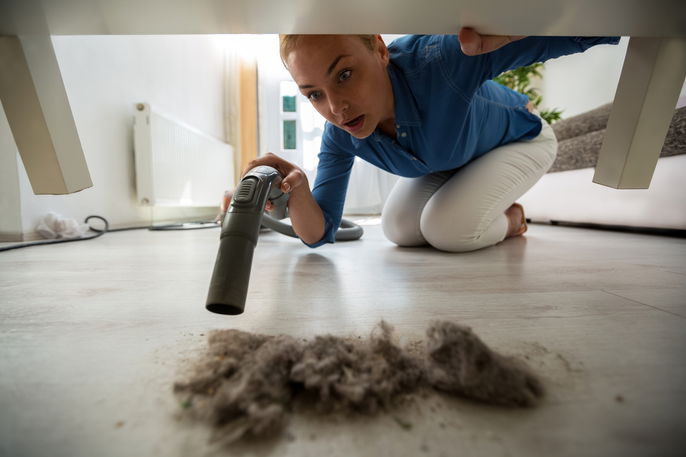
Maintaining a clean home free from dust is one of the best ways to eliminate dust mites and prevent conditions like allergic rhinitis or asthma attacks.
It is recommended to clean your home daily with water and a damp cloth, avoiding air fresheners and cleaning products with strong odors.
2. Ventilate your home
Proper ventilation helps eliminate dust mites and prevent respiratory issues.
Whenever possible, open the windows, and use screens to prevent mosquitoes from entering the house, which can transmit diseases.
3. Remove cushions and carpets
Removing cushions, carpets, rugs, stuffed animals, and infrequently used clothing helps to reduce dust accumulation and mite growth.
If removal is not an option, clean these items regularly with a steam vacuum cleaner, as regular vacuuming is not enough to remove mites.
4. Wash bedding regularly
Wash your sheets, blankets, pillowcases, and mattress covers at least once a week.
Use sufficient detergent and run a long wash cycle with hot water (around 60°C or 140°F), but avoid overloading the washing machine.
5. Use protective covers on pillows
Using pillow and mattress protectors is an easy way to eliminate dust mites. These protectors are simple to remove and wash regularly.
6. Avoid objects that collect dust
Minimize dust-collecting items like plants, books, and excessive decorations on furniture. Opt for blinds over fabric curtains and wash curtains regularly.
7. Sun-dry pillows and cushions
Expose pillows, cushions, and mattresses to the sun to reduce humidity and create an unfavorable environment for dust mites, though this alone won’t eliminate them.
8. Clean air conditioner filters
Pay attention to the air conditioner’s filter and dust accumulation in the fan. Regularly replace filters and clean them, and manage humidity levels in the home.
9. Trim vegetation
Trim vegetation to help prevent diseases like trombiculosis or scrub typhus. Wear protective clothing, such as long pants, long-sleeved shirts, boots, and apply repellent when entering wooded areas.
10. Disinfect surfaces
Disinfect shared surfaces, such as gym equipment and mats, to prevent scabies. Use alcohol-based sanitizers or disinfectants on surfaces that may have come into contact with infected individuals.
11. Keep your skin clean
To prevent the proliferation of skin mites like Demodex folliculorum or Demodex brevis, wash your face at least twice a day with water and mild soap to remove excess oil. Weekly exfoliation can also help remove dead skin cells.