


Diverticulitis treatment may involve a liquid and easily digestible diet, along with antibiotics to reduce inflammation and control infection. In many cases, this type of treatment can be managed at home.
In more severe cases, diverticulitis treatment is done in the hospital with intravenous antibiotics. If complications such as an abscess, fistula, or intestinal obstruction occur, surgery may be necessary to remove the affected part of the intestine.
Additionally, some natural remedies, such as chamomile tea, valerian tea, and aloe vera juice, may help relieve symptoms and support intestinal recovery. However, they should never replace the treatment prescribed by a doctor.
1. Medications
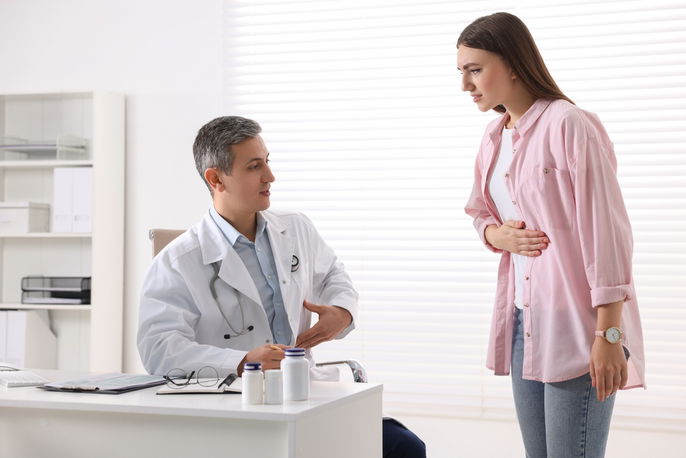
Medication for diverticulitis should always be prescribed by a gastroenterologist and depends on the severity of the condition.
For mild diverticulitis, a doctor may prescribe oral antibiotics for 7 to 10 days to control intestinal bacterial infection, most commonly a combination of ciprofloxacin and metronidazole.
Pain relievers such as acetaminophen can be used to ease abdominal pain, while anti-nausea medications like metoclopramide may be recommended if nausea or vomiting occurs. Nonsteroidal anti-inflammatory drugs (NSAIDs), such as ibuprofen or naproxen, are generally not recommended for diverticulitis treatment because they may increase the risk of bleeding or recurrence.
In cases of severe or complicated diverticulitis, treatment is usually carried out in the hospital. In these cases, antibiotics are given intravenously and may include combinations such as ceftriaxone and metronidazole, along with intravenous pain medication.
2. Surgery
Surgery to remove part of the colon due to diverticulitis is indicated in the following situations:
-
Acute complicated diverticulitis, when there are abscesses, fistulas, severe bleeding, perforation, or intestinal obstruction
-
Recurrent diverticulitis, meaning the condition happens more than once in the same person
-
Diverticulitis in people with weakened immune systems, such as transplant recipients, those with HIV, or chronic kidney disease, since repeated infections can pose serious health risks
Surgery may also be needed when antibiotic treatment and hospital care fail to control the condition, and symptoms like abdominal pain or discomfort persist.
Diverticulitis surgery involves removing the portion of the intestine affected by inflammation or complications. It can often be performed laparoscopically, through small abdominal incisions, which allows for faster recovery and a shorter hospital stay.
3. Diet
The diet for diverticulitis should be guided by a nutritionist. In the first few days, fasting or a clear liquid diet may be recommended to reduce initial inflammation and allow the intestine to rest.
During this time, it’s best to drink water, clear teas, strained fruit juices (such as apple or pear), and strained broths made from vegetables or lean meats.
As symptoms improve, the diet can gradually include easily digestible foods. After recovery, it’s important to follow a diet that promotes healthy bowel function, rich in whole grains, fruits, vegetables, and legumes.
In addition, increasing the intake of probiotic foods such as natural yogurt, kefir, and kombucha may be advised to help strengthen gut microbiota and reduce inflammation.
A proper diet not only supports recovery during an acute episode but also helps prevent the formation of new diverticula and lowers the risk of future inflammation.
4. Lifestyle changes
Lifestyle changes are an important part of diverticulitis treatment and play a key role in long-term management and prevention of flare-ups. Adopting healthy daily habits supports digestion, promotes intestinal healing, and helps reduce inflammation and the risk of recurrence.
Some recommended lifestyle measures include:
-
Eating a high-fiber diet over the long term, including whole grains, fruits, and vegetables, to maintain regular bowel movements and decrease intestinal pressure
-
Drinking plenty of water throughout the day to help fiber move effectively through the digestive system
-
Exercising regularly to promote normal bowel function and reduce constipation
-
Avoiding smoking and maintaining a healthy body weight, as both smoking and obesity are associated with a higher risk of recurrent diverticulitis
These lifestyle habits complement medical, dietary, and surgical treatments, helping improve recovery and reduce the likelihood of future episodes.
Also recommended: Ideal Body Weight Calculator (According to Height & Age) tuasaude.com/en/ideal-weight5. Natural remedies
Home remedies for diverticulitis can help prevent flare-ups by promoting intestinal wall healing and reducing the risk of inflammation.
Some natural options include chamomile tea, valerian tea, cat’s claw tea, green tea, and aloe vera juice. These are rich in antioxidants and anti-inflammatory compounds that support intestinal recovery.
While home remedies should never replace prescribed medications, they can complement medical treatment and help prevent future flare-ups.