


The digestive system, also known as the gastrointestinal system, is one of the body’s major systems. It processes food and absorbs nutrients that the body needs to function properly.
The digestive system organs include the mouth, esophagus, stomach, and intestines. These organs work with the liver, gallbladder, and pancreas to digest fats, carbohydrates, and proteins so the body can use their nutrients.
Changes in digestive function, such as excessive gas, heartburn, abdominal bloating, constipation, or diarrhea, should be discussed with a gastroenterologist. The doctor can identify the cause and recommend appropriate treatment.
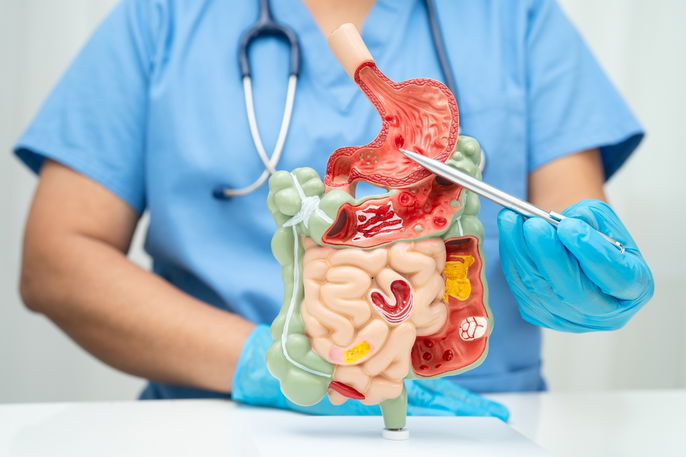
Digestive system organs
The digestive system is made up of organs that move food through the body and absorb essential nutrients. These organs include:
1. Mouth
Digestion begins in the mouth, where food is prepared for the next stages of the digestive process. Chewing breaks food into smaller pieces, while the tongue mixes it with saliva and forms a food bolus that can move into the esophagus.
Carbohydrate digestion also begins in the mouth. Salivary amylase, also called ptyalin, is an enzyme in saliva that starts breaking starch down into smaller molecules.
The mouth also contributes to the sensory experience of eating. Taste, smell, and texture help trigger the production of digestive secretions needed later in the digestive process.
2. Esophagus
The esophagus is a muscular tube that carries food from the mouth to the stomach. Coordinated muscle contractions called peristalsis move the food bolus downward in a controlled way.
Very little digestion takes place in the esophagus. However, its muscle activity is essential for moving food in the correct direction and helping prevent it from flowing back upward.
3. Stomach
In the stomach, food is thoroughly mixed with gastric juice, which contains hydrochloric acid and digestive enzymes.
When food enters the stomach, pepsin is released in an inactive form called pepsinogen. Hydrochloric acid then converts pepsinogen into pepsin.
Pepsin plays an important role in protein digestion by breaking proteins into smaller components.
The stomach also produces a smaller amount of lipase, an enzyme that begins the digestion of fats.
Gastric secretions also help make vitamin B12, calcium, iron, and zinc more available for absorption in the intestines.
In the stomach’s acidic environment, food is turned into chyme, a semiliquid mixture. The stomach gradually releases chyme into the small intestine so digestion can continue properly.
Liquid meals usually leave the stomach within about 1 to 2 hours. Solid meals generally take about 2 to 3 hours, although the exact time depends on the amount and type of food consumed.
4. Small intestine
The small intestine is the main organ involved in digestion and nutrient absorption. It is divided into three sections:
-
Duodenum: receives chyme from the stomach and mixes it with bile and pancreatic enzymes, completing the digestion of fats, proteins, and carbohydrates;
-
Jejunum: carries out most nutrient, vitamin, and mineral absorption through its large surface area, which is formed by villi and microvilli;
-
Ileum: absorbs the remaining nutrients, especially vitamin B12, bile salts, and some water, before sending the contents, now called chyle, to the large intestine.
Nearly all macronutrients are absorbed in the small intestine before the remaining material reaches the large intestine. This process depends on enzymes produced by the small intestine and pancreas, as well as bile released with the help of the gallbladder.
Proteins and carbohydrates are digested by intestinal enzymes such as peptidases and disaccharidases. These enzymes break peptides into amino acids and disaccharides into monosaccharides, allowing them to be absorbed.
The pancreas also produces trypsin and chymotrypsin, which continue protein digestion. It also produces pancreatic amylase, which helps break down carbohydrates, and releases these enzymes into the duodenum.
Fats are emulsified by bile, which is produced by the liver, and then digested by pancreatic lipase. This allows fatty acids and monoglycerides to be absorbed efficiently.
5. Large intestine
The large intestine mainly absorbs the remaining water and electrolytes from undigested material. It also concentrates and forms stool and is divided into:
-
Cecum: the first section of the large intestine, which receives chyle from the ileum and connects to the appendix; it plays a limited role in absorbing water and salts;
-
Colon: divided into the ascending, transverse, descending, and sigmoid colon; it performs most of the remaining water and electrolyte absorption and contains the gut microbiota, which ferments waste and produces certain vitamins;
-
Rectum: temporarily stores stool before it is eliminated;
-
Anal canal and anus: control the release of stool through voluntary and involuntary sphincters.
Remaining fiber, resistant starches, sugars, and amino acids are fermented in the colon. This process produces short-chain fatty acids and gases.
These fatty acids help support the intestinal lining, provide a small amount of energy, and promote the absorption of water and salts.
The gut microbiota in the large intestine also plays an important role in fermenting these substances and producing certain vitamins.
The total digestive process, from eating to elimination, depends on the amount and characteristics of the food. On average, it may take up to 12 hours per meal.
6. Accessory organs
Accessory digestive organs are not part of the main digestive tract, but they play essential roles in digestion. These organs include:
-
Liver: produces bile, which helps emulsify fats. It also helps process and store absorbed nutrients;
-
Gallbladder: stores and concentrates bile made by the liver and releases it into the duodenum when high-fat foods enter the intestine;
-
Pancreas: produces digestive enzymes, including trypsin, chymotrypsin, pancreatic amylase, and lipase. It also produces bicarbonate, which neutralizes the acidity of chyme from the stomach and creates a suitable environment for chemical digestion in the duodenum.
These organs work with the small intestine to help ensure that proteins, carbohydrates, and fats are fully digested and absorbed. They also help maintain the body’s nutrient balance.
Function of the digestive system
The digestive system performs several essential functions. It breaks down proteins, carbohydrates, and fats into forms that can be absorbed by the body.
It also absorbs nutrients and fluids, including vitamins, minerals, water, and other essential micronutrients.
The digestive system helps protect the body by acting as both a physical and immune barrier. It limits exposure to microorganisms, foreign substances, and antigens that may enter the body with food.
Through these functions, the digestive system helps regulate metabolism and supports the immune system, contributing to proper body function.
Many nutrients cannot be absorbed in their original form because they are too large or not soluble enough. The digestive system breaks them down into smaller, soluble particles that the body can use.
Possible digestive system diseases
The digestive system can be affected by conditions ranging from mild disorders to more serious diseases. Some of the most common include:
1. Gastritis
Gastritis is inflammation of the stomach lining. It may be caused by infections, medication use, or excess stomach acid.
Common symptoms of gastritis include stomach pain or burning, nausea, and a feeling of fullness or discomfort.
2. Gastroesophageal reflux disease
Gastroesophageal reflux occurs when stomach contents move back into the esophagus and irritate its lining. It can cause heartburn, chest pain or burning, a bitter taste in the mouth, coughing, or difficulty swallowing.
3. Ulcer
Ulcers are open sores that develop in the stomach or duodenum. They are commonly caused by the effects of stomach acid or infection with Helicobacter pylori.
Ulcers may cause abdominal pain, burning, nausea, and, in severe cases, gastrointestinal bleeding.
4. Constipation
Constipation involves infrequent bowel movements or difficulty passing stool. It may cause abdominal discomfort, bloating, and excessive straining.
Diet, hydration, and physical activity can all influence constipation.
5. Inflammatory bowel disease
Inflammatory bowel disease includes Crohn’s disease and ulcerative colitis. These conditions cause chronic inflammation in the digestive tract.
Symptoms may include frequent diarrhea, abdominal pain, weight loss, and difficulty absorbing nutrients.
Also recommended: Ulcerative Colitis Diet: Food to Eat & Avoid, Meal Plan & Supplements tuasaude.com/en/ulcerative-colitis-diet6. Irritable bowel syndrome
Irritable bowel syndrome affects how the intestines function. It may cause symptoms like abdominal pain, bloating, diarrhea, constipation, or alternating episodes of both.
It is a chronic condition that is often associated with dietary factors, stress, and intestinal sensitivity.
What can interfere with digestion
Several factors can affect digestion and the body’s ability to absorb nutrients. These include:
-
Amount and composition of food: digestion may be faster or slower depending on the type and amount of food consumed, which can also affect feelings of fullness;
-
Appearance, smell, and taste: these sensory cues stimulate saliva and gastric juice production and encourage digestive muscle activity, making digestion easier;
-
Emotions and psychological state: fear, anxiety, and stress may reduce gastric juice production and slow intestinal peristalsis, which can interfere with digestion;
-
Gut microbiota: medications such as antibiotics and changes in stomach acid production may disrupt the balance of intestinal microorganisms. This imbalance, known as intestinal dysbiosis, may contribute to poor digestion, reduced nutrient absorption, increased inflammation, bloating, gas, and diarrhea;
-
Food preparation: the way food is prepared can affect how quickly it is digested. Cooked foods, for example, are generally digested more quickly than raw foods;
-
Hydration and fluid intake: drinking excessive amounts of fluid during meals may temporarily dilute gastric juices and slow digestion, especially the digestion of proteins and fats.
Gastrointestinal symptoms such as excessive gas, heartburn, abdominal bloating, constipation, or diarrhea should be evaluated by a gastroenterologist. A medical assessment can help identify the underlying cause.