


A diamond glow facial, also called diamond peel or microdermabrasion, is a cosmetic exfoliation treatment that removes dead skin cells from the most superficial layer of the skin. The procedure aims to improve skin texture, tone, and overall appearance in a controlled and gentle way.
This treatment is commonly used to soften dark spots, reduce the appearance of wrinkles, minimize enlarged pores, and improve the look of white or red stretch marks. Because it is superficial and non-invasive, it is generally well tolerated by different skin types.
Although it is most often performed on the face, the diamond glow facial can also be used on other areas of the body, such as the neck, chest, and hands. When performed by a dermatologist, it can be safely repeated at regular intervals to maintain results.
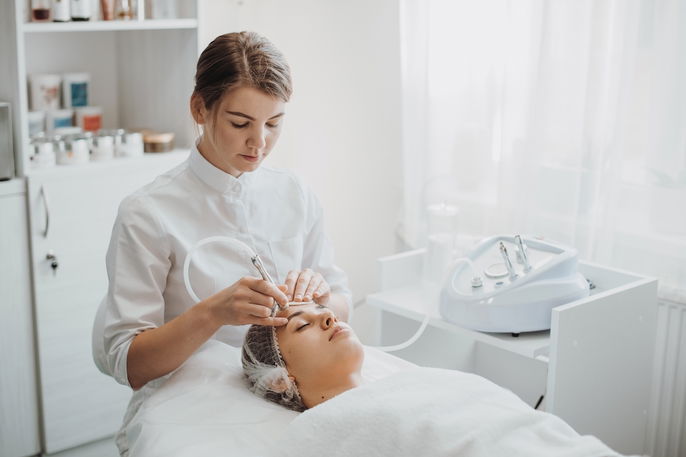
What it is
The diamond glow facial is a non-invasive, painless procedure that causes mild and temporary skin flaking. It works through mechanical exfoliation and should be performed by a dermatologist, typically at intervals of about every 30 days.
What it does
The diamond glow facial is indicated to:
-
Remove dark spots located in the most superficial layer of the skin;
-
Treat acne scars;
-
Reduce enlarged pores;
-
Soften wrinkles and expression lines;
-
Reduce the appearance of stretch marks;
-
Stimulate collagen production.
In addition, this treatment can help reduce excess oiliness, especially in oily or acne-prone skin.
What to expect
By removing aged skin cells, the diamond glow facial stimulates renewal of the outermost skin layer and improves hydration. Many people notice smoother texture and increased brightness immediately after the first session.
When to do the treatment
The Diamond Glow facial is a superficial peel that can be done year-round. However, many people prefer to schedule it during the cooler months, such as fall or winter, when sun exposure is typically lower.
This treatment may be done on its own or as part of a deep facial cleansing routine, replacing manual exfoliation with cosmetic products. It is especially useful for oily or acne-prone skin.
How to prepare
Before undergoing a diamond glow facial, it is recommended to avoid sun exposure and other aesthetic procedures, such as chemical peels or dermal fillers. This helps reduce the risk of skin injury and permanent scarring.
Diamond glow facial vs chemical peel
The diamond glow facial uses a pen-like device to perform physical exfoliation of the most superficial skin layer.
A chemical peel uses chemical agents such as trichloroacetic acid, salicylic acid, or glycolic acid. Depending on the treatment goal, chemical peels may be superficial, medium, or deep.
Procedure steps
The diamond glow facial is performed by a dermatologist using a device with a diamond-tipped abrasive surface. At the same time that dead skin cells are removed, the device suctions impurities from the outermost skin layer.
The procedure generally follows these steps:
-
Cleansing the skin area to be treated;
-
Covering the eyes with sterile gauze when performed on the face;
-
Gliding the device slowly over the skin, with 2 to 3 passes on the same area;
-
Removing residual particles and impurities with a towel;
-
Applying a moisturizer to the treated area.
This process improves local blood circulation and enhances absorption of active ingredients in serums and creams, such as vitamin C or hyaluronic acid.
Number of sessions
The number of sessions varies according to skin condition and treatment goals. In most cases, 2 to 5 sessions or more may be needed to achieve the desired results.
Sessions typically last between 15 and 30 minutes, depending on the area treated. The recommended interval between sessions is about 30 days, and the procedure should always be performed by a dermatologist.
Aftercare tips
After a diamond glow facial, it is recommended to:
-
Wash the face with a mild, fragrance-free cleanser;
-
Avoid sun exposure;
-
Avoid exfoliating products;
-
Avoid touching, rubbing, or picking the skin;
-
Avoid physical activity for at least 48 hours, as sweat may irritate the skin.
To support skin recovery, a dermatologist may recommend hydrating masks containing vitamin C, vitamin E, or hyaluronic acid. These help prevent irritation, reduce the risk of dark spots, and promote skin regeneration.
According to the American Academy of Dermatology, patients should use sunscreen daily with at least SPF 30 to protect the newly exfoliated skin and prevent post-inflammatory hyperpigmentation.
When to avoid
The diamond glow facial should not be performed on very sensitive or inflamed skin, in cases of moderate to severe acne (grades II, III, or IV), rosacea, or impetigo.
It is also not recommended for people with diabetes, active herpes infections, or certain skin conditions such as keloids or warts. A dermatology consultation is recommended before undergoing the procedure.