


Dermatosis is a general term for skin conditions. Depending on the type of dermatosis, symptoms may include blisters, itching, inflammation, peeling, and scaling.
A dermatologist is the most appropriate specialist to diagnose and treat dermatoses. They can identify the cause by examining the skin and reviewing the person’s medical history.
An allergist-immunologist may also be consulted in some cases. Specific tests are usually not needed, and treatment often includes oral or topical medications.
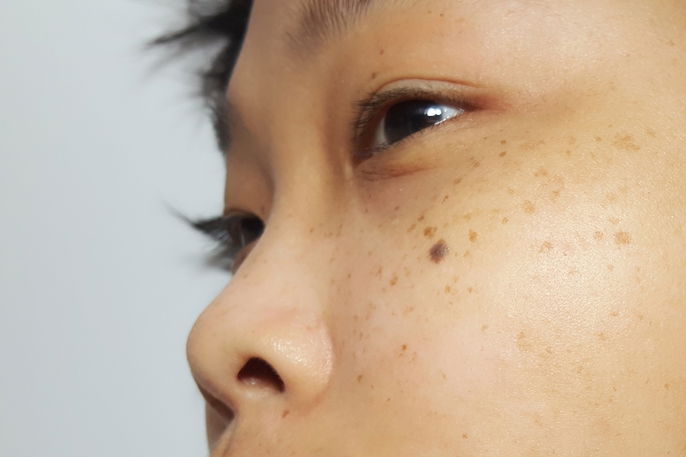
Skin condition
The main types of dermatoses are:
1. Dermatosis papulosa nigra
Dermatosis papulosa nigra is characterized by small dark brown or black spots, mainly on the face and neck. These spots do not usually cause pain or other symptoms.
These spots can appear in anyone, but they are more common in Black people.
Treatment options: Cosmetic treatments may be used, such as chemical cautery, cryosurgery with liquid nitrogen, or electrocautery.
2. Occupational dermatosis
Occupational dermatosis is caused by direct or indirect exposure to substances or conditions in the workplace. Triggers may include heat, cold, radiation, vibration, lasers, microwaves, or electricity.
Examples of occupational dermatoses include burns, allergies, wounds, ulcers, Raynaud's syndrome, and contact dermatitis caused by exposure to cement.
Treatment options: Treatment depends on the type of skin lesion and should be recommended by a dermatologist. According to the CDC’s National Institute for Occupational Safety and Health, eliminating exposure to the substance causing the skin condition is the most effective control method.
3. Ashy dermatosis
Ashy dermatosis is a skin condition with no known cause. It does not appear to be influenced by climate, race, diet, or work-related factors.
It is characterized by grayish skin lesions with a thin, reddish border that may sometimes be slightly raised.
The lesions often appear suddenly in outbreaks, without warning signs, and may sometimes be itchy. This type of dermatosis usually leaves permanent spots on the skin.
Treatment options: According to the American Osteopathic College of Dermatology, there is no consistently effective treatment for ashy dermatosis. Topical corticosteroids, chemical peels, ultraviolet light therapy, or laser treatments may help improve the appearance of the skin in some people, although results vary.
4. Bullous dermatosis
In bullous dermatosis, superficial blisters form on the skin and break easily. This leaves the affected area with thin scaling and crusting.
Treatment options: Treatment may include medications such as prednisone. Immunosuppressants, such as azathioprine or cyclophosphamide, may also be needed.
5. Juvenile plantar dermatosis
Juvenile plantar dermatosis is a skin condition that usually appears on the soles of the feet, especially the heels and big toes. It is characterized by redness, thickening of the outer layer of skin due to keratin buildup, and cracked skin with a shiny appearance.
Symptoms of juvenile plantar dermatosis tend to worsen in the winter. Deep cracks may cause pain and occasional bleeding.
The main causes are wearing damp shoes and socks or having too much contact with water.
How treatment is done: A doctor may prescribe a corticosteroid cream, such as betamethasone valerate, along with a moisturizing lotion to keep the skin properly hydrated.
Dermatosis vs dermatitis
Dermatitis and dermatosis are both terms used to describe skin conditions. The main difference is that dermatitis specifically refers to inflammation of the skin, while dermatosis is a broader term that includes many different skin disorders, both inflammatory and non-inflammatory.
