


- Sadness, irritability, or loss of interest lasting 2 weeks or more may signal depression in children.
- Headaches, stomachaches, sleep changes, or school problems can also be warning signs.
- Risky behavior, self-harm, or suicidal thoughts need urgent evaluation.
Depression in children is a psychological condition that can be recognized through signs such as persistent sadness, loss of interest in play, avoiding friends, headaches or stomachaches, and irritability. These symptoms can affect how a child behaves, feels, and interacts with others on a daily basis.
Childhood depression is diagnosed when a child shows at least five symptoms, including a depressed mood or loss of interest or pleasure, lasting for at least two weeks. These symptoms must not be caused by another medical condition.
If depression is suspected, it is important to consult a mental health professional who specializes in children and adolescents, or a pediatrician. A proper evaluation helps confirm the diagnosis and determine the most appropriate treatment.
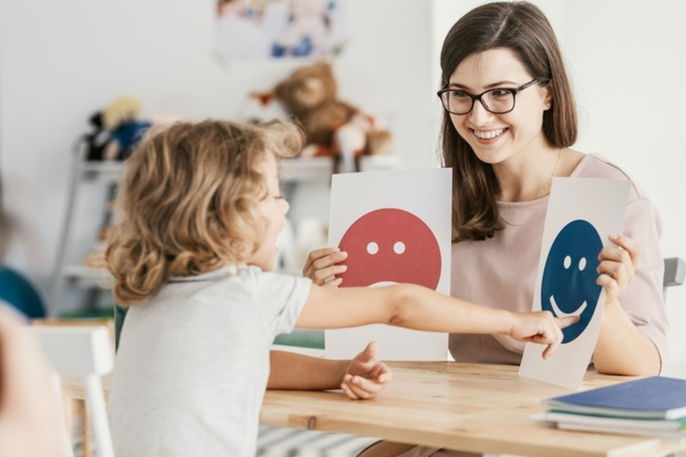
Main symptoms
Symptoms of depression in children can vary depending on age. The most common signs include:
Children aged 2 to 5 years
The main symptoms of depression in children aged 2 to 5 years include:
-
Irritability, frequent tantrums, or excessive crying
-
Loss of interest in playing, even with activities they previously enjoyed
-
Excessive attachment to parents or fear of separation
-
Changes in appetite and weight
-
Difficulty sleeping
Children may also have frequent headaches or stomachaches without a clear medical cause.
Other signs include regression in behavior, such as returning to thumb sucking or bedwetting.
Children aged 6 to 12 years
In children aged 6 to 12 years, the main symptoms include:
-
Declining school performance
-
Loss of interest in spending time with friends
-
Bedwetting
-
Persistent sadness
-
Feelings of boredom or being unloved
Other symptoms may include feelings of emptiness, guilt, or low self-worth, frequent crying, low energy, difficulty concentrating, or unexplained physical pain.
Children may also frequently say things like “nobody likes me,” “I can’t do anything,” or “I’m stupid.”
Depression in children can sometimes be confused with other conditions, such as conduct disorder or oppositional defiant disorder. For this reason, evaluation by a pediatrician or psychiatrist is essential.
Children aged 13 to 18 years
The main symptoms in children and teens aged 13 to 18 years include:
-
Sad or withdrawn appearance
-
Intense irritability or anger
-
Difficulty sleeping at night or sleeping too much during the day
-
Fear of failure or rejection
-
Weight loss or gain
They may also have rapid mood changes, cry often, or lose interest in activities they once enjoyed. Other possible symptoms include feeling empty, guilty, or worthless, having low energy, difficulty concentrating, or unexplained physical pain.
According to the American Academy of Child and Adolescent Psychiatry, children and adolescents with depression may also show irritability or boredom, complain of vague physical symptoms such as stomachaches or headaches, have changes in sleep or appetite, lose interest in usual activities, feel unusually tired, or have thoughts of death or suicide.
If depression in children is suspected, it is important to consult a child and adolescent psychiatrist or a pediatrician for proper evaluation and treatment.
Confirming a diagnosis
The diagnosis of depression in children is made by a child and adolescent psychiatrist based on a detailed evaluation of symptoms.
The doctor may also review drawings made by the child and use specific screening questionnaires designed for childhood depression.
To rule out other conditions with similar symptoms, blood tests may be ordered, including electrolytes, thyroid tests, liver function tests, and toxicology screening.
Possible causes
Common causes of depression in children include:
-
Family history of depression
-
Bullying or abuse
-
Parental divorce or conflict between parents and children
-
Changing schools
-
Loss of contact with caregivers or death of a loved one
Chronic illnesses such as diabetes, epilepsy, or multiple sclerosis may also be contributing factors.
Situations such as emotional, psychological, or sexual abuse, living with parents who misuse alcohol or drugs, or excessive use of social media can also increase the risk of developing depression.
Treatment options
Treatment for depression in children should be guided by a mental health professional who specializes in children and adolescents. The goal is to fully relieve symptoms and improve the child’s quality of life.
The main treatment options include:
1. Psychotherapy
Psychotherapy is typically provided by a psychologist using cognitive behavioral therapy (CBT). This approach helps children develop coping strategies and build healthier habits.
2. Interpersonal therapy
Interpersonal therapy is a short-term treatment, usually lasting 12 to 16 weeks. It is effective both during active symptoms and in preventing relapse.
This therapy helps children improve communication skills, manage relationships, and handle interpersonal challenges.
3. Psychoeducation
Psychoeducation is especially helpful for children with chronic conditions. It helps them better understand their illness and how to manage it.
4. Family therapy
Family therapy supports both the child and their family by improving communication and understanding of the condition.
It also helps family members provide appropriate support, encourage participation in enjoyable activities, and avoid placing pressure on the child.
5. Physical activity
Physical activity plays an important role in supporting treatment. It helps reduce anxiety, stress, and depressive symptoms.
Exercise promotes the release of endorphins, which are linked to improved mood and well-being.
It is recommended that children engage in at least 30 minutes of physical activity daily, such as active play, sports, or biking.
6. Lifestyle changes
Healthy lifestyle habits can support recovery and include:
-
Encouraging a balanced diet
-
Promoting social interaction with other children
-
Limiting screen time and social media use
-
Establishing a consistent and healthy sleep routine
Parents should also communicate with teachers and involve the school in the child’s care, especially if bullying is suspected.
7. Use of medications
Medication may be recommended for older children in more severe cases or when psychotherapy alone is not effective.
Commonly prescribed antidepressants include fluoxetine, sertraline, citalopram, and escitalopram.
If other medical conditions are present, they should also be treated appropriately, and all medications should be used as directed by a healthcare provider.
8. Regular medical follow-up
Ongoing follow-up with a psychiatrist is essential for effective treatment.
The doctor monitors symptom improvement, checks for recurrence, and determines whether medication should be started or adjusted.
If the child is already taking medication, the doctor will assess its effectiveness, adjust doses if needed, and monitor for side effects.