


Depression during pregnancy is characterized by changes in mood, anxiety, and sadness. These symptoms can lead to a lack of interest in the pregnancy and may have consequences for the baby.
Depression during pregnancy may be related to the hormonal changes that occur during pregnancy or to fears about becoming a mother for the first time. The risk may be higher in women who have previously experienced anxiety or depression.
Treatment for depression during pregnancy is provided by an obstetrician and/or psychiatrist. It usually involves psychotherapy and, in some cases, medication.
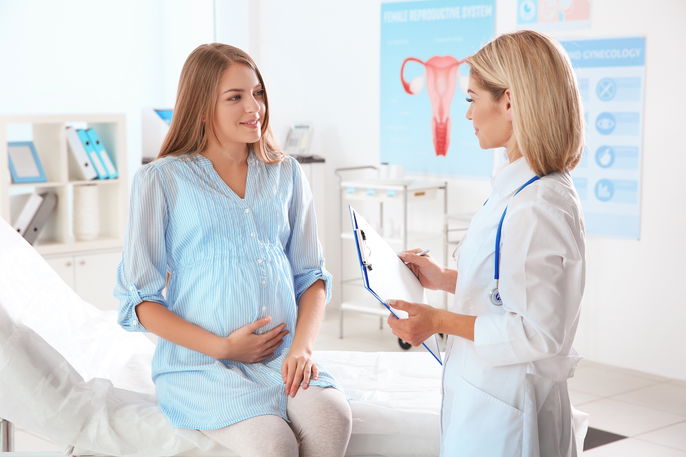
Symptoms of depression during pregnancy
The main symptoms of depression during pregnancy include:
-
Sadness, feelings of guilt, or hopelessness on most days;
-
Anxiety, irritability, agitation, or crying spells;
-
Loss of interest in daily activities;
-
Sluggishness, fatigue, or loss of energy;
-
Insomnia or excessive sleepiness;
-
Increased or decreased appetite;
-
Difficulty concentrating and indecisiveness.
Thoughts of death or suicide may also occur, with or without a suicide attempt.
Symptoms of depression during pregnancy may occur every day or most of the time. They are more common during the first or last trimester of pregnancy and during the first month after the baby is born.
Can depression affect the baby?
When depression during pregnancy is not identified and treated, it can affect the baby's development because the pregnant woman may pay less attention to her nutrition and overall health.
In addition, depression during pregnancy increases the risk of premature birth and low birth weight.
How the diagnosis is confirmed
Depression during pregnancy is diagnosed by an obstetrician or psychiatrist based on an evaluation of symptoms, medical history, history of depression, and family history of depression.
To rule out conditions that can cause similar symptoms, such as thyroid problems, nutritional deficiencies, or gestational diabetes, the doctor may order tests such as thyroid hormone tests, a metabolic panel, and vitamin D levels.
Other tests that may be ordered include urine tests and toxicology screening.
Causes of depression during pregnancy
The main causes and risk factors for depression during pregnancy include:
-
A personal history of anxiety, depression, or postpartum depression;
-
A family history of depression;
-
A previous complicated pregnancy, miscarriage, or loss of a child;
-
Being pregnant with a baby who has health problems or special needs;
-
A lack of emotional support, comfort, affection, or assistance;
-
An unplanned pregnancy.
Financial difficulties, relationship problems, or serious health conditions can also increase the risk of depression during pregnancy.
Depression during pregnancy can also develop in women who have not experienced any of these situations.
How treatment is done
Treatment for depression during pregnancy should be provided under the guidance of an obstetrician and/or psychiatrist and depends on the severity of the symptoms.
Treatment usually involves therapy, particularly cognitive behavioral therapy, which can help the pregnant woman develop strategies to understand and manage her emotions in different situations.
Physical activity, leisure activities or hobbies that promote relaxation, a healthy diet, and family support are other measures that can help manage depression during pregnancy.
In more severe cases, a doctor may recommend medication after weighing the potential benefits for the pregnant woman against the potential risks to the baby.
When antidepressants are used
Antidepressants during pregnancy should only be used when prescribed by an obstetrician and/or psychiatrist after the potential benefits and risks have been carefully evaluated.
The first trimester is an important stage of fetal development because many of the baby's organs and body systems are forming during this period. However, there is no universal FDA recommendation requiring antidepressant treatment to be delayed until after the first 12 weeks of pregnancy; decisions about treatment are made individually based on the benefits and potential risks.
Antidepressants that may be prescribed include selective serotonin reuptake inhibitors (SSRIs), such as sertraline or fluoxetine. Both are FDA-approved prescription antidepressants and are currently marketed in the United States.
Risks of antidepressant use during pregnancy
Although certain antidepressants may be used during pregnancy when considered appropriate by a doctor, SSRI exposure late in pregnancy may be associated with neonatal complications. These can include agitation or irritability, feeding or sleep difficulties, low blood sugar, and respiratory distress.
These changes are generally reported to last for only a few weeks and are not expected to affect the baby's long-term development.
Natural or herbal remedies should also not be taken without medical guidance because they may pose risks during pregnancy. St. John's wort, which is sometimes used for depression, is an herbal dietary supplement rather than an FDA-approved antidepressant medication.
