


Cytogenetics is a lab test that examines chromosomes to detect changes in their number or structure. It is commonly used to help diagnose genetic disorders and certain types of cancer.
This test is performed using a sample of blood, tissue, or bone marrow. It can be done at any age, including during pregnancy to check for possible genetic changes in the baby.
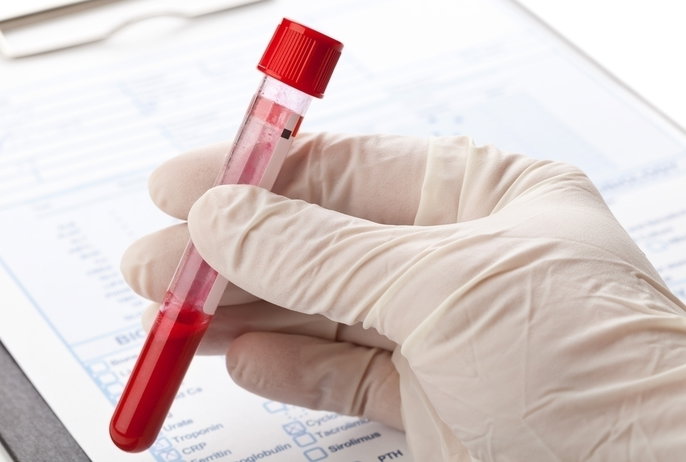
Cytogenetics does not require any special preparation, and sample collection is usually quick. However, results may take between 3 and 10 days, depending on the laboratory.
What the test is used for
The cytogenetic test is used to detect possible chromosomal abnormalities, including:
-
Down syndrome
-
Edwards syndrome
-
DiGeorge syndrome
-
Cri-du-chat syndrome
-
Klinefelter syndrome
-
Differences of sex development (DSDs)
-
Leukemias
-
Patau syndrome (trisomy 13)
This test may be recommended for adults or children when there is a family history of genetic abnormalities, abnormal findings on an obstetric ultrasound, advanced maternal age, recurrent miscarriages, or abnormal results from biochemical tests.
In the case of cancer, cytogenetics testing can also help classify the type of leukemia, guide treatment decisions, and evaluate how the disease is responding to treatment, according to the National Cancer Institute.
What it can detect
The cytogenetics test evaluates chromosomes, which are structures made of DNA and proteins that are organized in 23 pairs within each cell. It can identify two main types of chromosomal changes:
-
Numerical changes are characterized by an increase or decrease in the number of chromosomes, such as in Down syndrome, in which, according to the CDC, three copies of chromosome 21 are present, resulting in a total of 47 chromosomes.
-
Structural changes are characterized by the replacement, exchange, or deletion of a specific region of a chromosome, such as in Cri-du-chat syndrome, in which part of chromosome 5 is missing.
Using a karyotype, which is an organized display of a person’s chromosomes, it is possible to identify both numerical and structural changes.
How the test works
The cytogenetics test is usually performed using a blood sample, but it can also be done using tissue or bone marrow samples.
In pregnant women, when the goal is to evaluate the fetus’s chromosomes, doctors may collect samples of amniotic fluid, chorionic villi, or small amounts of fetal blood.
After the samples are collected and sent to the laboratory, the cells are grown in culture so they can multiply. A substance is then added to stop cell division, which causes the chromosomes to become more condensed and easier to examine under the microscope.
Main types
Depending on the purpose of the test, different molecular techniques can be used to obtain information about a person's karyotype, including:
1. G-banding
The G-banding technique, or karyotyping, involves applying Giemsa stain, which makes the chromosomes visible.
This technique is highly effective for detecting mainly numerical and structural chromosomal changes. It is the main molecular technique used in cytogenetics to diagnose and confirm conditions such as Down syndrome, which is characterized by the presence of an extra chromosome.
2. FISH technique
The FISH technique is more specific and sensitive, and is often used to help diagnose cancer because it can detect small chromosomal changes, rearrangements, and changes in chromosome number.
Although it is very effective, FISH is more expensive because it uses fluorescently labeled DNA probes and requires specialized equipment to detect the fluorescence and visualize the chromosomes.
There are also more affordable molecular biology techniques that can be used in cancer diagnosis.
