


- Seek urgent care if cramping is intense, one-sided, or comes with dizziness, fainting, or shoulder pain, as this may indicate internal bleeding.
- Get medical attention if cramping but no period occurs with a positive pregnancy test, spotting, or unusual bleeding patterns.
- Consult a healthcare provider if cramps are frequent, worsening over time, or interfere with daily activities, especially if periods remain absent.
Cramping but no period is a symptom that can happen for different reasons, ranging from normal body changes to more serious health conditions. In many cases, the cramps feel similar to menstrual pain, even though no bleeding occurs.
This symptom is often linked to pregnancy, hormonal changes, or conditions that affect how menstrual blood flows out of the body. Some people may also notice signs like nausea, fatigue, irregular cycles, or pelvic discomfort.
Treatment depends on the cause and may include monitoring symptoms, hormonal therapy, or medical procedures. Medical attention is important if the pain is severe, happens often, or is associated with symptoms like dizziness, fainting, or unusual discharge.
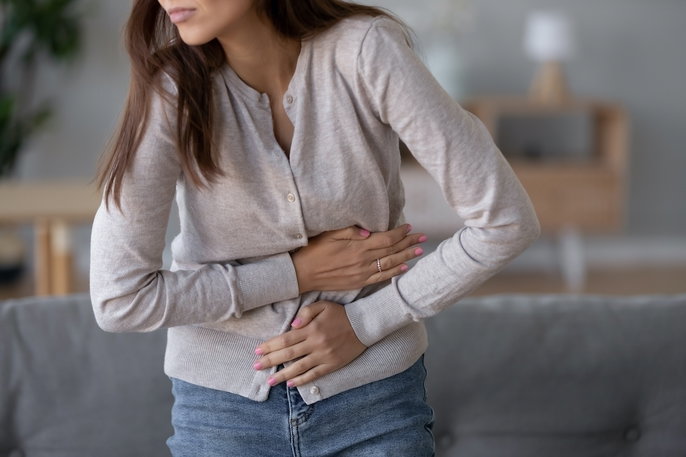
What causes cramping but no period?
The main causes of cramping but no period are related to pregnancy, hormonal imbalances, or structural changes in the reproductive system.
1. Early pregnancy
Early pregnancy can cause mild cramping around the time a period is expected, but without bleeding. This happens as the embryo implants and the uterus begins to change.
A missed period is usually the first noticeable sign, along with breast tenderness, nausea, fatigue, and frequent urination. Learn more about pregnancy symptoms in week 1, and how they can present.
What to do: Confirm pregnancy with a test and follow up with routine prenatal care. Medical evaluation may be needed to rule out complications if symptoms worsen.
2. Ectopic pregnancy
An ectopic pregnancy occurs when the embryo implants outside the uterus, usually in a fallopian tube. It often causes one-sided cramping but no period or only light spotting.
Pain may become sharp or severe and can be accompanied by dizziness, shoulder pain, or fainting if internal bleeding develops.
What to do: This is a medical emergency that requires urgent care. Treatment may include medication or surgery, depending on the situation.
3. Hormonal contraceptive use
Cramping but no period can occur with hormonal contraceptive use, where bleeding becomes very light or stops completely while cramps continue. This happens because the uterine lining becomes thinner, but uterine contractions can still occur.
Depending on the method used, it is also common to notice irregular spotting, breast sensitivity, headaches, or mood changes.
What to do: Treatment is usually not needed, but symptoms can be managed with pain relief or by adjusting the contraceptive method. Medical advice may help if cramps are severe or persistent.
4. Polycystic ovary syndrome (PCOS)
PCOS is a hormonal condition that causes irregular or absent periods. Many people still experience cramping but no period due to hormonal fluctuations.
Signs often develop gradually and may include acne, excess hair growth, weight gain, and difficulty getting pregnant.
What to do: Treatment includes lifestyle changes, hormonal medications to regulate cycles, and medications to improve insulin sensitivity if needed.
5. Functional hypothalamic amenorrhea
This condition occurs when stress, weight loss, or excessive exercise affects hormone production and stops periods. Cramping can still occur around the time a period would normally happen.
It is frequently linked to low body weight, high levels of physical activity, emotional stress, reduced libido, and long-term bone health concerns.
What to do: Treatment focuses on improving nutrition, reducing stress, and adjusting physical activity. Hormonal therapy may be used in some cases.
6. Endometriosis
Endometriosis happens when tissue similar to the uterine lining grows outside the uterus. It can cause significant cramping even when periods are very light or absent.
Pain may also appear during intercourse or bowel movements, and some individuals experience bloating, digestive discomfort, or fertility problems. Learn more about about endometriosis symptoms, and how they can present when this condition affects the bladder, ovaries or bowels.
What to do: Treatment for endometriosis may include pain relief medication, hormonal therapy, or surgery in more severe cases.
Also recommended: Endometriosis Self-Care: 7 Tips for Symptom Relief tuasaude.com/en/endometriosis-self-care7. Cervical stenosis
Cervical stenosis is a narrowing of the cervix that can block menstrual flow. This causes pressure and cramping but no period or very light bleeding.
A history of cervical procedures is common, and pain may gradually worsen over time as pressure builds inside the uterus.
What to do: Treatment usually involves procedures to open the cervix and allow normal flow.
8. Early miscarriage
An early miscarriage can begin with cramping before noticeable bleeding starts. At first, it may feel like cramping but no period.
A positive pregnancy test is often present, followed by spotting that may progress to heavier bleeding as the body expels pregnancy tissue.
Also recommended: Miscarriage or Period: Differences, Tests & What to Do tuasaude.com/en/miscarriage-or-periodWhat to do: Management depends on the situation and may include observation, medication, or medical procedures. Medical evaluation is important to rule out complications.
