


A CPK test measures creatine phosphokinase, an enzyme found mainly in skeletal muscle, the heart, and the brain. When these tissues are damaged or injured, CPK is released into the bloodstream, causing blood levels to rise.
High CPK levels may be linked to conditions such as heart attack, stroke, muscle injury, or intense physical activity. Different types of CPK indicate whether the source of damage is muscle, cardiac tissue, or the brain.
Although the CPK test is useful for detecting tissue damage, it cannot identify the exact cause or severity on its own. For this reason, results are usually interpreted alongside other lab tests, such as troponin, and compared with normal reference ranges to support diagnosis.
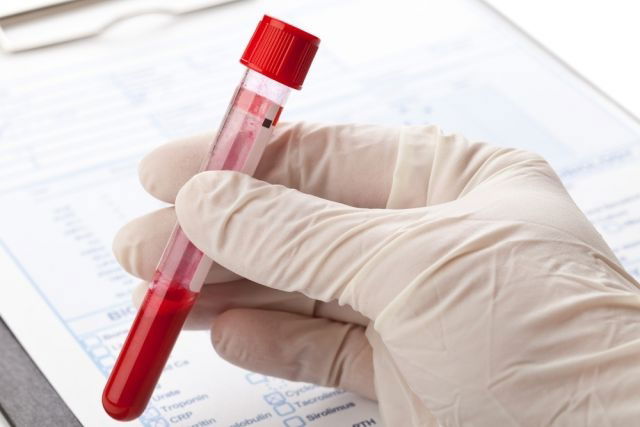
Reference values
Reference ranges for total creatine phosphokinase (total CPK) are 32 to 294 U/L for men and 33 to 211 U/L for women, but these values can vary depending on the laboratory performing the test.
Why it's ordered
A CPK test can help support the diagnosis of conditions such as a heart attack, kidney failure, or respiratory failure, among others. CPK is typically divided into three types based on where it is found in the body:
-
CPK 1 or BB: mainly found in the lungs and brain;
-
CPK 2 or MB: found in the heart muscle and can be used as a marker of heart attack, for example;
-
CPK 3 or MM: found in skeletal muscle and accounts for about 95% of all creatine phosphokinase (BB and MB).
The American Heart Association recommends cardiac troponin as the preferred biomarker for detecting myocardial injury. Even though CK-MB can be a useful cardiac marker, it is usually interpreted alongside other cardiac markers, particularly myoglobin and troponin, when diagnosing a heart attack.
A CK-MB value of 5 ng/mL or less is considered normal. CK-MB levels often increase 3 to 5 hours after a heart attack, peak within 24 hours, and return to normal within 48 to 72 hours. Troponin levels return to normal about 10 days after a heart attack, which makes troponin more specific.
Preparing for the test
Fasting is not required for a CPK test, and a clinician may or may not recommend it depending on the individual case. However, strenuous exercise should be avoided for at least 2 days before testing because CPK can rise after exercise due to muscle activity.
Some medications may also need to be stopped, such as amphotericin B and gemfibrozil, because they may affect test results. Medication changes should be made only as directed by the ordering provider.
If the test is ordered to help diagnose a heart attack, the ratio between CK-MB and total CK may be calculated using the following formula: 100% × (CK-MB / total CK). A result above 6% suggests injury to the heart muscle, while a result below 6% is more consistent with skeletal muscle injury, and the clinician should investigate the cause.
Interpreting the results
The CPK test may suggest certain conditions based on the results:
High CPK
High CPK levels can indicate different conditions depending on the type reported:
-
CPK BB: heart attack, stroke, brain tumor, seizures, respiratory failure;
-
CPK MB: cardiac inflammation, chest trauma, electric shock (such as after defibrillation), heart surgery;
-
CPK MM: crush injury, intense exercise, prolonged immobilization, illicit drug use, body inflammation, muscular dystrophy, after electromyography;
-
Total CPK: excessive alcohol intake, use of medications such as amphotericin B, gemfibrozil, ethanol, barbiturate intoxication, and the combined use of certain inhaled anesthetics with succinylcholine.
It is important to consider which CPK type is elevated and the lab’s reference range, because different patterns can point to different causes. In general, CPK is considered high when it is above 294 U/L in men or above 211 U/L in women.
Low CPK
Low CPK is usually related to a drop in CPK-MM and may suggest loss of muscle mass, malnutrition, or cachexia. Cachexia is a progressive loss of muscle mass, fat, and bone mass.