


- Mild to moderate COVID-19 can often be managed at home with rest, fluids, and medications to relieve symptoms.
- People at higher risk of severe illness may need antiviral treatment, such as Paxlovid or remdesivir.
- Trouble breathing, persistent chest pain, confusion, or difficulty staying awake are warning signs that require emergency medical care.
COVID treatment for mild to moderate illness can usually be done at home with rest, plenty of fluids, and medications to help relieve symptoms. Pain relievers or anti-inflammatory medications may help reduce fever, body aches, and headaches.
Severe COVID-19 may cause difficulty breathing, shortness of breath, or chest pain and may require hospital treatment. Care in the hospital can include medications given through a vein and respiratory support to make breathing easier.
On average, recovery from COVID-19 takes around 10 days, although it can range from about 5 days to several weeks. Recovery time depends largely on the severity of the infection.
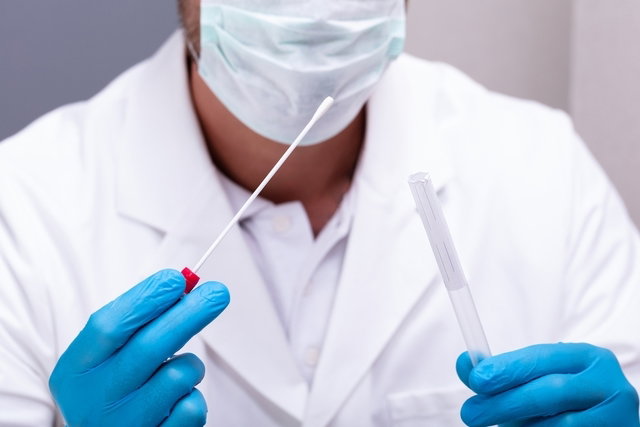
Treatment for COVID
The main COVID treatments include:
1. Getting plenty of rest
For mild COVID-19, getting enough rest can help the body recover and allow the immune system to fight the SARS-CoV-2 virus.
Avoid excessive physical activity while you are sick. It is also important to limit close contact with other people to reduce the risk of spreading the virus and developing complications, such as a secondary bacterial infection.
2. Staying home and away from others
People with COVID symptoms should stay home and away from others while they are sick to reduce the risk of spreading the virus. Close contact, such as hugging and kissing, should also be avoided when possible.
According to the CDC, normal activities can generally be resumed once symptoms have been improving overall for at least 24 hours and any fever has been gone for at least 24 hours without the use of fever-reducing medication. Additional precautions, such as wearing a well-fitting mask, improving ventilation, distancing, and practicing good hygiene, are recommended for the next 5 days.
In healthcare settings, people with suspected or confirmed COVID-19 may need to follow additional infection-control precautions based on their symptoms, illness severity, and health status.
3. Drinking plenty of fluids
Drinking plenty of fluids, such as water, natural fruit juice, unsweetened tea, or an oral rehydration solution, helps keep the body hydrated and supports recovery.
Increasing fluid intake is especially important for preventing dehydration caused by fever or diarrhea related to COVID-19. Children, older adults, and pregnant people may be more vulnerable to dehydration.
Severe dehydration may require treatment in a hospital, where fluids can be given through a vein.
Drinking enough fluids can also help keep the airways moist and may relieve symptoms such as a sore throat, dry cough, and runny or stuffy nose.
4. Taking medication
Medication may be recommended for mild to moderate COVID to help relieve symptoms.
The main medications that may be used include:
-
Pain relievers and fever reducers, such as acetaminophen, to relieve headaches, body aches, or fever
-
Nonsteroidal anti-inflammatory drugs (NSAIDs), such as ibuprofen, to reduce fever and relieve pain
-
Cough medications, such as guaifenesin or dextromethorphan, depending on the type of cough
-
Saline nasal sprays, to help relieve a runny or stuffy nose
-
Antibiotics, when a secondary bacterial infection is diagnosed or suspected
Medications should be used as directed by a healthcare provider or according to the product label. The appropriate medication depends on symptoms, age, overall health, other medications being taken, and possible contraindications.
People with mild to moderate COVID who are at higher risk of developing severe illness may be prescribed antiviral treatment. FDA-approved options include nirmatrelvir/ritonavir (Paxlovid) for eligible adults and remdesivir (Veklury) for eligible adults and pediatric patients.
5. Eating a healthy diet
Eating a healthy, balanced diet helps provide the body with the nutrients and energy it needs while recovering from mild to moderate COVID-19.
Meals can include high protein foods, such as meat, fish, eggs, and dairy products, along with fruits, vegetables, grains, and starchy vegetables.
6. Keeping the room well ventilated
For mild to moderate COVID-19 being treated at home, keeping indoor spaces well ventilated is important. Opening windows when possible can help increase the circulation of fresh air.
SARS-CoV-2 can spread through infectious respiratory particles that accumulate more easily in poorly ventilated indoor spaces. Better ventilation can therefore help reduce the risk of spreading the infection to other people.
7. Hospitalization
More severe COVID-19, including cases involving pneumonia or other serious complications, may require hospitalization.
Hospital treatment may include oxygen delivered through a mask or nasal cannula, high-flow oxygen, noninvasive ventilation, mechanical ventilation, medications given through a vein, and monitoring of vital signs.
Specific medications may also be prescribed to reduce the severity of the infection or treat serious complications, depending on the patient's condition.
FDA-approved medications that may be used in eligible hospitalized patients include remdesivir (Veklury), tocilizumab (Actemra), and baricitinib (Olumiant). Nirmatrelvir/ritonavir (Paxlovid) is an FDA-approved antiviral used early in mild to moderate COVID-19 in eligible adults who are at high risk of developing severe disease.
Important precautions
During COVID-19 infection, it is important to take precautions to reduce the risk of spreading the virus. These include covering the mouth and nose when coughing or sneezing and wearing a well-fitting mask when appropriate, especially when around other people.
Wash your hands regularly with soap and water for at least 20 seconds. When soap and water are not available, use a hand sanitizer containing at least 60% alcohol.
When to go to the hospital
Seek emergency medical care if COVID-19 symptoms become severe, particularly if you develop trouble breathing, persistent pain or pressure in the chest, new confusion, an inability to wake or stay awake, or pale, gray, or blue-colored skin, lips, or nail beds, depending on skin tone.
People who are at higher risk of severe COVID-19 should contact a healthcare provider promptly, even if their initial symptoms are mild, as antiviral treatment works best when started early.
A primary care provider can evaluate COVID-19 symptoms and refer you to an infectious disease specialist, pulmonologist, or another specialist if needed.
Persistent symptoms
Some people who have recovered from the initial COVID-19 infection may continue to experience symptoms such as body aches, fatigue, headaches, or changes in their sense of smell or taste.
Persistent or recurring symptoms after COVID-19 may be associated with Long COVID, also called post-COVID conditions. According to the CDC, Long COVID is a chronic condition that occurs after SARS-CoV-2 infection and is present for at least 3 months.
These symptoms should be evaluated by a healthcare provider, particularly if they interfere with everyday activities or continue for an extended period.
COVID vaccine
The main purpose of COVID-19 vaccination is to reduce the risk of severe illness, hospitalization, and death from COVID-19.
COVID-19 vaccines are used for prevention rather than as treatment for an active infection. Vaccination prepares the immune system to recognize and respond to the virus before a future infection occurs.
