


Cold urticaria is a common term for cold allergy, an allergic-type reaction that happens after exposure to low temperatures. It can cause raised red patches on the skin, along with itching, redness, and/or swelling in the affected area.
This reaction can be triggered by cold air or cold objects touching the skin, or by drinking cold beverages. It is more common in young women, especially those with a personal history of allergies.
When cold urticaria is suspected, consultation with a dermatologist or allergist is recommended. Treatment typically focuses on avoiding cold exposure, and in some cases allergy medications may also be advised.
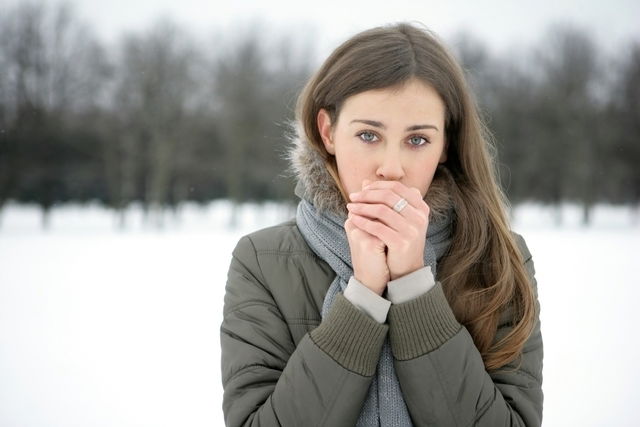
Common symptoms
The main symptoms of cold urticaria are:
-
Red, raised patches on the skin;
-
Itching, swelling, and/or redness in parts of the body;
-
A burning sensation on the skin;
-
Fatigue;
-
Abdominal pain, nausea, and/or diarrhea, in some cases.
Symptoms of cold urticaria often appear about 5 to 10 minutes after the skin comes into contact with cold water, objects, or cold wind. They usually improve on their own within an hour and most often affect the parts of the body that are most exposed.
However, when a large area of the body is exposed to cold, the risk of severe allergic reactions (such as anaphylaxis) significantly increases. In these cases, symptoms like low blood pressure, fainting, or difficulty breathing may occur and can be life-threatening.
Confirming a diagnosis
Cold urticaria is diagnosed by a dermatologist or allergist based on symptoms, health history, and examining the skin following cold exposure.
The doctor may test cold sensitivity by placing an ice cube on the skin of the forearm for about 5 minutes and then checking for symptoms, which typically appear within 10 to 30 minutes after the ice is removed.
In some cases, a doctor may order blood tests to rule out other conditions, such as viral infections and immune system changes, which may be associated with the development of cold urticaria.
Cold urticaria vs chilblains
Cold urticaria can affect the skin on any part of the body that has been exposed to low temperatures. Symptoms usually appear within minutes after exposure due to an allergic reaction that triggers the release of inflammatory substances.
Chilblains (pernio) is linked to constant or prolonged exposure to cold and damp environments. It is believed to be caused by narrowing of the blood vessels and tends to affect the extremities, such as the fingers and/or toes.
Possible causes
Cold urticaria is believed to be caused by the body’s reaction to low temperatures, which leads to the release of inflammatory substances such as histamine, interleukins, and leukotrienes.
It is more common in young women with a history of asthma, allergic rhinitis, and/or other allergies. It may also be associated with a family history of cold urticaria, viral infections such as mononucleosis, hepatitis, or HIV, and diseases that affect the immune system.
Treatment options
Treatment for cold urticaria should be guided by a dermatologist or allergist and may include:
1. Avoiding exposure to the cold
The most important part of treatment is avoiding low temperatures, which may involve avoiding contact with cold objects, cold air, or cold water, not consuming cold foods or drinks, and dressing appropriately.
For people who live in cold regions or who work in or will travel to cold places, keeping the body warm is important. This may include using items such as gloves, boots, hats, and warming socks.
2. Use of antihistamines
Antihistamines such as loratadine, desloratadine, fexofenadine, or cetirizine may be recommended to help relieve symptoms.
When cold urticaria is associated with other diseases, it is also important to treat those conditions according to medical guidance to help control the allergy.
3. Epinephrine auto-injector
In more severe cases, symptoms can be life-threatening, and a doctor may recommend an epinephrine auto-injector (EpiPen). It can be used as soon as symptoms begin to help reverse them.
Epinephrine in injectable form is also used in hospitals under medical guidance in cases of severe allergic reactions caused by cold urticaria.
Possible complications
The main complication of cold urticaria is anaphylactic shock, which may include symptoms such as trouble breathing, low blood pressure, a feeling of throat tightness, swelling of the mouth, tongue, or face, and loss of consciousness.
This type of reaction is serious and can be life-threatening. In these cases, emergency medical care should be sought immediately.