


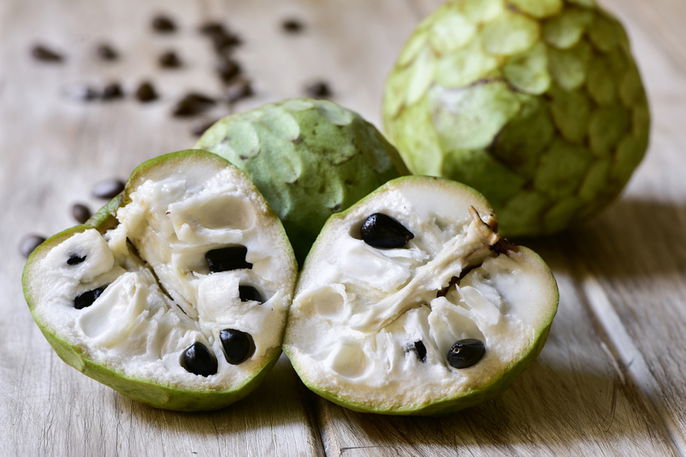
Cherimoya is a tropical fruit from the Annonaceae family that offers several health benefits, such as helping prevent constipation, supporting heart health, regulating blood sugar levels, and reducing the risk of cancer.
These effects are due to its high fiber content and bioactive compounds, including vitamins A and C, which have antioxidant properties.
The scientific name for cherimoya is Annona cherimola, and it originates from the Andes region of Peru. It can be found in supermarkets and is typically eaten fresh or used in desserts.
Health benefits
Regular consumption of cherimoya can provide several health benefits, including:
1. Preventing constipation
Cherimoya is rich in fiber, which adds bulk to stool and makes it easier to pass, especially when combined with adequate water intake and a balanced, fiber-rich diet.
2. Slowing premature aging
Because it contains vitamins A and C, as well as flavonoids and tannins—bioactive compounds with antioxidant properties—cherimoya may help delay premature aging, support skin health, and lower the risk of chronic diseases.
3. Supporting heart health
The antioxidants and fiber in cherimoya can help lower “bad” LDL cholesterol levels, reducing the risk of heart disease, including atherosclerosis, heart attack, and stroke.
4. Regulating blood sugar levels
Thanks to its fiber and bioactive compounds such as coumarins, vanillic acid, kaempferol, potassium, and magnesium, cherimoya may help regulate blood sugar levels and improve insulin sensitivity when included as part of a healthy diet.
5. Helping prevent cancer
Cherimoya contains high amounts of acetogenins—compounds with anti-inflammatory, antioxidant, and antitumor properties that may help eliminate cancer cells. Studies suggest these compounds act mainly on breast, pancreatic, prostate, and colon cancer cells, although more research is needed to confirm these effects.
6. Supporting brain health
Because it’s rich in antioxidants, regular consumption of cherimoya may help prevent neurodegenerative diseases such as Alzheimer’s and dementia. It also provides vitamin B6, which supports nervous system function, and magnesium, which plays an important role in brain health. Additionally, cherimoya contains alkaloids such as anonaine, liriodenine, and nornuciferine, which may increase dopamine production—a neurotransmitter that promotes feelings of pleasure, improves mood, and enhances motivation.
7. Strengthening the immune system
Cherimoya contains vitamins A, C, and several B-complex vitamins that help strengthen the immune system and protect against infections and illness.
8. Lowering blood pressure
Cherimoya is a good source of potassium, magnesium, and vitamin C—micronutrients that support healthy blood pressure. Potassium helps eliminate excess sodium through urine, while magnesium and vitamin C help relax blood vessels.
9. Boosting energy and metabolism
Cherimoya is high in carbohydrates, which provide energy for the body, making it a great option to eat before workouts. It also contains B-complex vitamins, which are essential for proper metabolism and energy production.
Properties of cherimoya
Cherimoya has antioxidant, anti-inflammatory, anticancer, digestive, neuroprotective, antihypertensive, and antidepressant properties due to its vitamins A and C, as well as phenolic compounds, alkaloids, tannins, and acetogenins.
Is cherimoya the same as soursop?
Cherimoya and soursop are not the same fruit, even though they look similar. Both belong to the Annonaceae family, but they are different species with distinct textures and flavors.
Cherimoya nutrition facts
The table below shows the nutritional composition of cherimoya per 100 g (about half of one fruit):
To enjoy its full health benefits, cherimoya should be eaten as part of a balanced, nutritious diet and combined with regular physical activity.
How to eat cherimoya
Cherimoya can be eaten raw or used as an ingredient in recipes such as desserts, juices, jams, soups, and ice creams. It can also be added to yogurt or cereal, or even used in savory dishes like fish or shrimp ceviche. While there’s no specific daily recommendation for cherimoya, it’s generally advised to eat 2 to 3 servings of fruit per day.
Healthy recipes
Cherimoya can be integrated into recipes like:
1. Cherimoya detox juice
Ingredients
-
1 cup of cherimoya pulp (peeled and seeded)
-
1 green apple, chopped
-
1 pear, chopped
-
2 teaspoons chopped celery
-
½ cup cucumber with peel
-
2 teaspoons chia seeds
-
Juice of 1 lemon
-
3 cups cold coconut water
Directions
Blend all ingredients until smooth and drink immediately. Makes 2 servings.
2. Cherimoya ceviche
Ingredients
-
1 lb (500 g) white fish of your choice
-
Juice of 6 lemons
-
½ sliced red onion
-
½ chopped yellow chili pepper
-
Pulp of 5 cherimoyas, diced
-
2 tablespoons chopped cilantro
-
½ cup coconut milk
-
Salt and pepper to taste
Directions
Combine the lemon juice and diced fish in a bowl and refrigerate for 30 minutes. In another bowl, mix the coconut milk, chili pepper, cilantro, onion, and cherimoya pulp. After 30 minutes, combine everything, season to taste, and serve.
Possible side effects
Cherimoya seeds and peel contain annonacin, a compound that may have neurotoxic effects if ingested in large amounts. For this reason, only the pulp should be eaten, and the seeds and peel should always be discarded.