


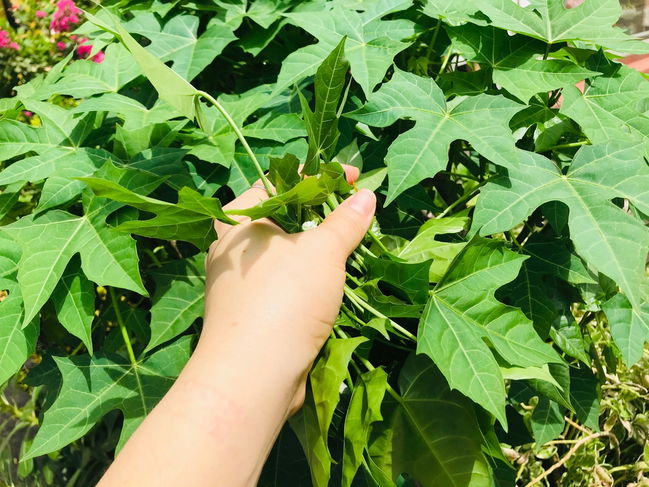
Chaya (Cnidoscolus aconitifolius) is a leafy green plant traditionally used as food and medicine, particularly in Mexico and Central America. Often referred to as "tree spinach," chaya is renowned for its nutritional richness and potential health benefits, especially regarding diabetes management, antioxidant activity, and anti-inflammatory effects.
Despite its health advantages, chaya must be properly cooked to eliminate potentially toxic compounds called cyanogenic glycosides. Boiling the leaves ensures they are safe to eat and unlocks their full nutritional potential.
Research continues to explore chaya's therapeutic properties, confirming its beneficial effects in managing cholesterol, supporting liver health, and reducing inflammation, making it a valuable addition to a balanced diet.
Health benefits
Chaya provides several scientifically-supported health benefits, including:
1. Rich in nutrients
Chaya leaves are nutrient-dense, containing high levels of protein (18–25%), calcium, iron, and vitamins, particularly vitamin A, which supports eye health and immune function.
2. Controls blood sugar
Several studies have demonstrated chaya's effectiveness in managing diabetes. Research shows that consuming chaya extract can significantly lower blood glucose and cholesterol levels in animal models, suggesting potential benefits for diabetes management in humans.
3. Antioxidant properties
Chaya is rich in antioxidants, particularly phenolic and flavonoid compounds like gallic acid, chlorogenic acid, and rutin, which help neutralize harmful free radicals and protect cells from oxidative damage.
4. Lowers cholesterol
Clinical studies indicate that chaya can help reduce total cholesterol and LDL cholesterol, potentially lowering the risk of cardiovascular diseases such as atherosclerosis.
5. Anti-inflammatory and pain relief effects
Extracts from chaya leaves show anti-inflammatory properties comparable to pharmaceutical anti-inflammatory drugs, validating their traditional use for managing inflammation and pain relief.
6. Hepatoprotective effects
Research suggests chaya can protect liver cells from damage caused by toxins and oxidative stress, indicating potential liver health benefits.
7. Supports breast milk production
Preliminary studies indicate that consuming properly prepared chaya may safely enhance breast milk production in lactating women. However, additional research is required to confirm safety during pregnancy.
How to use
Chaya can be safely consumed in various forms once properly prepared to remove toxic compounds. Common uses include:
1. Chaya tea
Chaya tea is made by boiling fresh leaves for at least 20 minutes to neutralize harmful substances. Drinking this tea regularly may provide health benefits such as blood sugar regulation and cholesterol control.
2. Cooked chaya leaves
Similar to spinach, chaya leaves can be boiled and consumed as vegetables. Boiling for at least 20 minutes ensures they are safe and nutritious.
3. Chaya capsules and supplements
Chaya is also available in capsule form as dietary supplements. These products usually contain dried, powdered leaves and can be an easy way to incorporate chaya's benefits into daily routines. It is essential to follow the dosage recommendations provided on supplement packaging.
Side effects and contraindications
Chaya leaves naturally contain cyanogenic glycosides, particularly linamarin, which can release toxic cyanide when consumed raw. To ensure safety, the leaves must be boiled for at least 20 minutes, completely eliminating these toxic compounds.
Currently, there is limited research on the safety of consuming chaya during pregnancy. Although it appears safe for lactating women when properly prepared, pregnant individuals should consult healthcare providers before consuming chaya.