


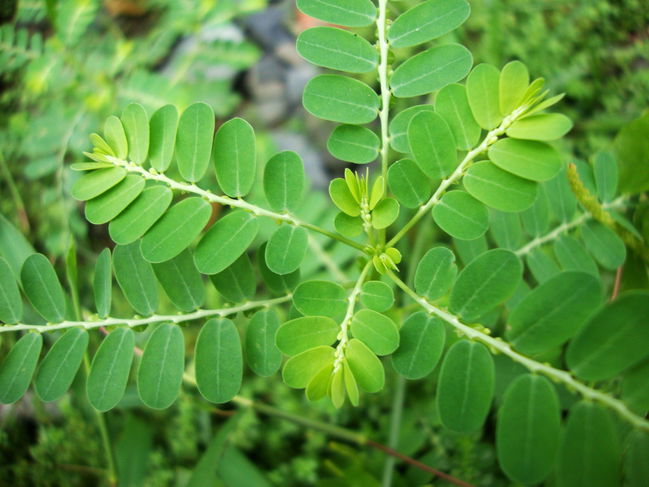
Chanca piedra is a medicinal plant widely used in traditional medicine due to its effects on kidney stones and gallstones. Known scientifically as Phyllanthus niruri, chanca piedra contains bioactive compounds with antioxidant, diuretic, and antispasmodic properties that support overall health.
Because it is rich in alkaloids, flavonoids, lignans, and triterpenes, chanca piedra may help protect the liver, regulate blood sugar, lower cholesterol, and reduce inflammation. It is also commonly used to support urinary health, ease digestion, and help prevent the formation of kidney stones by reducing crystal buildup in the urinary tract.
Chanca piedra can be consumed as tea, capsules, tinctures, or extracts, but it should not replace medical treatment prescribed by a doctor. Medical guidance is especially important for people with diabetes, kidney conditions, or those who are pregnant, as improper use may cause side effects, mineral imbalances, or delayed diagnosis of underlying conditions.
Health benefits
Chanca piedra may be used for several actions in the body, such as:
1. Protecting the liver
Chanca piedra is rich in antioxidant compounds with hepatoprotective action, such as lignans, among which phyllanthin and hypophyllanthin stand out. According to some studies, it may protect liver cells from intoxication induced by certain compounds such as carbon tetrachloride, galactosamine, and medications like acetaminophen, for example, in addition to preventing the development of medication-induced liver cirrhosis.
2. Regulating blood glucose
Some studies show that concentrated extracts of chanca piedra help regulate blood glucose levels due to their bioactive compounds with antidiabetic activity, helping to improve glucose tolerance, improve pancreatic tissue, and support its function. It is therefore recommended to prevent or treat type 2 diabetes.
3. Reducing inflammation and pain
Chanca piedra may have antiallodynic, analgesic, and anti-inflammatory properties that can relieve muscle pain, joint pain, and headaches.
These properties are due to the fact that this plant has a high concentration of gallic acid and corilagin, which may act by reducing the action of inflammatory mediators in the body and leading to a reduction in pain receptors.
4. Lowering cholesterol and triglycerides
Because it is rich in bioactive compounds such as flavonoids, chanca piedra helps reduce fat levels in the body, lowering total cholesterol and LDL cholesterol, as well as triglycerides, thereby preventing cardiovascular diseases such as atherosclerosis, heart attack, or stroke.
These benefits are due to the plant’s lipolytic properties, which break down body fats, act on liver enzymes by normalizing cholesterol synthesis, help eliminate LDL cholesterol to prevent its accumulation in the body, and increase the intestinal excretion of bile that contains cholesterol.
5. Controlling blood pressure and blood clotting
Chanca piedra contains bioactive compounds with vasodilatory activity on the arteries, inhibiting vasoconstriction and helping to control high blood pressure. It also helps regulate and prevent platelet aggregation, thereby preventing the development of thrombosis, for example.
6. Preventing ulcers
This plant is rich in gallic acid, beta-sitosterol, ellagic acid, and alkaloids with healing activity on the digestive mucosa, helping to heal and inhibit the development of ulcers induced by medications such as nonsteroidal anti-inflammatory drugs, as well as gastric mucosal ulceration caused by alcohol.
7. Acting against viruses and bacteria
Chanca piedra extract has significant antiviral action when combined with other active compounds, especially when used against the hepatitis B virus, helping to fight it. It also acts against some bacteria, such as Escherichia coli, Staphylococcus aureus, Proteus vulgaris, and Bacillus subtilis.
In addition, this plant is active against the bacterium Listeria monocytogenes, which is responsible for listeriosis, and may be useful as a food preservative.
8. Preventing kidney stones
According to some studies, chanca piedra has properties that prevent and help treat kidney stones, making it useful as a complementary treatment.
9. Preventing gallstones
Chanca piedra has alkalinizing properties, helping to prevent gallstones that form in the gallbladder.
10. Reducing the likelihood of gout
This plant helps reduce the accumulation of uric acid in the blood, helping to balance its levels and being useful in preventing gout attacks.
How to make chanca piedra tea
Chanca piedra tea can be consumed to prevent kidney stones made up of calcium oxalate. It can also prevent pre-existing stones from increasing in size, as this plant contains properties that prevent crystal aggregation in the urinary tract.
It is important to note that this tea does not treat or eliminate already formed kidney stones, and does not prevent kidney stones made-up of other substances.
Ingredients
- 20 g of chance piedra
- 1 liter of water
How to prepare
Boil the water and add the plant. Allow to soak for 5 to 10 minutes, then strain and drink while warm, preferably unsweetened.
Other ways to use
Chanca piedra may start off with a bitter taste that turns smoothers. Other ways this plant can be used are:
- Infusion: 20 to 30 g per liter. Consume 1 to 2 cups per day.
- Decoction: 10 a 20 g por litro. Consume 2 to 3 cups per day
- Dry extract in capsule form: 350 mg, up to 3 times per day
- Powder: 0.5 to 2 g per day
- Tincture: 10 a 20 mL, divided into 2 or 3 daily doses and diluted in a small amount of water
Chanca piedra use and duration should be oriented by a doctor or medicinal plant special.
Possible side effects
The most common side effects from chanca piedra use include abdominal pain, pain with urination, blood in the urine or nausea.
In addition, chanca piedra can greatly reduce blood sugar levels and lead to hypoglycemia. This can especially occur in people who take medication for diabetes.
Contraindications for use
Chanca piedra tea is contraindicated for children under 6 years old, and for pregnant or breastfeeding women. This tea contains properties that can cross the placenta and reach the baby, leading to spontaneous miscarriage. It can also enter breast milk and alter mik taste.
You should not consume this tea for more than 2 consecutive weeks, as this can lead to the elimination of important minerals in the urine.