


- Catuaba is a traditional Brazilian herbal remedy believed to boost energy, memory, and libido through its natural alkaloids, tannins, and flavonoids.
- It’s often consumed as tea, capsules, or powder, but research on its safety and effectiveness remains limited, so medical supervision is recommended.
- Although widely used as a natural stimulant and aphrodisiac, catuaba is not FDA-approved as a therapeutic remedy, and safer, evidence-based alternatives should be discussed with a healthcare provider.
Catuaba is a natural plant extract that’s often used to help boost energy, memory, and libido. Known for its stimulating and antioxidant effects, it has been traditionally used to fight fatigue and improve mental alertness. Its potential benefits come from active compounds like alkaloids, tannins, and flavonoids, which may help increase blood flow and reduce inflammation.
While catuaba has been used in traditional Brazilian medicine for centuries, scientific evidence supporting its effectiveness is still limited. Some studies suggest it may help improve sexual performance and mood, but more research is needed to confirm these effects. Because of its stimulant properties, it should always be used under professional supervision.
There are different species sold under the name “catuaba,” most commonly Anemopaegma mirandum, Erythroxylum vacciniifolium, and Trichilia catigua. These are typically available as teas, powders, capsules, or even alcoholic beverages, though the latter form is not recommended for medicinal use.
Possible health benefits
Catuaba has traditionally been used for several purposes, including:
-
Increasing physical and mental energy
-
Reducing fatigue and tiredness
-
Supporting vitality and libido
-
Enhancing memory and focus
-
Managing sexual impotence in men
-
Prolonging erections
-
Reducing anxiety and depression symptoms
-
Improving mental exhaustion
-
Promoting better sleep
Its active compound, catuabine, may act on the nervous system and help increase blood circulation to the genital area. However, it should not replace prescribed medical treatments and should always be used under the guidance of a doctor or qualified herbalist.
How to use catuaba
Catuaba can be consumed as tea, capsules, or powder. It can also be found in certain alcoholic beverages, but these are not recommended for therapeutic purposes.
1. Catuaba tea
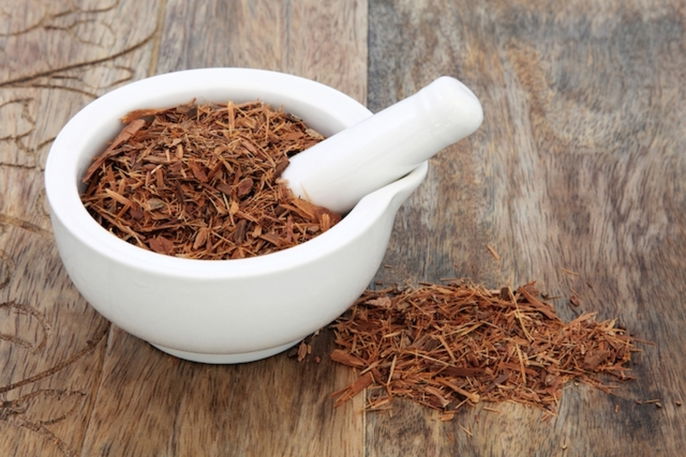
Catuaba tea is made from the bark, which contains the active medicinal substances.
Ingredients:
-
2 tablespoons of catuaba bark
-
½ liter of water
Directions:
Add the ingredients to a pot and bring to a boil. After 3 minutes, remove from heat and let steep. Strain and drink up to 2 cups per day after meals.
2. Catuaba capsules
Catuaba capsules usually come in doses of 300 to 500 mg. The general recommendation is 1 capsule once or twice daily, without exceeding 2 grams per day, as directed by a healthcare professional.
3. Catuaba powder
Catuaba powder is made from ground dried bark and is easy to mix into hot water, juices, or smoothies. Traditional doses range from 2 to 10 g per day (about ½ to 2 teaspoons), although there is limited research confirming ideal dosages or proven efficacy for this form.
4. Wild catuaba (alcoholic beverage)
Wild catuaba is an alcoholic drink sometimes taken in small amounts for its supposed aphrodisiac effect. However, because it contains alcohol, it should not be used for medicinal purposes. Safer alternatives include tea or capsules.
Side effects
Excessive use of catuaba can lead to side effects due to overstimulation of the nervous system. Common reactions may include headaches, dizziness, confusion, and difficulty concentrating. It can also cause stomach irritation or negatively affect sexual performance if taken in large amounts.
Excessive use of herbal supplements can also pose health risks, according to the World Health Organization (WHO), which advises that herbal medicines should be used cautiously and under professional supervision to avoid toxicity or adverse effects.
Who should avoid catuaba
Catuaba should not be used by children under 12 years old, pregnant or breastfeeding women, or people with glaucoma, high blood pressure, or ventricular pre-excitation. Because wild catuaba contains alcohol, it is also not recommended for individuals undergoing treatment for alcoholism or those taking disulfiram.