


- A burning tongue that lasts for more than one week without improvement should be evaluated by a healthcare professional to rule out chronic conditions.
- Seek medical attention immediately if the burning tongue is accompanied by white patches, red sores, bleeding, or a "geographic" map-like appearance on the tongue surface.
- It is a significant warning sign if the discomfort becomes severe enough to cause difficulty swallowing, persistent bad breath, or a loss of taste.
A burning tongue often results from the consumption of extremely hot drinks or spicy foods that damage the oral tissue. These thermal or chemical irritations typically cause a temporary stinging sensation that resolves as the tongue heals.
When a burning tongue persists without a clear trigger, it may signal an underlying condition like oral thrush or a vitamin B deficiency. Issues with saliva production and hormonal fluctuations can also contribute to chronic discomfort or a stinging feeling in the mouth.
Relief often involves increasing fluid intake and avoiding acidic foods while the sensitive lining of the mouth recovers. Professional assessment is required if a burning tongue lasts over a week or is accompanied by symptoms like white patches or bleeding.
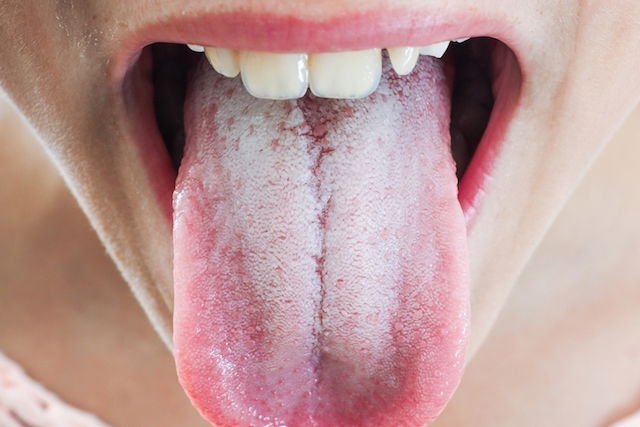
Why is my tongue burning?
A burning tongue can be caused by:
1. Burning mouth syndrome
This syndrome is relatively rare and is characterized by a burning sensation on the tongue, lips, palate and other areas of the mouth. It emerges for no apparent reason and can last for years. In addition, you may experience other symptoms like tingling and changes to taste. This syndrome most commonly affects women over the age of 60.
The exact causes of burning mouth syndrome are not entirely known, however it is associated with excess stress, anxiety and depression. Learn more about the symptoms and treatment of burning mouth syndrome.
How to treat: If you suspect you may have burning mouth syndrome, you should see your doctor to confirm a diagnosis and rule out other possible causes. The doctor may prescribe oral mouthwashes and medication like low dose tricyclics antidepressants, benzodiazepines or anticonvulsants. Treatment depends on the physical exam, test results and health history of each patient.
2. Consuming hot, spicy or acidic food or drinks
This is the main cause of tongue burning that happens to everyone at least once in a lifetime. The burning emergrd because hot temperature can burn the tongue, lips, gums and cheek tissue. Acidic foods like citric fruits, and spicy food can also damage the tongue and cause burning. Most times, the burn is mild but it can cause discomfort and loss of sensitivity for up to 3 days.
How to treat: To relieve symptoms, you should opt for cold food and drinks and avoid hot ones until symptoms resolve. You should let your food cool before eating it. Avoiding spicy food and citric foods like kiwifruit, pineapple and grapefruit can also help, as well as maintaining good oral hygiene. You should see your doctor if the burn is severe.
3. Dry mouth
Dryness in the mouth occurs when salivary glands do not produce sufficient amounts of saliva to keep the tongue and oral mucosa moist. When this happens, it is normal to feel burning or tingling on the tongue.
Some of the most frequent causes of dry mouth include problems in the salivary glands or use of medications. In addition illnesses that compromise the immune system like Sjögren syndrome, AIDS and diabetes can also lead to dry mouth. Many women experiencing hormonal changes may also notice dry mouth, especially during specific periods like during menstruation.
Read more about what can cause a dry mouth and the other symptoms it can present with.
How to treat: When you notice you have a dry mouth, increase your fluid intake or chew on a piece of gum to simulate saliva production. If your dryness lasts for a long time, you should see your doctor for assessment identify a cause and start appropriate treatment.
4. Lack of vitamin B
A deficiency in B complex vitamins generally causes mild inflammation in the mouth, leading to symptoms like burning on the tongue, gums and cheeks. A lack of minerals like iron and zinc can also trigger these symptoms.
Vitamin B deficiency is more common in people who do not eat a varied diet or in people with more restrictive diets, like vegetarians or vegans.
How to treat: Ideally, you should maintain a varied diet. However, if you suspect you may be deficient in Vitamin B, you should see your doctor for a blood test and start supplementation as prescribed.
5. Thrush
A yeast infection in the mouth, known as oral thrush, can emerge on the tongue, especially when proper oral hygiene is not practiced. These infections can cause tingling or burning on the tongue, as well as bad breath or a white tongue.
How to treat: Normally, an infection can be managed with adequate oral hygiene twice per day. However, if symptoms do not resolve with 1 week, you should see your doctor, as treatment with antifungals may be necessary.
6. Geographic tongue
This is a condition where red, smooth patches appear on the surface of the tongue, often resembling a map. These patches lack the tiny bumps usually found on the tongue, which makes the area very sensitive to certain flavors and temperatures. It is a common cause of a burning tongue, especially when eating spicy, salty, or acidic foods.
How to treat: While there is no specific cure for geographic tongue, symptoms can be managed by avoiding trigger foods like citrus fruits, chili, or very salty snacks. If the discomfort is severe, a dentist may prescribe a numbing gel or a special mouthwash to reduce sensitivity.
7. Menopause
Hormonal changes, particularly the decrease in estrogen during menopause, can significantly affect the nerves and salivary glands in the mouth. This drop in hormones often leads to a persistent burning tongue sensation and can also cause a metallic taste or a dry feeling in the mouth.
How to treat: If hormonal changes are the suspected cause, a consultation with a doctor or gynecologist is recommended. They may suggest hormone replacement therapy (HRT) or other treatments to balance hormone levels. Using saliva substitutes or drinking plenty of water can also help manage the associated dryness.
8. Medication side effects
Certain medications used to treat high blood pressure, known as ACE inhibitors, are known for causing a burning tongue as a primary side effect. These drugs can irritate the oral tissues or change the way nerves in the mouth send signals to the brain.
How to treat: Medication should not be stopped without consulting a doctor first. It is important to speak with a healthcare provider about the burning sensation, as they may be able to adjust the dosage or switch the prescription to a different type of blood pressure medication that does not cause oral irritation.
9. Oral lichen planus
This is a chronic inflammatory condition where the immune system attacks the lining of the mouth. It often appears as white, lacy patches or red, open sores on the tongue and cheeks. Because the protective layer of the tongue is inflamed, it often results in a painful burning sensation when eating or brushing the teeth.
Learn more about lichen planus and how it can affect other areas of the body.
How to treat: Since this is a long-term condition, it requires a diagnosis from a doctor or dentist. Treatment usually involves the use of topical corticosteroids in the form of gels or mouthwashes to reduce inflammation and soothe the burning sensation. Regular dental check-ups are also important to monitor the area.
When to go to the doctor
Usually, burning tongue resolves quickly by maintaining adequate oral hygiene and drinking at least 2 L of water per day. However, you should see the doctor if:
- Burning lasts for over 1 week
- You have difficulty eating
- Other symptoms emerge like white tongue, bleeding or intense halitosis
In these cases, you should consult your dentist or doctor for assessment so that a cause can be identified and appropriate treatment can be initiated.