


A bump on the head can be caused from physical trauma, like a blow to the head, or a skin condition, like hives, folliculitis or dermatitis.
Bumps that emerge on the head can appear with bruising and sensitivity upon palpation, as well as itching, hair loss, crusts or bleeding. They can also appear isolated, on their own, or as a cluster of bumps.
Bumps on the head should be assessed by your doctor if they grow in size, if pain worsens, or if you develop symptoms of head trauma, like dizziness, weakness or blurry vision. Skin conditions that cause bumps on the head may be treated with topical medications, while head trauma requires urgent medical attention.
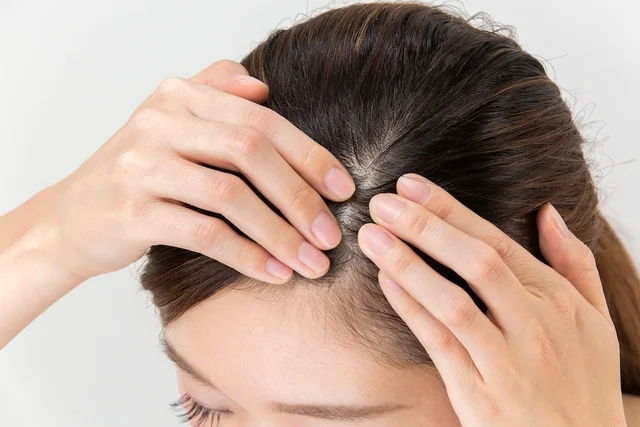
Why do I have a bump on my head?
The main causes of a bump on the head are:
1. Seborrheic dermatitis
Seborrheic dermatitis is the most common cause of a bump on the head. It is characterized by a thick, yellow or white crust on the scalp that typically itches. The surrounding area is usually smooth, but painful when touched.
How to treat: Usually, treatment is prescribed by a dermatologist and involves the use of antifungal or corticoid shampoo or ointments. Patients may be advised to was their hair frequently and to avoid using hair products and hats. Read more about the options available for seborrheic dermatitis treatment.
2. Direct trauma
Usually, a blow to the head can lead to the appearance of bumps, and these are usually a sign that the body is trying to recover from an injury. More serious injuries (from a car accident, for example) can lead to larger, more painful bumps that bleed.
How to treat: If you’ve hit or fallen on your head, you should proceed to the emergency room. The doctor will likely order imaging tests to assess the brain and look for signs of bleeding. Nonetheless, bumps that appear on the head after direct trauma are usually not significant and resolve within a few days.
3. Sebaceous cyst
A sebaceous cyst is a fluid-filled bump that grows due to a pore that is blocked with dirt, dust or natural skin oil. These cysts can cause pain when brushing or washing your hair.
How to treat: Sebaceous cysts are usually removed with a minor surgical procedure. Most times, the cysts are benign, although the doctor may opt to send a specimen to the lab for analysis.
4. Folliculitis
Folliculitis on the scalp is not as common, but it can be triggered by the spread of fungus or bacteria into the hair root, which causes bumps. In more serious cases, patients may notice hair loss in the affected area, also known as folliculitis decalvans.
How to treat: Treatment for folliculitis on the scalp can involve antifungal shampoos with ketoconazole, for example, or topical or oral antibiotics, like mupirocin or cephalexin. Treatment will depend on the microorganism that caused the folliculitis, and should be followed as instructed by a dermatologist. Read more about the different treatment options for folliculitis.
5. Hives
Hives, or urticaria, is an allergic reaction that affects the skin. It is usually associated with itchy red bumps that become swollen. Urticaria can also affect the scalp, and can cause small bumps that are very itchy.
How to treat: Treatment for urticaria is prescribed by a dermatologist and can be involve the use of antihistamines, like loratadine, or corticosteroids, like prednisone, to relieve itching and swelling. Learn more about the symptoms of hives and how they are treated.
6. Basal cell carcinoma
Basal cell carcinoma (BCC) is one of the most common types of skin cancer. It is characterized by small skin lumps that grow and can spread over time. Dermatologists are often able to diagnose by inspecting the bump and collecting a specimen for lab analysis.
How to treat: If you notice any discoloration and bumps on the head, you should see your doctor for assessment and diagnosis. BCC is usually treated with removal of the lump with a laser or cryotherapy. To prevent it, is important to avoid prolonged sun exposure and to use hats and sunblock.
7. Lipoma
A lipoma is a type of skin or lump made-up of fat cells. Lipomas are usually round in appearance, and can form on the scalp, neck, back or any other part of the body. They usually do not cause symptoms, however some patients report mild discomfort with palpation.
How to treat: Lipomas are usually removed through a minor surgical procedure for cosmetic reasons, as they typically do not cause symptoms. However, a doctor should rule out the possibility of malignancy.
8. Hemangioma
A hemangioma is a benign skin tumor made-up of blood vessels that have accumulated abnormally. They are commonly seen on the face, neck or scalp and look like a red or purple swelling. Generally, hemangiomas emerge in infancy and disappear at around 4 or 5 years old.
How to treat: If a hemangioma from birth does not disappear by the time the child is around 5 years old, it should be assessed by a doctor, who may advise surgical removal.
9. Fibroma
A fibroma is a benign tumor made up of fibrous or connective tissue. It can emerge on any part of the body, like the head or neck, and is generally not associated with symptoms. Depending on the type of fibroma, some patients may experience pain or itching.
How to treat: You should see a dermatologist or family doctor for assessment and testing to rule out any malignancy. Fibromas are usually removed for cosmetic reasons, although removal be relieve any associated pain or discomfort.
When to see the doctor
You should see your doctor if the bump on your head has any of the following characteristics:
- The emergence of more than one bump
- Increase in size
- Rashes
- Color changes
- Discharge from the bump, like pus or blood
- Intense head ache
The cause of the bump is usually diagnosed by a dermatologist or family doctor after evaluating characteristics and the surrounding scalp. Treatment will depend on the underlying cause of the bump.