


Bronchiolitis is a viral infection that affects the bronchioles, the smallest airways in the lungs. It can cause symptoms such as coughing, wheezing, rapid breathing, and in more severe cases, difficulty breathing.
This condition is most common in babies under 2 years of age and is usually caused by the respiratory syncytial virus (RSV) or rhinovirus.
When bronchiolitis is suspected, it is important to see a pediatrician for diagnosis. Treatment often includes fever-reducing medication and nasal irrigation with saline solution. In more severe cases, hospitalization may be necessary.
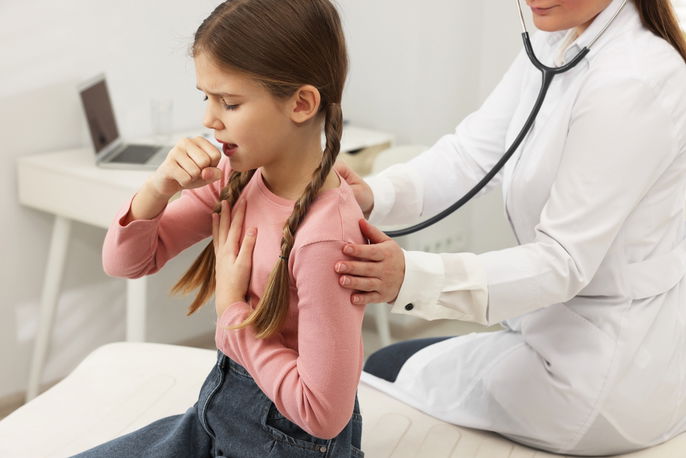
Symptoms of bronchiolitis
The main symptoms of bronchiolitis in babies include:
-
Fever
-
Runny or stuffy nose
-
Cough
-
Wheezing
-
Rapid breathing
-
Irritability
-
Decreased appetite
-
Trouble sleeping
Bronchiolitis often begins with cold-like symptoms, but they usually get worse by the 3rd or 4th day, leading to rapid breathing and wheezing. These symptoms can last for 2 to 3 weeks before clearing up.
If bronchiolitis is suspected, it is important to consult a pediatrician to confirm the diagnosis and begin the most appropriate treatment.
Is bronchiolitis in babies serious?
Bronchiolitis in babies can sometimes be serious, especially if symptoms such as flared nostrils, head bobbing, visible pulling of the ribs, or excessive belly movement during breathing appear. In these cases, emergency care is needed for proper evaluation.
Emergency care is also recommended if the baby is unable to breastfeed, eat, or drink fluids, as this may indicate more severe bronchiolitis.
How a diagnosis is confirmed
The diagnosis of bronchiolitis is usually made by a pediatrician based on the child’s symptoms. In more severe cases, additional tests such as a chest X-ray or blood work may be recommended.
Main causes
Bronchiolitis in babies is most often caused by respiratory viruses such as respiratory syncytial virus (RSV), rhinovirus, or metapneumovirus.
These viruses cause inflammation of the bronchioles and increase mucus production, which blocks airflow to the lungs.
Bronchiolitis is more common in babies under 2 years old, especially those who were not breastfed, have lung or immune system conditions, suffer from malnutrition, or were born with low birth weight.
Can bronchiolitis spread from person to person?
The viruses that cause bronchiolitis spread from person to person through droplets of saliva or nasal secretions released when an infected person talks, coughs, or sneezes. When inhaled by others, these viruses multiply in the airways.
Treatment options
Treatment for bronchiolitis usually involves fever-reducing medications such as acetaminophen, along with supportive care like nasal irrigation with saline solution and suctioning of secretions. Keeping the baby hydrated with breast milk or water is also important.
In more severe cases, hospitalization may be required. Treatments in the hospital can include oxygen therapy, tube feeding, and, if a bacterial infection is suspected, antibiotics.
There is no specific antiviral medication for bronchiolitis, as the virus is typically cleared naturally by the body within 2 to 3 weeks.
Physical therapy for bronchiolitis
In more severe cases, a pediatrician may recommend respiratory physical therapy. This involves specific breathing exercises that help clear the lungs and improve the baby’s breathing.
How to prevent
To reduce the risk of bronchiolitis, it is recommended to:
-
Avoid direct contact between the baby and people who have colds or the flu
-
Wash hands before handling the baby, especially after being in contact with others
-
Regularly clean toys and surfaces the baby touches
-
Dress the baby appropriately to prevent sudden changes in temperature
If caregivers have a cold or flu, they should wash their hands frequently and wear a mask when caring for the baby to help prevent bronchiolitis.
To protect against RSV-related bronchiolitis in babies under 6 months of age, the RSV vaccine is recommended between the 24th and 36th weeks of pregnancy.