


Bromhidrosis is an unpleasant body odor that usually develops in areas such as the armpits, feet, scalp, groin, or around the nipples, where apocrine glands are concentrated. These glands produce sweat that can be broken down by bacteria on the skin, leading to a strong and unpleasant smell.
These glands remain inactive until puberty, which is why bromhidrosis often starts during adolescence. However, it can also affect adults due to poor hygiene, certain medications, or underlying health conditions such as diabetes or liver disease.
Treatment for bromhidrosis is typically managed by a dermatologist or primary care provider. It may include using antiperspirant deodorants, antibiotic ointments, or medical procedures like surgery or laser therapy to reduce the number of apocrine glands.
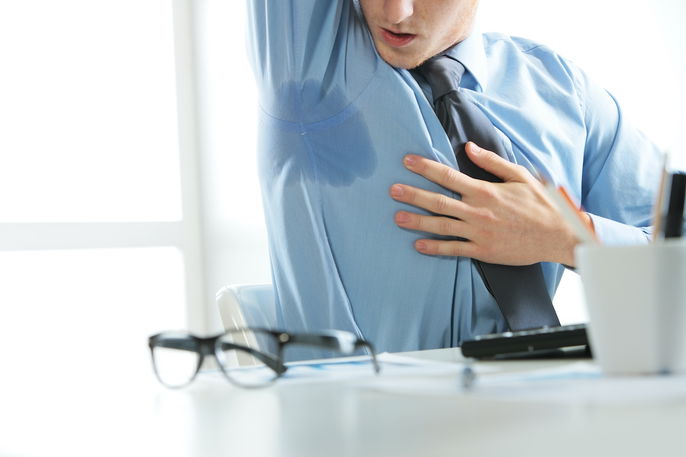
Main symptoms
The most common symptoms of bromhidrosis include:
-
Unpleasant body odor, even with proper hygiene;
-
Excessive sweating in the affected area;
-
Odor that worsens after physical activity;
-
Peeling or flaking skin.
In addition to these physical symptoms, bromhidrosis can cause embarrassment, anxiety, and low self-esteem, which may negatively impact a person’s quality of life.
Bromhidrosis can appear in different areas of the body where apocrine glands are concentrated. Diagnosis should be made by a dermatologist or primary care provider, who can recommend the most appropriate treatment depending on the type of bromhidrosis.
Also recommended: Why Do My Feet Smell So Bad? 10 Causes (& What to Do) tuasaude.com/en/why-do-my-feet-smell-so-badConfirming a diagnosis
A dermatologist can diagnose bromhidrosis based on an evaluation of symptoms, medical history, and a physical exam.
Usually, additional tests are not required. However, a doctor may order blood or urine tests to check for conditions such as diabetes or liver and kidney problems that could be contributing to bromhidrosis.
Different types
Depending on where it occurs, bromhidrosis can be classified into several types, the most common being:
-
Axillary bromhidrosis, which causes a strong odor in the armpits;
-
Plantar bromhidrosis, which affects the soles of the feet and is commonly known as foot odor or “smelly feet”;
-
Groin bromhidrosis, which develops in the groin area due to the overgrowth of microorganisms.
There is also hormonal bromhidrosis, in which the unpleasant smell is more widespread and linked to hormonal changes. This type is more common during adolescence.
Can symptoms occur even without sweating?
Yes, symptoms of bromhidrosis can occur even without excessive sweating.
This happens because bacteria naturally present on the skin can multiply even when there is little or no sweat. These bacteria break down keratin and other secretions on the skin, which leads to odor.
Possible causes
Bromhidrosis mainly occurs due to an imbalance in the skin’s microbiota.
When this happens, bacteria and fungi present on the skin multiply excessively and begin breaking down secretions produced by the apocrine glands and the keratin in the skin, resulting in an unpleasant odor.
Risk factors
Certain factors can increase the risk of developing bromhidrosis, including:
-
Poor personal hygiene or unwashed clothing;
-
Overweight or obesity;
-
Diabetes;
-
Frequent or excessive alcohol consumption;
-
Eating foods such as garlic, onions, or asparagus;
-
Hormonal changes;
-
Liver or kidney disease.
Other possible causes include phenylketonuria, trimethylaminuria, skin infections such as erythrasma or trichomycosis, or the use of medications like dupilumab or penicillins.
Treatment options
The main treatment options for bromhidrosis include:
1. Antiseptic or antibacterial soaps
A dermatologist may recommend antiseptic or antibacterial soaps for areas of the skin where the odor is stronger.
2. Antiperspirants or deodorants
Antiperspirant deodorants that contain aluminum salts can help reduce sweat production and prevent odor.
3. Antibiotic ointments
Topical antibiotic ointments, such as clindamycin or erythromycin, can help reduce the number of bacteria in the affected area.
However, antibiotics should only be used as a last resort, as overuse can cause bacteria to develop resistance, making the condition harder to treat.
4. Medical procedures
For people who sweat excessively, medical procedures that reduce the activity or number of sweat glands may be considered.
Some options include Botox injections, surgical removal of sweat glands, or laser therapy. These treatments should only be recommended by a dermatologist when other methods have not been effective.
5. Maintaining proper hygiene
Maintaining good hygiene is essential for controlling bromhidrosis, as it helps reduce bacteria in areas that produce more sweat.
It is recommended to:
-
Wash the skin daily, thoroughly cleaning the feet, armpits, and groin;
-
Dry the skin well after bathing, especially between the toes and under skin folds;
-
Always wash clothes well before wearing them again;
-
Choose loose, breathable cotton clothing;
-
Change socks and underwear daily;
-
Use antiperspirant or antibacterial sprays or foot powders;
-
Wear open shoes whenever possible.
In addition, it is important to keep areas with stronger odor, such as the armpits and groin, free of hair, since hair can trap dirt and bacteria, worsening the smell.