


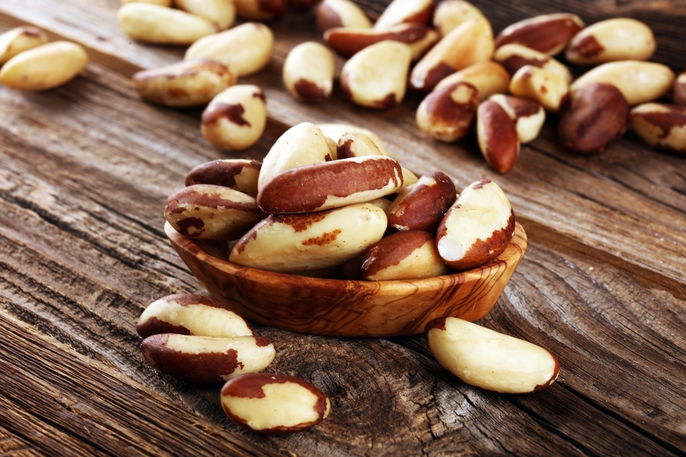
Brazil nuts are nutrient-dense nuts known for their high levels of selenium, fiber, healthy fats, and vitamins such as B-complex and vitamin E. They belong to the oilseed family, like almonds and walnuts, and come from the Brazil nut tree native to South America.
Rich in antioxidants, Brazil nuts may promote heart health, strengthen the immune system, and support brain and thyroid function. Their nutrient profile can also help lower cholesterol levels and may reduce the risk of certain cancers, including breast, prostate, and colon cancer.
Although Brazil nuts offer many health benefits, they should be eaten in moderation because they contain very high levels of selenium. Knowing their nutritional value, recommended portions, and potential side effects can help you include them as part of a well-balanced diet.
Health benefits
Brazil nuts have several health benefits, such as:
1. Promoting heart health
Brazil nuts are rich in antioxidants and other compounds such as selenium and vitamin E, which help lower LDL (“bad”) cholesterol and, in turn, may reduce the risk of heart diseases such as atherosclerosis and heart attack.
Brazil nuts also contain magnesium, fiber, and good fats like omega-3, which also help to reduce LDL cholesterol and increase HDL ("good") cholesterol. Brazil nuts also have arginine and resveratrol, compounds that improve blood circulation and help prevent clots.
2. Preventing cancer
Due to their high levels of selenium, vitamin E, and flavonoids, Brazil nuts may help prevent some types of cancer, particularly lung, breast, prostate, and colon cancer.
These compounds deliver potent antioxidant effects. They shield cells from free radical damage and enhance the body's natural immunity.
3. Supporting brain function
Brazil nuts are rich in selenium and vitamin E, nutrients with anti-inflammatory and antioxidant properties that help improve cognitive function and prevent diseases such as Alzheimer's, Parkinson's, and senile dementia.
Eating Brazil nuts can also boost mood, since low levels of zinc and selenium are linked to depression.
4. Maintaining healthy hair and nails
Regular consumption of Brazil nuts can promote healthier hair, skin, and nails thanks to their high levels of selenium, zinc, vitamin B, omega-3s, and vitamin E. These nutrients help strengthen hair and prevent hair loss, support skin healing while reducing premature aging and wrinkles, and fortify nails.
5. Lowering blood pressure
Brazil nuts are rich in arginine, magnesium, potassium, and antioxidants. These nutrients help relax blood vessels, improving blood circulation and lowering blood pressure.
6. Strengthening the immune system
Brazil nuts also strengthen the immune system with antioxidants like selenium, which help reduce inflammation. They're also rich in zinc and vitamin E, key nutrients that protect against infections and may prevent common illnesses like colds and flu.
7. Helping to regulate the thyroid
Selenium and zinc are essential minerals needed for thyroid hormone production. Low levels of these minerals can lead to hypothyroidism and other thyroid disorders. While not fully proven, eating Brazil nuts may help regulate thyroid function and benefit those with related issues.
8. Providing energy
Brazil nuts are rich in healthy fats, primarily polyunsaturated and monounsaturated, which provide sustained energy for the body. They’re also a good source of protein and potassium, both of which support muscle growth and recovery.
9. Promoting weight loss
Brazil nuts can support weight loss when included in a healthy, balanced diet. They provide selenium, a micronutrient that aids energy metabolism in the liver, adipose tissue, and skeletal muscle.
Selenium also promotes thermogenesis (fat burning), helping combat obesity and related metabolic conditions.
10. Supporting muscle growth
In addition to providing energy to the body, Brazil nuts also contain protein and selenium, both of which promote muscle growth. Potassium in Brazil nuts aids muscle recovery and helps prevent exercise-related cramps.
Brazil nuts also contain magnesium, a mineral that enhances muscle performance and boosts strength during workouts.
Nutrition facts
The following table provides nutritional information for a 100 g serving of Brazil nuts:
To get all the benefits mentioned above, it's important to include Brazil nuts in a healthy, balanced diet.
How to consume
To get the benefits of Brazil nuts, eat just 1 per day, about 5 days a week.
Avoid more than 10 g daily, as larger amounts can lead to issues like pain, muscle weakness, and spots on the fingernails.
Store Brazil nuts in a cool place away from sunlight to preserve their beneficial properties. They can be enjoyed raw or added to fruits, smoothies, salads, cereals, and desserts.
Brazil nut farofa
Ingredients
- 2 tablespoons of butter;
- 2 tablespoons of chopped onion;
- 2 cloves of garlic, crushed;
- 60 g of crushed Brazil nuts;
- 100 g of raw cassava flour;
- Salt and black pepper to taste.
Directions
Sauté the onion and garlic in butter until softened, then add the Brazil nuts and cassava flour. Braise the mixture for about 5 minutes, stirring occasionally.
Season with salt and pepper, then cook for another 5 minutes while stirring continuously. Turn off the heat and serve immediately.
Side effects
Eating too many Brazil nuts, such as 50 at once, can lead to selenium toxicity. According to the NIH Office of Dietary Supplements, the tolerable upper intake level for selenium in adults is 400 mcg per day, and too much selenium can cause symptoms such as nail changes, hair loss, and nausea. Serious symptoms may include shortness of breath, fever, and damage to organs including the liver, kidneys, and heart.
Some people may also be allergic to Brazil nuts, causing symptoms such as redness and itching of the skin and, in more severe cases, shortness of breath, swelling of the mouth, nose and eyes and difficulty breathing.
Some people may also experience an allergic reaction to Brazil nuts. Mild symptoms include skin redness and itching, while severe reactions can involve shortness of breath, swelling of the mouth, nose, and eyes, and difficulty breathing.