


A botfly is a type of parasite that can infest human or animal skin, causing sores, redness, and pain. These flies lay eggs on the skin, and when the larvae hatch, they burrow under the surface and begin to develop.
The main symptoms of a botfly infestation include itching, swelling, a foul odor, and even a sensation of movement under the skin. In some cases, bleeding and loss of appetite may also occur as the larvae grow.
Recognizing botfly symptoms early is important to prevent complications and ensure proper treatment. Understanding how the botfly develops, the signs to look for, and the available treatment options can help with effective management of this condition.
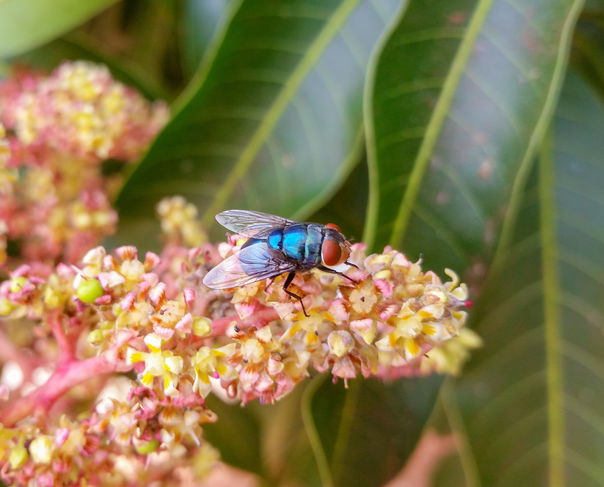
Botfly removal
Before removing the larva, it's important to verify whether it is already dead, as small fragments of the larva's body could be left inside the skin, making the removal much more difficult. This procedure should always be guided by a physician, but one of the ways of doing it at home is to put a piece of tape over the wound and leave it for about an hour. This will asphyxiate the larva to make removal easier.
After that, the tape should be removed and, on removal, it is necessary to check if the larva has also been removed with it. If not, extra pressure on the outside borders must be applied, to try and get it out. After removing the larva is important to treat the region with a antibiotic ointment, which can be prescribed by a doctor, to prevent further infection by bacteria.
If this is ineffective, the removal of the larva should be done by a doctor with the use of special tweezers. In more severe cases, it may be necessary to perform a minor surgery to cut the skin and widen the hole, allowing the larva to be removed.
Main symptoms
The main symptoms of a botfly infestation are:
-
Skin sores
-
Redness and mild swelling at the affected site
-
Pain or itching in the wound
-
Loss of appetite
-
Sensation of movement under the skin
-
Foul odor
-
Bleeding from the wound
These signs and symptoms usually appear after the female botfly lays her eggs on the skin. Within about 6 days, the larvae hatch and quickly burrow into the skin.
Confirming a diagnosis
The diagnosis of a botfly is typically confirmed by a dermatologist or infectious disease specialist by assessing the signs and symptoms that the person presents with. The doctor will also take into account whether or not the person has traveled to a risk region.
In some cases, the doctor may recommend dermoscopy, which is a non-invasive method of evaluating the skin.
Prevention measures
Some of the best ways to avoid getting a botfly infection, especially when traveling to a tropical country, include:
- Closing all windows and doors after it gets dark;
- Using nets on the windows;
- Avoid having food or liquids accumulating indoors;
- Using mosquito repellent.
In addition, in tropical regions it is recommended to iron all clothing before dressing, especially if it has been sun drying, since the eggs of the fly may stick to the fabric.