


A bone scan is an imaging test that doctors may order when a person has bone pain, infection, or injuries that cannot be detected with other tests. It helps diagnose conditions such as infections, arthritis, fractures, or changes in blood flow to the bones.
This test is also used to check the condition of bone prostheses and detect bone metastases, which happen when cancer from another part of the body spreads to the bones.
During a bone scan, a small amount of a radiopharmaceutical such as technetium or gallium is injected into a vein. These substances are absorbed by diseased bone tissue. A special camera then detects the radiation and produces detailed images of the skeleton.
Why is it ordered?
A bone scan may be ordered by a doctor in the following situations:
-
Bone metastases caused by cancers such as breast, prostate, or lung
-
Changes in bone metabolism
-
Bone pain not explained by other tests
-
Bone infections, such as osteomyelitis
-
Osteonecrosis
-
Arthritis
-
Primary bone tumors
-
Fractures caused by osteoporosis
-
Paget’s disease
-
Reflex sympathetic dystrophy
-
Bone infarction
-
Evaluation of bone graft viability
Orthopedic doctors may also order a bone scan to evaluate infections or loosening of bone prostheses.
Other types of nuclear medicine scans can also be done in different organs, such as the lungs, to detect various conditions.
Preparation for testing
A bone scan usually does not require fasting or special preparation, and regular medications can generally be continued. However, it is important to inform the doctor about all medications currently being used.
Comfortable clothing without buttons or metal parts, such as zippers or belt buckles, is recommended. Jewelry and accessories like earrings, necklaces, watches, or bracelets should also be avoided.
Breastfeeding women should stop nursing on the day of the test and for 48 hours afterward, and avoid close contact with the baby during that period.
How it is done
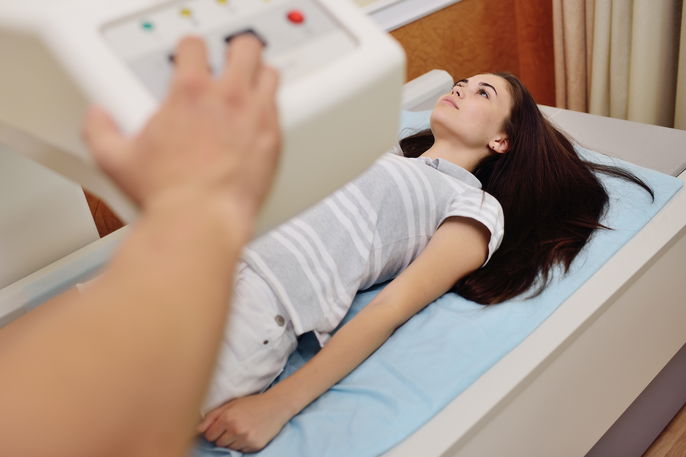
A bone scan is performed in a hospital or imaging clinic. It can be used to examine a specific area or the entire body. The test begins with an injection of the radiopharmaceutical, which is given in a safe dose despite being radioactive.
The exact process depends on the type of scan requested:
1. Conventional bone scan
After the radiopharmaceutical is injected, it takes about 2 to 4 hours for it to spread throughout the body. The images are then captured with the bone scan equipment.
2. Three-phase bone scan or bone scan with blood flow
The first image is taken immediately after the injection to evaluate blood flow in the bones. About 4 hours later, a second image is taken to check blood distribution in the bone structure. Finally, images are analyzed to see how the bones absorbed the radiopharmaceutical.
Between the injection and image acquisition, drinking 6 to 8 glasses of water is recommended to help flush out the radiopharmaceutical that was not absorbed by the bones. Urinating before the scan also helps empty the bladder for clearer images.
The imaging is done using a special camera that records skeletal images on a computer. The scan itself usually takes 30 to 40 minutes.
For the first 24 hours after the test, drinking at least 8 glasses of water is recommended to stay hydrated and help eliminate the substance from the body. Contact with pregnant women and babies should be avoided for 48 hours, since they are more sensitive to the radioactive material released during this period.
Understanding the results
The results of a bone scan are provided by the doctor, who describes the findings in the report. Two main patterns may be seen:
-
Hot spots: darker areas that show increased absorption of radiation, which may suggest inflammation, fractures, or bone metastases
-
Cold spots: lighter areas with reduced absorption of the radiopharmaceutical, which may indicate reduced blood flow or a benign tumor
All results must be reviewed by the doctor who ordered the test, to confirm the diagnosis and recommend the most appropriate treatment if needed.
Contraindications for testing
A bone scan should not be performed by women who are pregnant or suspected of being pregnant. It should also be avoided during breastfeeding unless absolutely necessary, and only under strict medical guidance.