


Blepharitis is an inflammation that affects the edges of the eyelids, causing symptoms like crusting, redness, discharge, swelling, and a gritty sensation in the eyes.
This condition is fairly common and can appear suddenly in people of any age. It occurs when the Meibomian glands in the eyelids don’t function properly, leading to changes in the oils that keep the eyes moist.
Treatment for blepharitis should always be guided by an ophthalmologist and usually involves using eye drops to clean and hydrate the eyes. In cases of infection, antibiotic eye drops or ointments may also be prescribed.
Main symptoms
The most common symptoms of blepharitis include:
-
Crusting or flaking on the eyelids
-
Red, swollen eyelids
-
Itchy or irritated eyes
-
Feeling like there’s something in the eye
-
Constant tearing
-
Sensitivity to light
Other possible symptoms include eyelash loss and eyelids sticking together during sleep, which can make it difficult to open the eyes in the morning.
If you notice these symptoms, it’s important to see an ophthalmologist to confirm the diagnosis and start the right treatment.
Is blepharitis serious?
Blepharitis is not considered a serious condition since it doesn’t cause permanent eye damage and is not contagious.
However, it can be uncomfortable and persistent. Following your doctor’s treatment plan helps relieve symptoms and prevent flare-ups.
Confirming a diagnosis
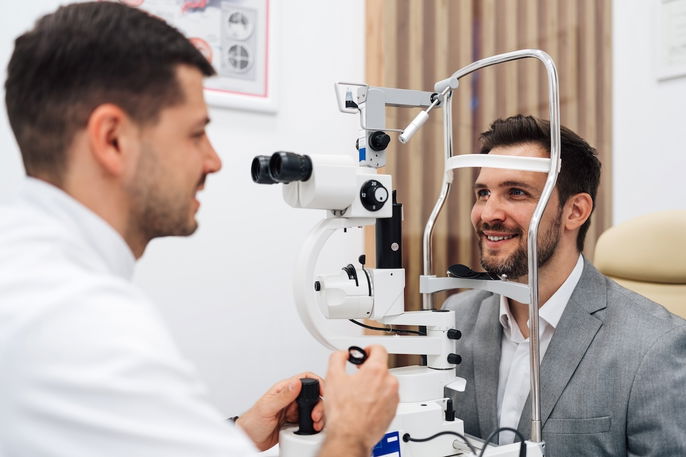
An ophthalmologist can diagnose blepharitis through a physical examination and review of symptoms and medical history. Using a slit-lamp microscope, the doctor examines the eyelids and other eye structures to identify signs of inflammation.
In most cases, no additional testing is needed. However, for chronic blepharitis, especially when eyelash loss occurs, a skin biopsy of the eyelid may be ordered to rule out other conditions such as eyelid cancer.
Possible causes
The most common cause of blepharitis is dysfunction of the Meibomian glands, which produce the oily layer of tears that helps keep the eyes lubricated.
When these glands become blocked or produce too much oil, bacteria can build up, leading to inflammation.
Blepharitis can also be triggered by viruses or microscopic skin mites that naturally live on the skin, such as Demodex species.
Who is at higher risk
You may have a higher risk of developing blepharitis if you have:
-
Seborrheic dermatitis on the face
-
Rosacea
-
Atopic dermatitis
-
Allergies to eye drops, makeup, or eyelash extensions
An ophthalmologist can help identify the cause and recommend the most effective treatment.
Types of blepharitis
There are several types of blepharitis, each with slightly different causes and symptoms.
1. Anterior blepharitis
This type affects the outer edge of the eyelid, where the eyelashes grow.
It can be caused by bacterial infections, seborrheic dermatitis, rosacea, or an overgrowth of Demodex folliculorum mites.
2. Posterior blepharitis
This type affects the inner edge of the eyelid, near the eyeball.
It’s usually linked to Meibomian gland dysfunction, which leads to blocked glands and inflammation. Posterior blepharitis is often associated with acne rosacea or overgrowth of Demodex brevis mites.
3. Ulcerative blepharitis
Ulcerative blepharitis is caused by bacterial infections, most commonly Staphylococcus aureus, and is also called staphylococcal blepharitis.
It can lead to small sores or bleeding along the eyelid edges.
4. Viral blepharitis
This form is caused by viral infections, such as herpes simplex or varicella-zoster (shingles).
5. Seborrheic blepharitis
Seborrheic blepharitis occurs with seborrheic dermatitis, leading to greasy scales and flaking on the eyelids.
It’s caused by excess oil production from the Meibomian or Zeiss glands.
6. Non-ulcerative blepharitis
This type doesn’t cause open sores and is often triggered by allergic reactions.
7. Allergic blepharitis
Allergic blepharitis is caused by allergic reactions that lead to eyelid inflammation.
Common triggers include makeup, eyelash extensions, cosmetics, eye drops, or eye ointments.
It’s also sometimes referred to as scaly blepharitis.
8. Acute blepharitis
Acute blepharitis appears suddenly and usually causes stronger symptoms that respond quickly to treatment.
It may be either ulcerative or non-ulcerative.
9. Chronic blepharitis
Chronic blepharitis causes persistent or recurring symptoms that can last for months or even years.
Treatment options
Blepharitis can be treated with a combination of the following approaches:
1. Warm compresses
Applying warm compresses helps loosen crusts and oils on the eyelids while improving gland function.
Use the compress for 5 to 10 minutes, especially before cleaning your eyelids.
For allergic blepharitis, cold compresses may be better for reducing swelling and irritation.
2. Eyelid hygiene
Keeping your eyelids clean is one of the most important parts of blepharitis treatment. It helps remove buildup and bacteria from the eyelid margins.
To clean the eyelids, use a cotton pad or swab moistened with a solution of half a cup of warm water mixed with 2 to 3 drops of baby shampoo or a gentle eyelid cleanser containing tea tree oil. Wipe the eyelids and lashes gently, then rinse with clean water.
Avoid using too much shampoo, as it can irritate the eyes or cause dryness. Always clean your eyelids after applying warm compresses.
3. Eyelid massage
For posterior blepharitis, your doctor may recommend gently massaging the eyelids to help unblock the Meibomian glands.
Use clean fingers or a cotton pad to make light circular motions along the eyelid edges.
4. Medication for blepharitis
Depending on the type and severity, your ophthalmologist may prescribe:
-
Antibiotic eye drops or ointments, such as bacitracin or erythromycin
-
Oral antibiotics, such as doxycycline
-
Corticosteroid ointments
-
Antiviral medications, such as valacyclovir
-
Artificial tears or lubricating eye drops
Avoid using makeup or contact lenses during treatment to allow the eyelids to heal properly.
Treatment may take a few weeks to a couple of months. In chronic or recurrent cases, other underlying skin or eye conditions may need to be treated as well.
5. Home remedies
A diet rich in anti-inflammatory foods like salmon, oranges, and acerola cherries may help support recovery.
Warm chamomile compresses can also calm irritation and reduce inflammation.
How to clean your eyes
To clean your eyes properly:
-
Wash your hands thoroughly with soap and water.
-
Apply a warm compress to the affected eyelid for 5 to 10 minutes.
-
Massage the eyelid gently in circular motions, top to bottom for the upper eyelid and bottom to top for the lower one.
-
Clean the eyelid with a cotton pad or swab soaked in the cleansing solution.
-
Look up while cleaning the lower eyelid and close your eye while cleaning the upper eyelid.
-
Wash your hands again after finishing.
This routine should be done 2 to 4 times a day while symptoms are present.
For chronic blepharitis, daily eyelid hygiene is recommended long-term to help prevent flare-ups.