


Black pepper is a spice rich in antioxidant and thermogenic bioactive compounds that help prevent heart disease and accelerate the metabolism to promote fat burning and weight loss.
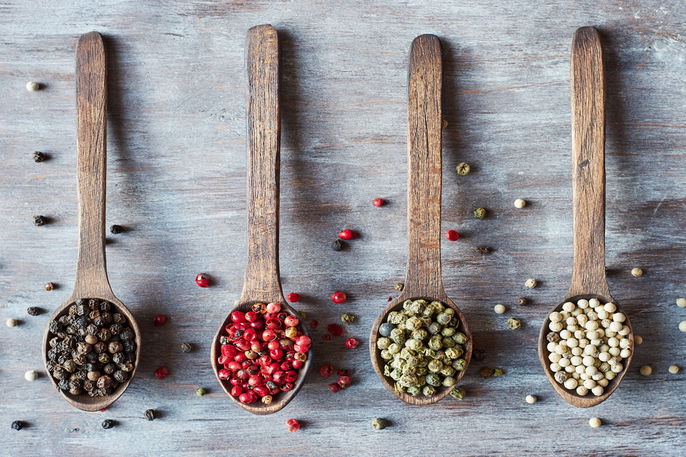
There are various types of black pepper (Piper nigrum), including include black, green, white, and red peppercorns, that differ primarily based on when they are harvested, processing methods, flavor, and spiciness of the berries.
Black pepper comes in the form of peppercorns or ground pepper and can be used to season meat, pasta, soups, and salads. It can also be used for medicinal purposes in the form of a tea or an essential oil.
Health benefits
The main benefits of black pepper are:
1. Promoting weight loss
Black pepper has large quantities of capsaicin, a thermogenic compound that accelerates metabolism and stimulates fat burning in the body to help promote weight loss.
Black pepper also slows down digestion, prolonging satiety (feeling of fullness) throughout the day and thus contributing to weight loss.
Check out other thermogenic foods.
2. Improving digestion
The flavonoids, piperine, and coumarin found in black pepper help improve digestion by stimulating secretion of digestive enzymes by the pancreas, liver, and stomach.
3. Boosting libido
Black pepper improves blood flow and increases body temperature, which can boost libido.
The capsaicin in black pepper also acts on the nervous system, triggering the release of endorphins, which are hormones that stimulate feelings of pleasure.
See aphrodisiac foods.
4. Relieving pain
Black pepper contains capsaicin, limonene, caryophyllene, and linalool, which are bioactive compounds with analgesic and anti-inflammatory action that help relieve pain due to headaches, muscle aches, fibromyalgia, torticollis, and rheumatoid arthritis.
5. Preventing cardiovascular disease
Black pepper is rich in antioxidants that inhibit oxidation of fat cells, helping balance levels of LDL ("bad") cholesterol in the blood and preventing cardiovascular diseases like heart attack, thrombosis (blood clots), and atherosclerosis.
Black pepper also helps maintain healthy arteries, facilitating blood flow and preventing high blood pressure.
6. Avoiding diabetes
Capsaicin is a bioactive compound present in black pepper that helps regulate insulin release in the blood, balancing blood sugar levels and preventing insulin resistance and diabetes.
7. Improving mood
Black pepper contains tryptophan, magnesium, flavonoids, and capsaicin, bioactive compounds that boost mood by promoting relaxation, feelings of pleasure, and a sense of well-being.
8. Protecting against premature aging
The antioxidant compounds found in black pepper, such as piperine, linalool, and capsaicin, protect skin cells against damage caused by free radicals, preventing sagging skin, wrinkles, and other signs of premature aging.
9. Strengthening the immune system
Black pepper contains piperine, a bioactive compound with immunomodulatory action that inhibits production of pro-inflammatory cytokines and strengthens the immune system, helping combat viruses, bacteria, and fungi.
10. Maintaining brain health
Black pepper is rich in bioactive compounds with antioxidant and anti-inflammatory properties, such as flavonoids, piperine, and capsaicin, which help preserve brain health and function.
11. Helping prevent cancer
The antioxidants found in black pepper, such as piperine, limonene, and coumarin, may help prevent cancer by helping protect healthy cells from the effects of free radicals.
More studies are needed, however, to confirm this potential benefit.
Different types
The main types of black pepper are:
- Black peppercorns: the most common type, made from unripe berries that are harvested and dehydrated. During the drying process, the skin of the fruit darkens and becomes wrinkled. This type of peppercorn has a strong, spicy flavor;
- White peppercorns: made from the more mature berries that are soaked in water for several days, causing the skin to soften. The berries are then dried, resulting in white peppercorns. This type of peppercorn has a milder taste than black peppercorns;
- Green peppercorns: made from the unripe berries, like black peppercorns, except in this case the unripe berries are harvested and conserved in brine. Green peppercorns have a spicy, refreshing flavor with notes of herbs and lemon.
Red peppercorns are the rarest type of black pepper, made from ripe berries that are left to mature the longest, until they turn red. This type of peppercorn has a spicy and fruity flavor.
Black pepper vs. pink peppercorns
Pink peppercorns are the fruit of the Brazilian peppertree (Schinus terebinthifolius) and have a milder, fruitier taste.
Black pepper comes from the fruit of the Piper nigrum plant and has a spicier, more bitter flavor.
Is black pepper safe during pregnancy?
Yes, black pepper is safe during pregnancy and is not harmful to the pregnant person or the fetus.
Pregnant people experiencing nausea, heartburn, or acid reflux should avoid black pepper, however, as it may cause a worsening of symptoms.
Nutrition facts
The following table provides nutritional information for 10 g of black pepper, which is the equivalent of about 1 Tbsp of peppercorns:
To obtain all of the benefits listed above, it is necessary to also maintain a healthy, well-balanced diet in combination with regular physical activity.
How to use
Black pepper can be used in the form of peppercorns or ground pepper to season meats, pasta, soups, and salads.
This spice can also be used for medicinal purposes in the form of tea, an essential oil, and capsules.
1. Black pepper tea
Black pepper tea may be recommended to help with digestion, alleviate pain, and support weight loss.
Ingredients:
- 2 tsp dried peppercorns;
- 1 cup water;
- 1 tsp honey.
Directions:
Bring the water to a boil in a pot on the stove. Remove from the heat and add the peppercorns. Cover with a lid and let steep for 5 minutes. Strain and drink right away.
It is important to remember that there are still no studies showing the ideal amount of black pepper tea to consume per day. For this reason, it is recommended to consult a doctor or herbal medicine specialist before drinking black pepper tea.
2. Black pepper essential oil
Black pepper essential oil can be used in aromatic necklaces, compresses, or during a massage to stimulate metabolism, relieve pain, and boost libido.
For aromatherapy purposes, simply place 8 drops of black pepper essential oil into the water of a diffuser.
3. Black pepper capsules
Black pepper capsules are usually combined with turmeric and contain an average amount of 300 to 1000 mg per capsule. The recommended dose for this supplement is typically between 1 and 3 capsules a day.
The recommended dose will vary, however, based on an individual's health status and the reason for taking. For this reason, it is advised to consult a doctor before taking this supplement.
Is black pepper bad for you?
When consumed in large quantities, black pepper can cause burning and irritation in the throat and the stomach.
Black pepper essential oil may also cause irritation in people with sensitive skin.
Contraindications to use
People with gastritis, ulcers, pancreatitis, hemorrhoids, reflux, or high blood pressure should only use black pepper is approved by a doctor or other healthcare provider.
People who take medications like anticoagulants should talk to their doctor before using black pepper, as it may interfere with the effects of certain medications. Make sure to tell your doctor about any medications you are taking.
Black pepper tea, capsules, and essential oil are not recommended for people who are pregnant or breastfeeding and should not be given to children.