


Black beans nutrition includes high amounts of saponins, flavonoids, and anthocyanins. These bioactive compounds have antioxidant properties that help fight free radicals and support the immune system.
Black beans are also a good source of fiber. Fiber can help lower LDL (“bad”) cholesterol, ease constipation, support longevity, and help with blood sugar control.
Black beans can be eaten cooked in salads and soups. They can also be used as a base for foods like breads, desserts, burgers, pasta, or pizza crust.
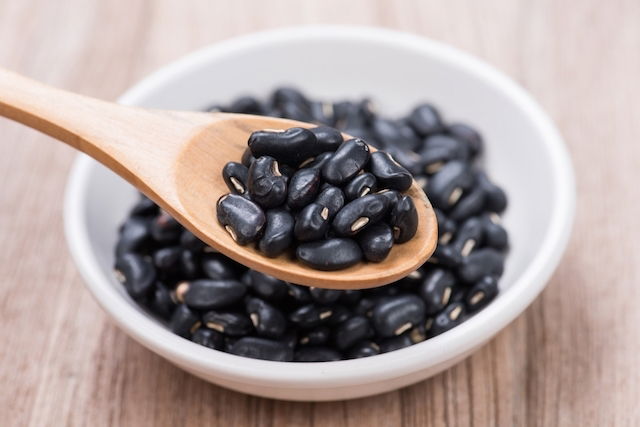
Health benefits
The main health benefits of black beans include:
1. Lowering cholesterol levels
Black beans can help lower LDL (“bad”) cholesterol because their fiber helps reduce fat absorption in the intestines.
They also contain antioxidants such as anthocyanins and quercetin, which may help reduce inflammation in blood vessels and lower the risk of atherosclerosis and other cardiovascular problems.
In addition, according to the American Heart Association, replacing some animal proteins with beans and other legumes can help lower blood cholesterol, a key risk factor for heart disease.
2. Supporting longevity
Black beans are rich in polyphenols, quercetin, and anthocyanins, which are antioxidant compounds that help protect cells from free radicals.
By helping reduce oxidative stress, black beans may support longevity and life expectancy.
3. Reducing cancer risk
Black beans may help reduce the risk of certain cancers, such as colon cancer, because they provide fiber and antioxidants.
They also contain folate, copper, iron, potassium, polyphenols, and anthocyanins, which have antioxidant and anti-inflammatory actions and may help prevent DNA mutations that can contribute to cancer cell formation.
4. Preventing anemia
Black beans may help prevent anemia because they contain iron, a mineral involved in making hemoglobin.
Hemoglobin carries oxygen from the lungs to the rest of the body and is often low in cases of anemia.
5. Supporting digestive health
Because they provide fiber that supports regular bowel movements, black beans can help maintain digestive health and prevent or relieve constipation.
They also contain resistant starch, a type of carbohydrate that passes through the small intestine undigested. This type of starch serves as a prebiotic, nourishing beneficial gut bacteria and supporting overall gut health.
6. Helping with weight maintenance or weight loss
Black beans can help with weight maintenance or weight loss because they contain fiber and protein, which can slow digestion and help keep you feeling full longer.
They are also relatively low in calories and fat, which can make them a helpful addition to many eating plans.
7. Preventing high blood pressure
Black beans contain potassium, magnesium, and folate, minerals that can help relax arteries, support healthy circulation, and help the body eliminate excess sodium.
Because of this, black beans may help prevent high blood pressure.
8. Supporting blood sugar control
Black beans have a low glycemic index, which can slow carbohydrate absorption and help support steadier blood sugar levels. Their protein content may also help reduce post-meal blood glucose in adults with normal glucose tolerance or prediabetes.
According to the CDC, the dietary fiber found in black beans can support blood sugar control and weight management, especially in people with diabetes or prediabetes.
9. Preventing osteoporosis
Black beans provide phosphorus and potassium, minerals that are important for bone formation and maintenance.
They may also help reduce calcium loss in urine, which can support bone health and help prevent osteoporosis.
10. Supporting muscle gain
Eating black beans with rice can help support muscle growth because together they provide a high-quality source of protein.
Do black beans cause weight gain?
Because black beans are relatively low in calories, eating moderate portions generally does not cause weight gain.
However, when included in a high-calorie diet and/or paired with little physical activity, black beans can contribute to weight gain.
This is because no single food causes weight gain on its own. Weight gain depends on consuming more calories than the body uses each day.
Nutrition facts
The table below provides nutritional information for 100 g (about 6 tablespoons) of cooked black beans:
To get the benefits of black beans, it is also important to maintain a balanced diet and exercise regularly.
How to prepare
Before cooking black beans, soak the dried beans in cold water for at least 12 hours. Then discard the soaking water and cook the beans in fresh water before eating.
Black beans contain oxalic acid, phytic acid, saponins, and protease inhibitors, which, when consumed in excess, can reduce the absorption of protein, iron, and other nutrients.
They also contain raffinose, stachyose, and verbascose, compounds the body does not digest well and that may cause gas, bloating, and cramps.
The recommended intake of legumes, including black beans, is 3 tablespoons per day. They can be used in salads, soups, or as a base for breads, desserts, burgers, pasta, or pizza crust.
Healthy recipes
Some healthy and tasty recipes with black beans include:
1. Cooked black beans
Ingredients:
-
2 cups dried black beans;
-
10 cups water;
-
2 bay leaves;
-
1 onion, diced;
-
2 tablespoons olive oil;
-
2 cloves garlic, minced;
-
Salt and black pepper to taste.
Directions:
Rinse the beans in a strainer. Place them in a bowl with 4 cups of water and soak for 12 hours.
Discard the soaking water and add the beans to a pressure cooker. Add 6 cups of water and the bay leaves, cover, and cook over medium heat. Once it reaches pressure, cook for 10 more minutes.
Turn off the heat and let the pressure release completely before opening. In a skillet, heat the olive oil and sauté the garlic, onion, salt, and black pepper for 3 to 5 minutes, or until well browned.
Add this mixture to the pressure cooker and stir well with a spoon or spatula. Return to heat and simmer uncovered for 5 to 10 minutes. Turn off the heat and serve.
2. Bean salad
Ingredients:
-
3 cups cooked black beans, drained;
-
1 tomato;
-
1 red onion;
-
½ red bell pepper;
-
2 tablespoons olive oil;
-
1 tablespoon lemon juice;
-
2 tablespoons chopped cilantro;
-
Salt and black pepper to taste.
Directions:
Wash the tomato, onion, and bell pepper well. Dice the tomato and bell pepper, and thinly slice the onion.
Place all ingredients in a serving dish and mix well. Serve immediately.