


Bitter orange is a medicinal plant from the species Citrus aurantium. It is widely used as a dietary supplement to support obesity treatment because it contains p-synephrine, which may help reduce appetite and increase metabolism.
It may also be used as an aid in the management of indigestion, insomnia, stress, headache, or constipation. This is linked to its anti-inflammatory, antiseptic, relaxing, digestive, and diuretic actions.
Bitter orange is also known as sour orange, Seville orange, and China orange. It can be eaten as a whole fruit or used to make tea, juice, preserves, jams, and sweets, and it is also sold as an essential oil in natural health stores.
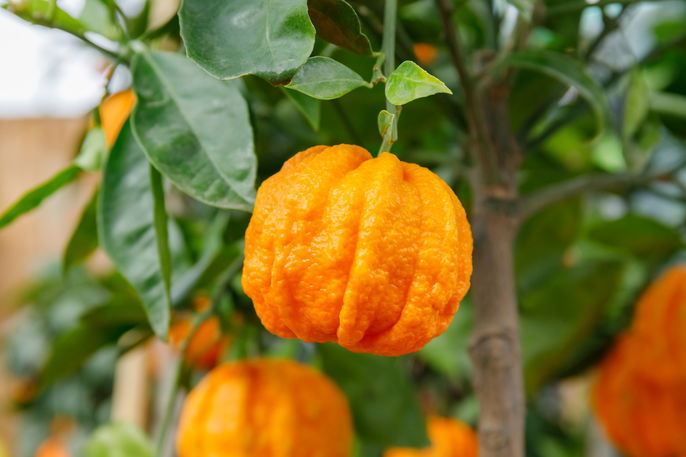
Indications for use
Bitter orange is indicated as a complementary treatment for:
-
Obesity;
-
Diabetes;
-
Indigestion, constipation, and/or excess gas;
-
Stress;
-
Insomnia;
-
Headache;
-
Scurvy;
-
High uric acid;
-
Arthritis.
Bitter orange is rich in p-synephrine, vitamins C and A, phosphorus, calcium, iron, and fiber. These components are associated with appetite-suppressing, laxative, anti-inflammatory, anti-rheumatic, antiseptic, calming, digestive, cleansing, diuretic, antiparasitic, and antidepressant properties.
Although bitter orange has these properties, it should not be used as a substitute for prescribed medical treatment. Its use should be supervised by a doctor or a qualified herbal medicine specialist.
How to use
Bitter orange can be eaten as a whole fruit or used to make juice. The leaves, peel, flowers, and fruit can also be used to make tea or essential oil.
1. Bitter orange peel tea
Bitter orange peel tea may be used to support weight loss, relieve constipation, or help lower uric acid levels in the blood.
Ingredients
-
2 tablespoons of bitter orange peel;
-
1 liter of water.
Directions
Bring the water to a boil, turn off the heat, and add the bitter orange peel, letting it steep for about 10 minutes. Then strain, let it cool slightly, and drink 1 cup at least 3 times a day.
2. Bitter orange leaf tea
Bitter orange leaf tea may be used as an aid in the treatment of insomnia and stress due to its calming and sedative properties.
Ingredients
-
2 tablespoons of dried bitter orange leaves;
-
1 liter of water.
Directions
Place the ingredients in a pot and simmer over low heat for about 15 minutes. Then turn off the heat and let it steep for 10 to 15 minutes. Strain, let it cool slightly, and drink 2 cups at night before going to bed.
3. Bitter orange essential oil
Bitter orange essential oil can be extracted from the peel or leaves and used in aromatherapy to help promote relaxation and calm, and to reduce insomnia and stress.
To use bitter orange essential oil for aromatherapy, add 3 to 4 drops of the oil and a small amount of water to an electric aromatizer or room diffuser. The mist or vapor helps disperse the aroma throughout the room.
Another way to use bitter orange essential oil is to mix 2 drops of the essential oil into a few drops of a carrier oil, such as coconut oil or sweet almond oil. Then apply it to the skin on the inside of the wrist and inhale.
When applying bitter orange essential oil diluted in a carrier oil to the skin on your wrist, avoid sun exposure for up to six hours afterward. Using sunscreen is also advised to help prevent skin irritation or burns.
4. Bitter orange capsules
Bitter orange capsules should be taken only under the guidance of a doctor or registered dietitian. The appropriate dose can vary depending on the specific product, its synephrine content, and individual health factors.
Side effects
Bitter orange is considered safe when consumed as food or as juice, as long as it is not used in excess.
However, when used as tea or capsules, the higher amount of synephrine and its stimulating effect may increase the risk of side effects. According to the National Center for Complementary and Integrative Health (NCCIH), some studies indicate that bitter orange can raise blood pressure and heart rate. Other side effects may include headache, nervousness, or increased sensitivity to light.
In addition, applying essential oil to the skin may cause burns if the skin is exposed to sunlight.
Another possible side effect is an allergic reaction, especially in people with allergies to citrus foods, pollen, or other plants. Vomiting, diarrhea, or abdominal pain may occur, and in these cases medical care should be sought immediately.
Contraindications for use
The main contraindications to bitter orange use are:
-
High blood pressure;
-
Glaucoma;
-
Arrhythmia and other heart conditions;
-
Allergy to pollen or citrus foods.
When used as food, bitter orange appears to be safe during pregnancy and breastfeeding. However, the use of tea, essential oil, or capsules is contraindicated.
Bitter orange should also be used with caution in people with diabetes, as it may lower blood sugar and cause hypoglycemia. Due to its stimulating effects, use should be stopped at least 2 weeks before any surgery.
According to the American Society of Anesthesiologists (ASA), herbal and dietary supplements should be disclosed before surgery because they can affect anesthesia and safety during procedures.