


Bilirubin in the urine is usually an abnormal finding, as bilirubin is not a substance that is typically eliminated by the kidneys. Having bilirubin in the urine is usually sign of a liver problem (like hepatitis or cirrhosis), a biliary tract issue (like gallstones) or excessive red blood cell breakdown.
Bilirubin in the urine can lead to symptoms like yellow skin (jaundice), pale-colored stools, dark urine, skin itching and nausea. Direct (conjugated) bilirubin is the type most often found in urine, since unconjugated bilirubin is not water-soluble and cannot pass through the kidneys.
Also recommended: Bilirubin: Types, Normal Ranges & What Causes High Levels tuasaude.com/en/bilirubinTreatment for bilirubin in the urine depends on the underlying cause, and may involve the use of medications to treat liver injury, restore bile flow and prevent further damage, as well as IV fluids and possible surgery.
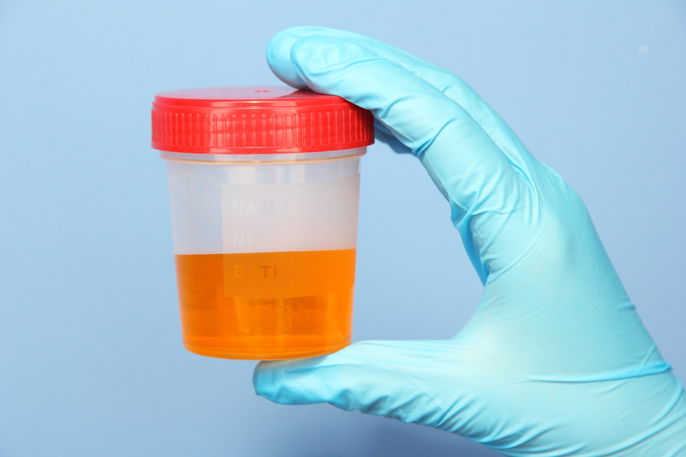
What does bilirubin in the urine mean?
The main causes of bilirubin in the urine are:
1. Hepatitis
Hepatitis is one of the main causes of bilirubin in the urine. Because of the liver inflammation, conjugated bilirubin is unable to exit along the normal elimination tract. It reenters the circulatory system, and is then filtered through the kidneys and eliminated in the urine.
Hepatitis is a liver inflammation that can occur due to a viral infection, recurrent medication use or an autoimmune disease.
Other common symptoms of hepatitis include fever, headache, abdominal swelling and light-colored stools. If left untreated, it can also cause jaundice, which is characterized by yellowing of the eyes and skin.
Learn more about the symptoms of hepatitis and what can cause this condition.
What to do: If you suspect you have hepatitis, you should see your family doctor for further testing, like bloodwork that looks for the hepatitis virus and evaluates the liver enzymes. The doctor may also order a urine test.
Once confirmed, the doctor can initiate treatment, which will depend on the type of hepatitis identified. The doctor will likely advise rest and increased fluid intake, as well as medications, like Interferon.
See the symptoms associated specifically with hepatitis A and when you should see a doctor.
2. Cirrhosis
Cirrhosis is characterized by chronic and progressive inflammation of the liver. It leads to decreased functioning of the liver and interferes with the flow of bilirubin into the bile ducts and intestines. Therefore, the bilirubin reenters the circulatory system and is then eliminated through the urine.
Hepatic cirrhosis can occur as a consequence of hepatitis, but it is usually related to alcohol abuse. Other common symptoms of cirrhosis include weakness, excessive fatigue, weight loss with no apparent cause, loss of appetite, muscular atrophy and renal failure.
Read more about liver inflammation and the symptoms associated with it.
What to do: Treatment is usually monitored by a family doctor or liver specialist, and will vary depending on the underlying cause. Most times, the doctor will advise discontinuation of any alcohol and recommend a balanced diet with adequate protein and vitamin supplementation to prevent nutritional deficiencies. Sodium restriction may also be recommended to prevent fluid retention.
Cirrhosis should be identified as quickly as possible to avoid further worsening of this condition, as severe damage may require a liver transplant.
3. Liver cancer
Just like hepatitis or cirrhosis, liver cancer is also associated with worsening inflammation of the organ. This can lead to the elimination of direct bilirubin through the urine.
Liver cancer is most frequent in people with fatty liver, and in those who use anabolic steroids frequently. Common symptoms of this type of cancer include abdominal pain, loss of appetite for no apparent reason, excessive fatigue, yellow eyes, and constant nausea.
What to do: If you suspect you have liver cancer, you should see a doctor immediately to order a work-up. Tests that doctor orders may include an abdominal ultrasound or CT scan, as well a blood work to look at your liver enzyme levels. Treatment will depend on the tumor size and location, but may include surgery, ablation, embolization, targeted therapy, immunotherapy, or liver transplantation.
Read more about the symptoms of liver disease you should not ignore.
4. Gallstones
Stones in the gallbladder or bile ducts can also cause bilirubin in the urine. This occurs because the stones obstruct the flow of direct bilirubin to the intestines. It is forced to reenter circulation, where it is then filtered through the kidneys and eliminated in the urine.
Gallstones usually occur due to changes to bile production, which can be triggered by your diet, lifestyle habits or prolonged use of birth control. The main sign of gallstones is biliary colic, which is an intense pain felt on the right side of the abdomen. Other common symptoms include loss of appetite, diarrhea and yellow eyes. Learn more about the causes symptoms of gallstones.
What to do: The most common form of treatment for recurrent gallstones is the surgical removal of the gallbladder. The patient is then advised to follow an appropriate diet that is rich in fruits, vegetables and whole grains and low in fatty or fried foods. Check out the natural remedies for gallstones that you can use a complement to your prescribed treatment.
5. Cholestasis
Cholestasis is characterized by reduced or totally blocked flow of bile from the liver, which can lead to the accumulation of bile in the liver and blood. It can lead to symptoms like itching, jaundice, light-colored stools, and dark urine.
This condition can be caused by liver inflammation (from a hepatitis virus or cirrhosis), medication, sepsis, pregnancy or an autoimmune condition, like primary biliary cholangitis.
What to do: Treatment for cholestasis is aimed at understanding the cause of reduced or interrupted biliary flow. Your doctor may order blood work and imaging tests (like a CT or MRI) to determine liver functioning.
Cholestasis caused by a full blockage (from gallstones or inflammation, for example) may require surgical interventions, while liver disease caused by an infection would require targeted treatment to eliminate the harmful pathogen.
6. Excessive red cell breakdown
Conditions that are characterized by excessive red cell breakdown, like hemolytic anemia and sickle cell disease, can also lead to bilirubin in the urine. Red blood cells are broken down into heme and globin. Heme is converted into unconjugated bilirubin in the spleen and liver, and stored in the liver.
The liver converts the unconjugated bilirubin to conjugated bilirubin, which is then excreted into bile and eliminated through the stool. However, very severe amounts of red cell breakdown may be difficult for the liver to process, leading to an accumulation of conjugated bilirubin in the body.
What to do: Once confirmed, the doctor will start treatment for the condition causing the excessive breakdown of red blood cells. For hemolytic anemia, your doctor will start corticosteroid medications and nutrient supplementation, while sickle cell disease is typically treated with medications like hydroxyurea and voxelotor, as well as anti-inflammatories to manage discomfort.
7. Toxic liver injury
Toxins, like excessive medication doses, illicit drugs, poison and alcohol abuse, can cause damage to liver cells, which affects how bile is processed and excreted. This can lead to an accumulation of bilirubin in the liver and blood, leading to bilirubin in the urine.
Medications that can lead to a toxic liver injury include acetaminophen, some antibiotics (like amoxicillin-clavulanate or nitrofurantoin), some anti-inflammatories (like diclofenac or ibuprofen), phenytoin, and some herbal extracts (like high-dose green tea extract supplements and kava).
What to do: The toxin causing liver injury should be discontinued immediately and the patient should seek immediate medical attention. Supportive care, like IV fluids, electrolyte correction and pain management, is often required, with treatment aimed at supporting liver function (with corticosteroids and antioxidants as needed).
8. Bile duct strictures or tumors
Narrowing of the bile ducts due to scarring (strictures) or tumors such as cholangiocarcinoma and pancreatic cancer can obstruct bile flow. This blockage increases direct bilirubin in the blood, which is then excreted in the urine.==
What to do: Diagnosis is typically confirmed with imaging tests like ultrasound, CT, or MRI, along with bloodwork to assess liver function. Treatment may involve surgery, stenting, chemotherapy, or targeted therapy depending on the type and extent of obstruction.
9. Primary sclerosing cholangitis
Primary sclerosing cholangitis (PSC) is a chronic autoimmune condition that causes inflammation and scarring of the bile ducts, leading to blocked bile flow and bilirubin in urine. It often occurs in people with inflammatory bowel disease.==
What to do: Treatment focuses on managing symptoms and slowing disease progression. Doctors may prescribe medications to relieve itching and improve bile flow, and in advanced cases, a liver transplant may be necessary.==
10. Drug-induced cholestasis
Some medications can cause cholestasis by impairing bile flow without directly damaging liver cells. Examples include oral contraceptives, anabolic steroids, and azathioprine. This can lead to dark urine, itching, and jaundice.
What to do: The main treatment is discontinuing the causative medication. In some cases, doctors may prescribe medications to improve bile flow and reduce itching.
11. Pregnancy-related cholestasis
Intrahepatic cholestasis of pregnancy occurs when pregnancy hormones interfere with bile flow. This leads to itching, dark urine, and sometimes bilirubin in urine, typically in the third trimester.
What to do: Treatment usually involves medications like ursodeoxycholic acid to improve bile flow and careful monitoring of both mother and baby. In some cases, early delivery may be recommended to prevent complications.
When to seek medical care
Bilirubin in urine is always considered abnormal and requires medical evaluation. It is important to seek immediate care if bilirubinuria is accompanied by symptoms like jaundice, severe abdominal pain, unexplained weight loss, persistent nausea, or extreme fatigue. Prompt diagnosis and treatment can help prevent complications and protect liver health.