


Bijuva is a prescription hormone therapy that contains two hormones, estradiol and progesterone, in a single oral capsule. Estradiol is a form of estrogen, while progesterone helps protect the lining of the uterus from the effects of estrogen.
Bijuva is used after menopause to treat moderate to severe vasomotor symptoms, such as hot flashes and night sweats, in people who still have a uterus. The hormones in Bijuva are chemically identical to hormones naturally produced by the body, although this does not mean that the medication is free of risks.
Bijuva is available only as an oral softgel capsule and should be prescribed after considering symptoms, medical history and individual health risks. Treatment should be periodically reassessed to determine whether it is still needed and whether the dose remains appropriate.
Indications for use
Bijuva is FDA-approved to treat moderate to severe vasomotor symptoms caused by menopause in people who have a uterus.
Vasomotor symptoms include hot flashes and night sweats, which occur because of changes in hormone levels during and after menopause. Learn more about menopause symptoms and how they can present.
Bijuva contains both estradiol and progesterone because taking estrogen alone can stimulate the lining of the uterus. Progesterone helps reduce the risk of excessive growth of this lining, known as endometrial hyperplasia.
Clinical studies found that oral estradiol and progesterone reduced the frequency and severity of moderate to severe hot flashes compared with placebo.
Bijuva is not FDA-approved specifically for sleep problems, vaginal dryness, mood changes, osteoporosis prevention, aging or general "hormone balancing." Some studies found improvements in sleep and menopause-related quality of life during treatment, but these are not separate approved indications.
How to take it
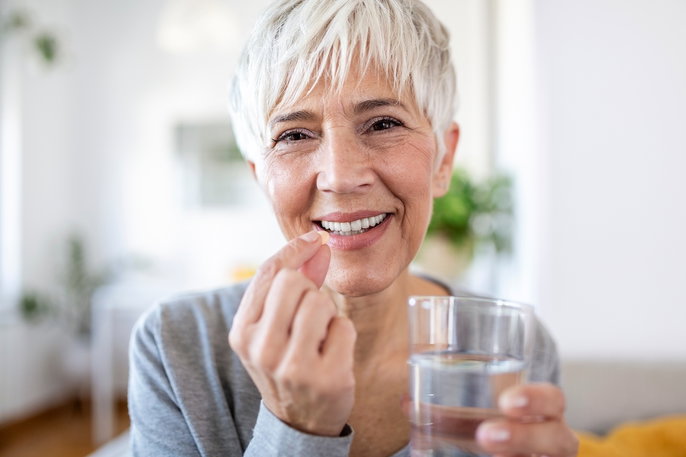
Bijuva is taken by mouth once a day in the evening with food. Taking the capsule with food is important because food affects how the hormones, particularly progesterone, are absorbed.
Bijuva is available in two strengths:
-
0.5 mg estradiol/100 mg progesterone
-
1 mg estradiol/100 mg progesterone
Treatment generally starts with the 0.5 mg/100 mg strength. The dose may be adjusted according to symptoms, treatment response and tolerability.
Bijuva is supplied only as an oral softgel capsule. It is not available as a skin patch, cream, vaginal tablet, injection or hormone pellet.
Hormone therapy should generally be used at the lowest effective dose for the shortest period that is appropriate for treatment goals and individual health risks. The need for continued treatment should be reassessed periodically, and the prescribing information recommends considering attempts to taper or stop treatment every 3 to 6 months.
Possible side effects
The most common side effects reported with Bijuva include:
-
Breast tenderness
-
Headache
-
Nausea
-
Vaginal bleeding
-
Vaginal discharge
-
Pelvic pain
Bleeding and spotting may occur during treatment. In clinical research, bleeding and spotting generally became less common over time.
However, unexplained vaginal bleeding should not automatically be considered a normal medication effect. Abnormal or persistent bleeding may require medical evaluation to rule out problems affecting the uterus or endometrium.
Bijuva can also be associated with serious risks that have been reported with estrogen plus progestogen therapy. These include:
-
Blood clots, including deep vein thrombosis and pulmonary embolism
-
Stroke
-
Heart attack
-
Breast cancer and other hormone-sensitive cancers
-
Problems affecting the uterine lining
In a 12-month clinical study, the FDA-assessed rate of endometrial hyperplasia was low among participants receiving 1 mg estradiol/100 mg progesterone, and no endometrial cancers were reported during the study. These findings apply to the specific population included in the trial and do not mean that Bijuva is appropriate or risk-free for everyone.
Contraindications
Bijuva should not be used in people with certain medical conditions or risk factors.
According to the prescribing information, contraindications include:
-
Unexplained abnormal genital bleeding
-
Current or previous breast cancer
-
Known or suspected estrogen-dependent cancer
-
Current or previous deep vein thrombosis or pulmonary embolism
-
Current or previous stroke
-
Current or previous heart attack
-
Liver impairment or liver disease
-
Known disorders that increase the tendency for blood clots, including protein C deficiency, protein S deficiency or antithrombin deficiency
-
A serious allergic reaction to Bijuva or any of its ingredients
Individual health history should therefore be reviewed before treatment is started, particularly when there is a history of cancer, cardiovascular disease, blood clots, liver disease or abnormal vaginal bleeding.
Drug interactions
Some medicines and supplements can change the amount of estradiol or progesterone in the body.
Medicines and substances that may lower hormone levels include:
-
Carbamazepine
-
Phenobarbital
-
Rifampin
Other medicines may increase hormone levels and potentially increase the risk of side effects. These can include certain antibiotics, antifungal medicines and medications containing ritonavir.
Grapefruit juice may also increase hormone levels because of its effects on enzymes involved in hormone metabolism.
Important precautions
Menopausal hormone therapy should be individualized according to symptoms, age, time since menopause, medical history and personal risk factors.
Evidence from menopause treatment guidelines indicates that the balance between benefits and risks is generally more favorable in healthy people with bothersome menopausal symptoms who are younger than 60 years or within 10 years of menopause onset and who do not have contraindications.
Bijuva should not be used with the goal of preventing heart disease or dementia. Treatment should instead focus on its approved purpose of relieving moderate to severe vasomotor symptoms related to menopause.