


Antibiotic creams for boils usually contain active ingredients like bacitracin, neomycin, mupirocin, or gentamicin. Boils are skin infections caused by bacteria that lead to red, painful lumps filled with pus. Using the right antibiotic cream for boils can help reduce pain, speed up healing, and prevent the infection from spreading.
These creams can be applied to any area affected by a boil, which most commonly appears in the groin, armpits, thighs, face, or buttocks. However, antibiotic creams should always be prescribed or recommended by a healthcare professional, as incorrect use can cause redness, swelling, or antibiotic resistance.
Applying the correct treatment under medical supervision ensures faster recovery and helps prevent complications or recurrence.
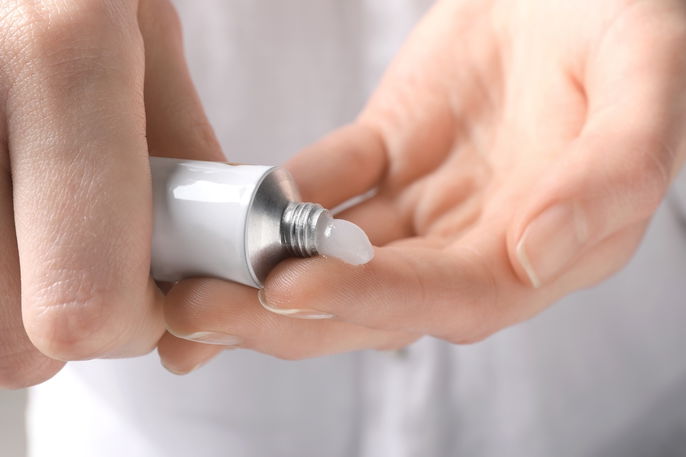
Best antibiotic creams for boils
Antibiotic creams your doctor can prescribe for boils include:
1. Bacitracin and neomycin
Bacitracin and neomycin are topical antibiotics commonly used to treat bacterial skin infections, such as boils, impetigo, and infected wounds. They work by stopping bacterial growth and helping the skin heal.
How to use:
-
Wash the affected area thoroughly with soap and water.
-
Apply a thin layer of the cream to the boil using a sterile gauze pad.
-
Use 2 to 3 times daily or as directed by your doctor.
-
Avoid applying the cream for more than 7 days unless advised by a healthcare provider.
2. Mupirocin
Mupirocin is a prescription antibiotic cream used to treat bacterial skin infections like impetigo, folliculitis, and boils. It works by eliminating Staphylococcus aureus, one of the most common bacteria responsible for boils. In the United States, it is available under the brand name Bactroban.
How to use: Clean the affected area gently with soap and water, then pat dry. Apply a thin layer of mupirocin cream to the boil using a clean gauze pad. Use up to 3 times a day for up to 10 days, or as directed by your healthcare provider.
3. Gentamicin
Gentamicin is an antibiotic used topically to treat bacterial skin infections such as impetigo, folliculitis, and boils. It is sometimes combined with a corticosteroid like betamethasone dipropionate to reduce inflammation and itching. Gentamicin creams are available by prescription in the United States.
How to use: Apply a thin layer of gentamicin cream to the affected skin twice a day, or as directed by your doctor. If itching, redness, or swelling occurs where the cream was applied, stop using it and contact your healthcare provider, as these may be signs of irritation or an allergic reaction.
4. Polymyxin B
Polymyxin B is an antibiotic that helps treat superficial bacterial skin infections. It is typically used in combination with other antibiotics like bacitracin or neomycin, as in many over-the-counter products. This combination helps target a wider range of bacteria that can cause or complicate boils.
How to use: Clean the area with soap and water. Apply a thin layer to the affected skin 1 to 3 times a day. Cover lightly with a sterile gauze if needed. Avoid prolonged use unless recommended by a healthcare provider.
5. Retapamulin
Retapamulin is an antibiotic approved by the FDA to treat impetigo caused by Staphylococcus aureus or Streptococcus pyogenes. While not specifically indicated for boils, doctors may prescribe it off-label to treat mild localized bacterial infections caused by similar bacteria. It is available under the brand name Altabax.
How to use: Gently clean the affected area with soap and water. Apply a small amount of cream twice a day for 5 days. Avoid covering the area tightly unless advised by your doctor.
6. Ozenoxacin
Ozenoxacin is a topical antibiotic approved by the FDA for treating bacterial skin infections such as impetigo. It is effective against Staphylococcus aureus and Streptococcus pyogenes and is sometimes prescribed off-label for localized infections that resemble boils. It is available under the brand name Xepi.
How to use: Clean the affected area and pat dry. Apply a thin layer twice daily for 5 days. Avoid use on open wounds or large infected areas unless directed by your healthcare provider.
Key recommendations
To ensure safe and effective treatment of boils, it’s important to follow proper medical guidance and care practices when using antibiotic creams.
-
Always consult a dermatologist or healthcare provider before using any antibiotic cream for boils.
-
Do not squeeze or puncture boils, as this can worsen the infection or spread it.
-
Seek medical care if multiple boils develop, fever occurs, or redness spreads around the affected area.
Following these recommendations can help promote faster healing, prevent complications, and reduce the risk of the infection returning.