


BenzaClin is a prescription topical medication used to treat acne vulgaris. It contains clindamycin and benzoyl peroxide, which help reduce acne-causing bacteria and inflammation in the skin.
This combination gel may also help treat inflamed bumps and pustules that can develop with acne. It is approved for patients 12 years and older.
Storage instructions and expiration after dispensing can vary by product. Patients should follow the prescription label and pharmacist instructions.
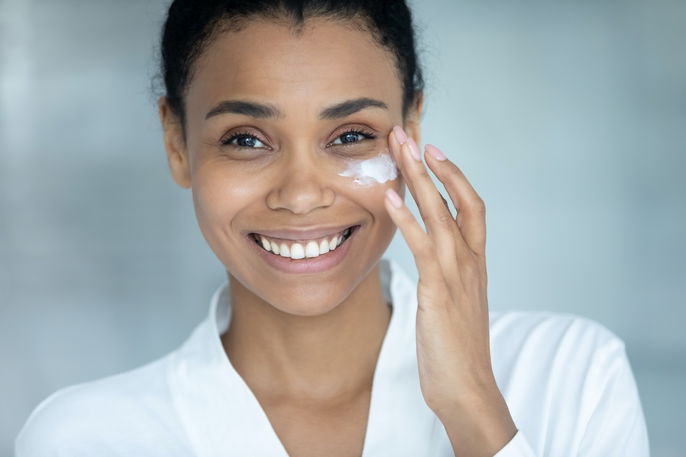
Indications for use
BenzaClin is used for the topical treatment of acne vulgaris. It helps reduce bacteria linked to acne and reduces the redness and inflammation caused by breakouts.
It helps treat inflamed pimples and pustules, and may also improve blackheads as part of acne vulgaris.
How to use
BenzaClin is applied twice daily, as directed by a dermatologist.
Step-by-step instructions for applying the gel are:
-
Wash the affected area with water and a mild soap.
-
Dry the skin well.
-
Apply a thin layer of the gel over the area being treated.
-
Wash your hands after applying it.
Treatment should continue for the length of time recommended by your healthcare provider, even if the acne starts to improve soon after treatment begins.
Possible side effects
Some side effects that may occur during treatment include dry skin, peeling, redness, headache, or a burning sensation on the skin. The most common side effects reported in FDA labeling are skin reactions such as redness, peeling, dryness, and burning.
Topical clindamycin-containing products also carry a warning for colitis and severe diarrhea, according to U.S. Food and Drug Administration (FDA) labeling for clindamycin-benzoyl peroxide gels.
It is recommended to stop treatment and tell your doctor if symptoms such as skin blistering, severe redness, itching, or diarrhea occur. Topical clindamycin-containing products also carry a warning for colitis and severe diarrhea.
In addition, this gel may cause serious allergic reactions that require immediate medical attention. In these cases, it is important to wash the skin where the medication was applied and go to the nearest emergency room if you develop symptoms such as trouble breathing or swelling of the mouth, tongue, or face.
While using this gel, avoid too much sun exposure or artificial tanning, because it can make the skin more sensitive. A doctor-recommended sunscreen should be used as needed.
Contraindications for use
This gel should not be used by children under 12 years old. It also should not be used by people with a history of enteritis, colitis, Crohn’s disease, ulcerative colitis, or antibiotic-associated colitis.
People who are pregnant or breastfeeding should only use this medication with medical guidance.
In addition, this medication should not be used by people who are allergic to clindamycin, lincomycin, benzoyl peroxide, or any other ingredient in the formula.
It also should not be used if the skin is irritated, cracked, scratched, or sunburned, and it should not be applied to the eyes, mouth, lips, inside the nose, or on broken skin.