


A beginners' guide to intermittent fasting comes down to a few basics: avoid solid foods during fasting windows and skip caloric drinks like juice or sweetened coffee. Focus on healthy choices during eating windows, and drink plenty of water and unsweetened teas throughout the day.
During the fast, you can have water, black coffee, and unsweetened herbal teas. When you resume eating, prioritize healthy, lower carb options such as zucchini or spinach, whole grains, legumes, lean proteins, and healthy fats like avocado.
Intermittent fasting may increase fat burning to support weight loss. Many people also notice better physical and mental energy. It may help reduce early signs of aging and support immune function by promoting cellular renewal.
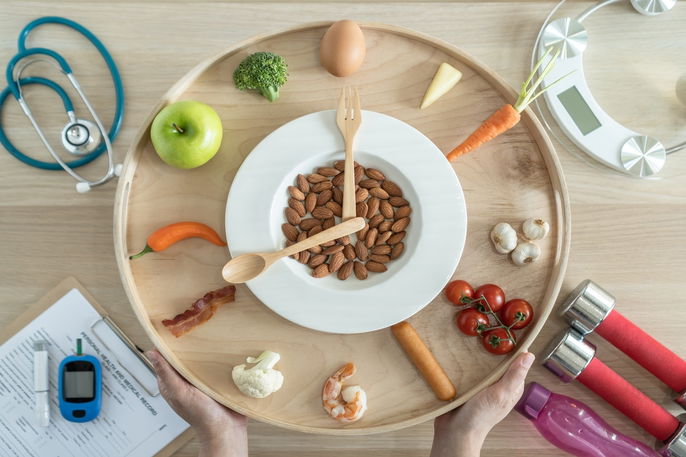
Different methods
The most common methods for practicing intermittent fasting include:
1. 16:8 method
In the 16:8 method, the fasting period lasts 16 hours with an 8 hour eating window. For example, you might stop eating at 8:00 p.m. and resume at 12:00 p.m. the next day.
During the 8 hour window, aim for 3 to 4 meals, prioritizing:
-
Fresh fruits and vegetables;
-
Whole grains, such as brown rice or whole wheat pasta;
-
Lean proteins, like fish and eggs;
-
Legumes, including beans and chickpeas.
Stay well hydrated, aiming for at least 1.5 liters of water per day. Black coffee and unsweetened herbal teas are allowed during the fast.
2. 5:2 method
This method differs from 16:8. You eat normally for 5 days of the week and reduce calories significantly on 2 nonconsecutive days with at least one day in between.
For example, you might eat a balanced, no restriction diet on Monday, Wednesday, Friday, Saturday, and Sunday. On Tuesday and Thursday, keep a balanced diet but reduce intake to about 20% to 25% of your daily calorie needs.
This means that if you typically consume 2,000 calories per day, your intake on the two reduced calorie days would be about 400 to 500 calories.
3. 24 hour or alternate day fasting
This approach can be more challenging. It involves complete fasting on alternate days for 24 hours, followed by a balanced, normal eating day.
For instance, you could fast on Monday, Wednesday, Friday, and Sunday. On the other days, eat during normal periods and prioritize a balanced diet.
On fasting days, water and unsweetened herbal teas are encouraged to maintain hydration and help manage hunger.
4. 20:4 method
Known as the warrior diet, this is typically not ideal for beginners because it is the most restrictive. You fast for 20 hours and have a 4 hour eating window.
For example, you might stop eating at 8:00 p.m. and not eat again until 4:00 p.m. the next day. Because nutrient intake may be very limited, this method is best done with guidance from a registered dietitian to avoid deficiencies.
How to start
For beginners, the 16:8 method is often the easiest because it involves skipping food only for part of the day.
To adapt gradually, you can start with a 6 hour fast during the day and increase by a few hours daily until you reach 16 hours.
Another option is to count sleep as part of your fast. For example, if you sleep 8 hours, you only need to fast another 4 to 6 hours until your next meal.
Frequently asked questions
Common questions that often come up when starting intermittent fasting include:
1. Is intermittent fasting safe?
Yes, intermittent fasting is generally safe for most people seeking weight loss, metabolic improvements, and overall well being.
2. Will I feel very hungry during intermittent fasting?
Some people feel mild hunger at first. To make it easier, start with one 12 hour or shorter fast per week and increase gradually.
During eating windows, prioritize low glycemic foods to promote steady blood sugar and help control hunger during the fast.
Dehydration can feel like hunger. Drinking at least 1.5 liters of water throughout the day can help.
3. Who should not do intermittent fasting?
Intermittent fasting is not recommended for people with medical conditions such as anemia, high or low blood pressure, diabetes, or kidney failure. It is also not suitable for those with a history of anorexia, binge eating, or bulimia, or for anyone underweight.
Always consult a healthcare provider or registered dietitian before starting and while practicing intermittent fasting.
4. Can I work out while fasting?
Yes, you can train during fasting periods. Many people notice increased energy and focus, which can support metabolism and fat burning during exercise.
On more restrictive methods such as 24 hour fasts, 20:4, or 5:2 low calorie days, opt for lighter activities like walking or yoga.
If you feel weakness, dizziness, or unwell during workouts, stop until you feel better. If symptoms persist, seek medical advice.
A nutrition and fitness evaluation can help tailor your fasting plan and activity level.
5. What can I drink during intermittent fasting?
Drink plenty of water and unsweetened herbal teas. These help with hydration and appetite control, especially for beginners. Black, unsweetened coffee is also allowed during the fast.
6. Does intermittent fasting cause muscle loss?
Intermittent fasting does not inherently cause muscle loss. It can raise levels of growth hormone, which may support fat burning and help preserve lean mass. Many people also experience improved energy and endurance, which can aid in building muscle when combined with appropriate training.
7. How long can I do intermittent fasting?
Most studies evaluating intermittent fasting span about 6 months, but it may be safe to continue longer.
Before starting, consult a registered dietitian to choose the method that best matches your goals and tolerance.
8. Does intermittent fasting slow metabolism?
Intermittent fasting does not slow metabolism unless fasting exceeds 3 consecutive days. With structured intermittent fasting up to 3 days, lower calorie intake reduces glucose and insulin, encouraging the body to use stored fat and potentially supporting a higher metabolic rate.
9. Can I do intermittent fasting every day?
For general health, energy, and immune support, intermittent fasting can be done daily.
For weight loss, aim for 1 to 3 fasting days per week. Fasting more than 3 days weekly can lead to adaptation to caloric restriction, slowing metabolism and reducing weight loss progress.
10. Is there an ideal meal plan for intermittent fasting?
There is no single ideal plan. During eating windows, prioritize a balanced diet with fresh fruits and vegetables, legumes, and lean proteins to maintain the benefits of fasting.
Check out this intermittent fasting meal plan to help you get started.
11. Can children and pregnant people do intermittent fasting?
Children should not fast because they require more nutrients for growth and development.
Intermittent fasting is not recommended during pregnancy or breastfeeding, as the fetus depends on higher calorie and nutrient intake.