


A back workout can be split into upper, middle or lower back exercises, with each back exercise done in 3 sets of 10 to 12 repetitions. Back exercises may be performed with gym equipment, like cable or lever machines, or just with dumbbells and body weight at home.
A back workout is divided into the muscle groups you wish to train. It should be monitored by a personal trainer and can vary in execution depending on each person’s health goals.
For results to be noted, you should ensure you are exercising to failure and adhering to a consistent training plan that outlines specific sets and rest time. You should also ensure you are well-hydrated and eating a healthy, balanced diet, which can be monitored by a registered dietitian.

Warm-up & mobility
Warming up the muscles before a back workout helps improve mobility and reduce the risk of strain or injury. Recommended warm-up exercises include:
-
Arm circles (20 to 30 seconds)
-
Dynamic band pull-aparts (2 sets of 15 reps)
-
Cat-cow stretches (10 repetitions)
-
Thoracic spine rotations (10 repetitions per side)
These exercises activate the muscles, increase blood flow, and prepare the back for strength training.
List of back exercises
Check-out some exercises to include in your back workout:
1. Cable lat pull down
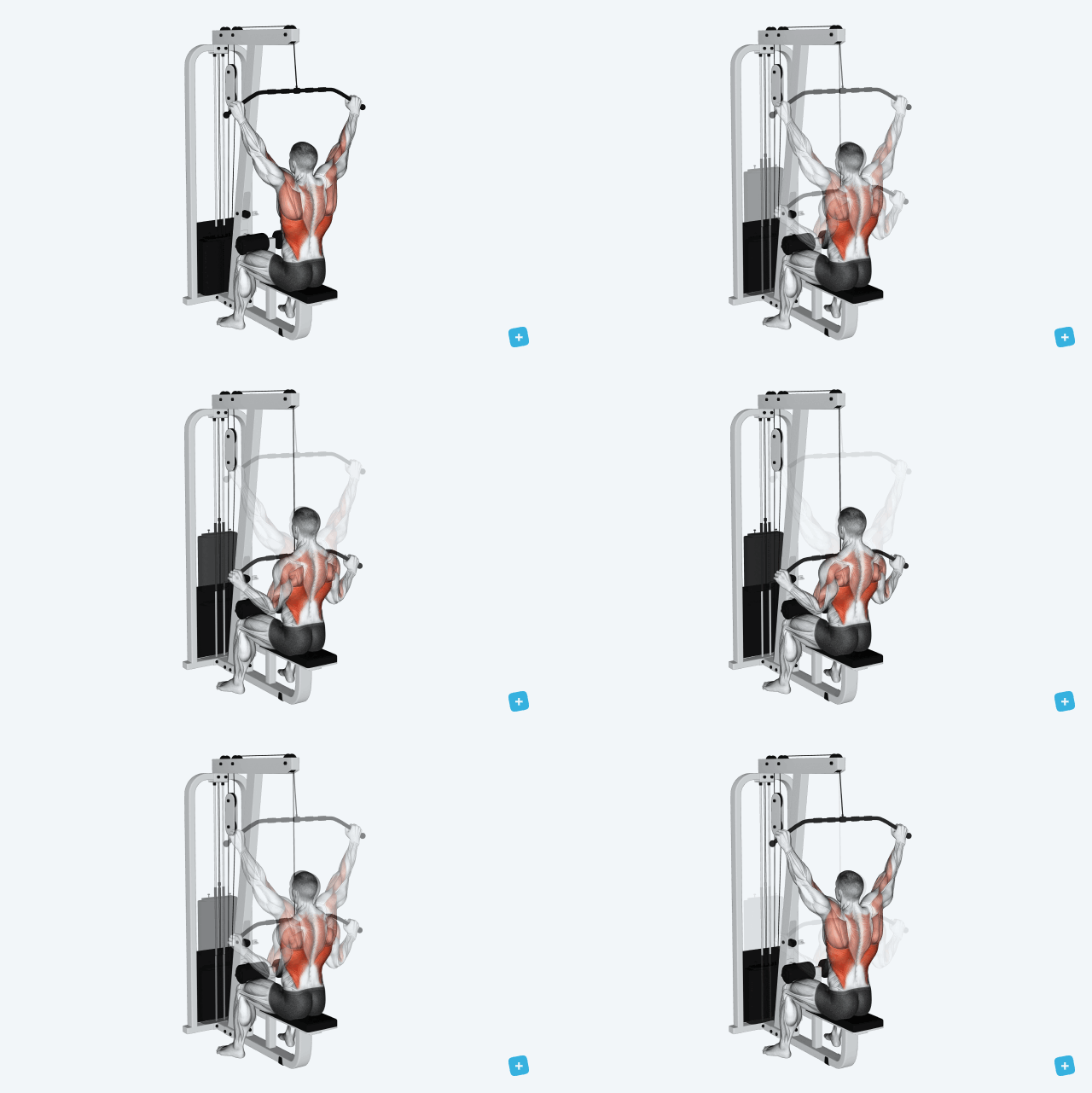
The lat pull down machine is performed in a seating position, with your chest facing the machine. Place your hands on the bar above your head and bring the bar down, toward your chest, then slowly allow it to raise. To ensure this exercise is done correctly, your torso should not rock back and forth when pulling the bar down and raising it up. Only your arms should be working. Keep your abdomen contracted to stabilize your torso.
This exercise mainly works the muscle in the middle back, also known as the latissimus dorsi muscle.
2. High row machine
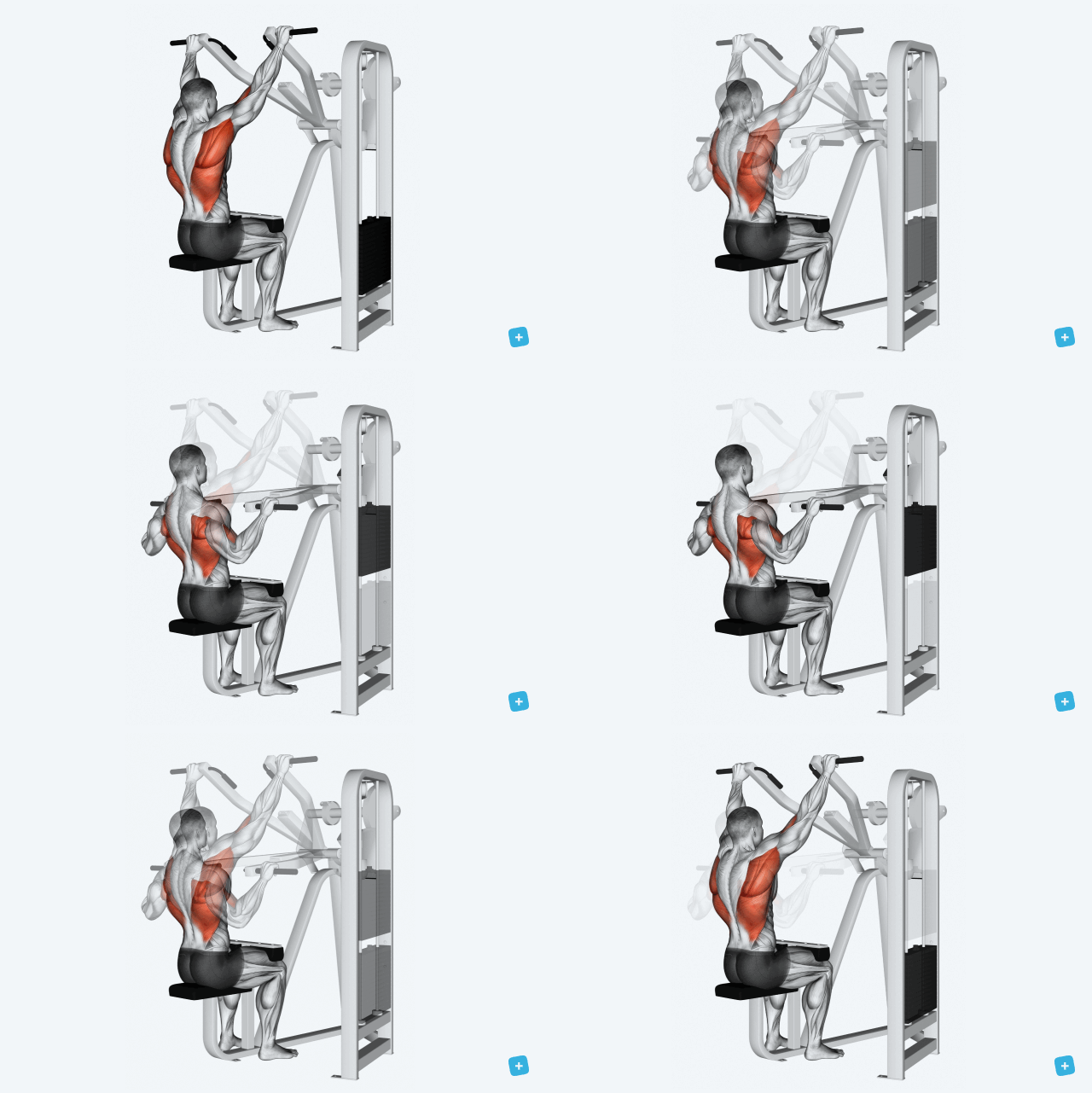
The high row machine is used by facing forward, with your chest facing the machine, while keeping your back straight. Place your hands on the handles and pull them down, noting that your arms will open wider on the way down, and become narrower on the way up.
This exercise works all your back muscles, but it will particularly train your latissimus dorsi and lower back.
3. Bent-over rows with barbell
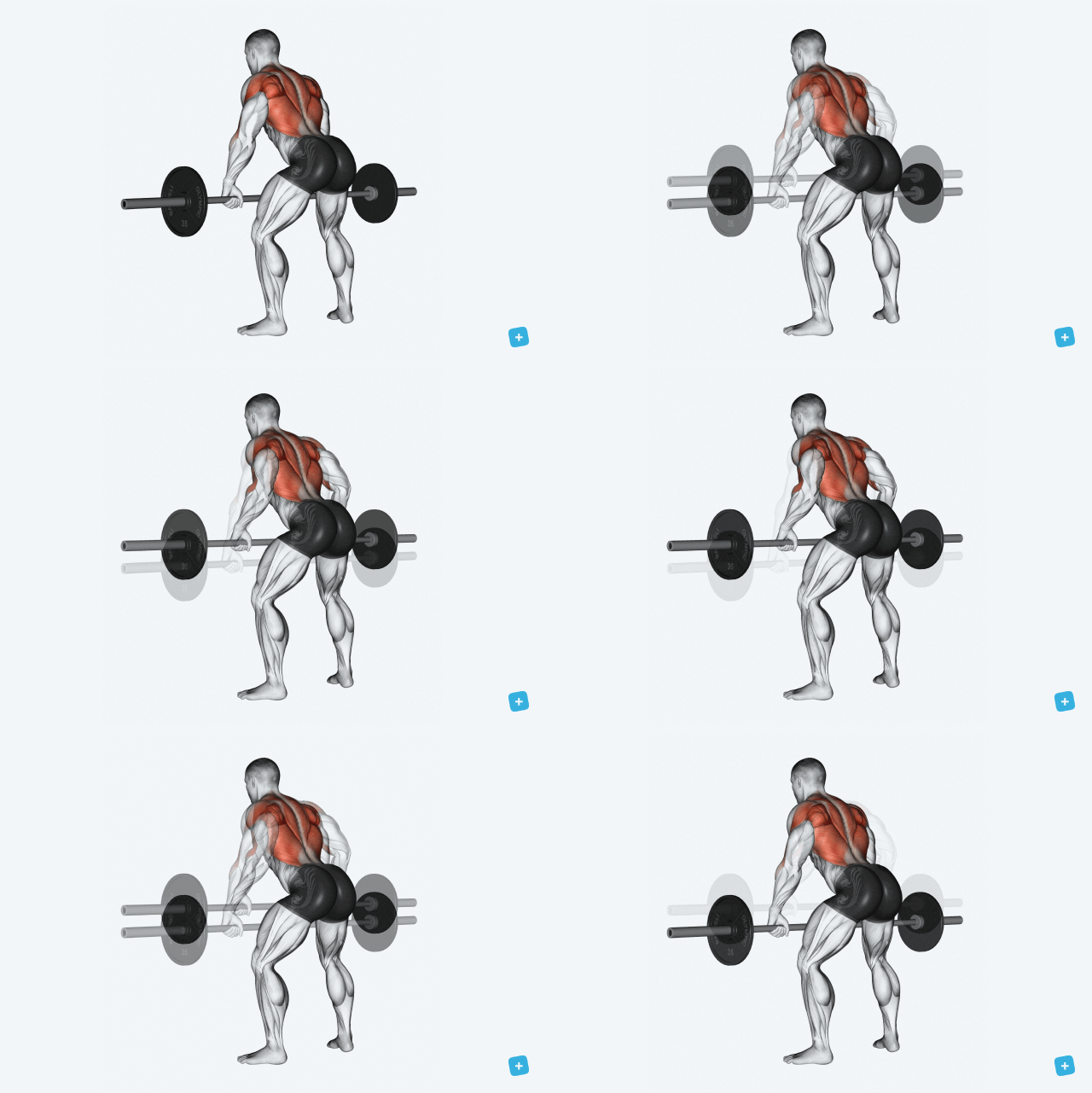
With your feet shoulder distance apart, hinge forward at the hips. Grip a barbell in front of you, keeping your hands shoulder distance apart. Flex your elbows and bring the barbell toward your abdomen. Then lower it to the initial position in a controlled movement.
This exercise is indicated to work your middle back and side muscles, also referred to as the mid trapezius, infraspinatus and latissimus dorsi muscles.
4. Landmine row
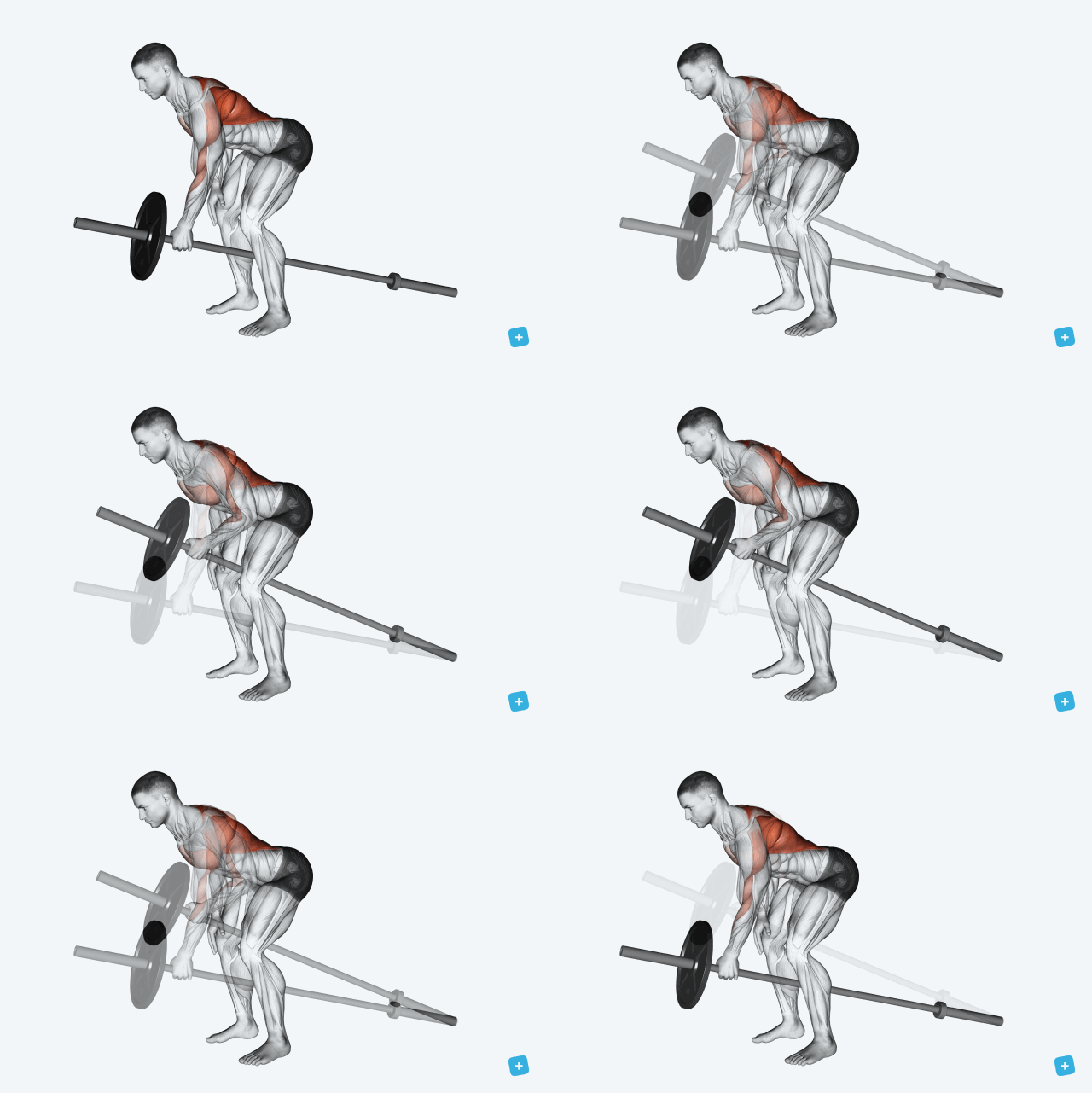
To perform a landmine row, be sure to secure the bar to the landmine support. If the bar does not have a T shape, you can use a double-D handle to grip the bar and ensure better stability.
Once the bar is set up, stand in front of the bar facing it and bend your knees. Keep your abdomen contracted the entire time. Then bring the bar toward your chest and feel your scapula close. Return to the initial position. To make this exercise harder and to work more muscles, you can add weight to this bar.
5. Upright barbell row
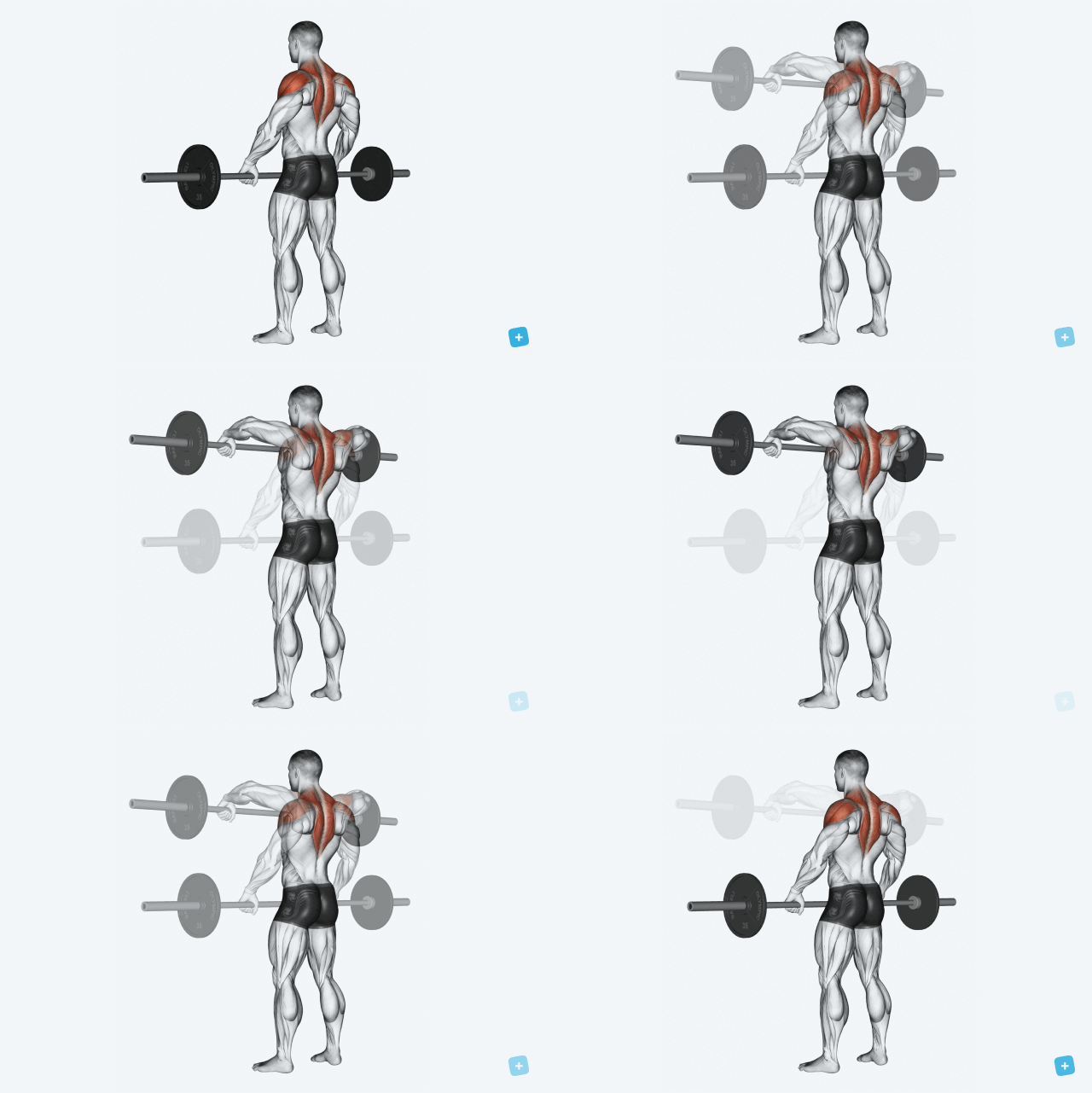
An upright bar bell row is performed using a barbell with a narrow or wide grip, depending on your personal trainer’s plan and the muscles you wish to work.
Grip the bar, stand up straight and bring it up toward your chin. Then return to the initial position and repeat. You can also perform this exercise on a cable machine using a straight bar.
6. One arm dumbbell row
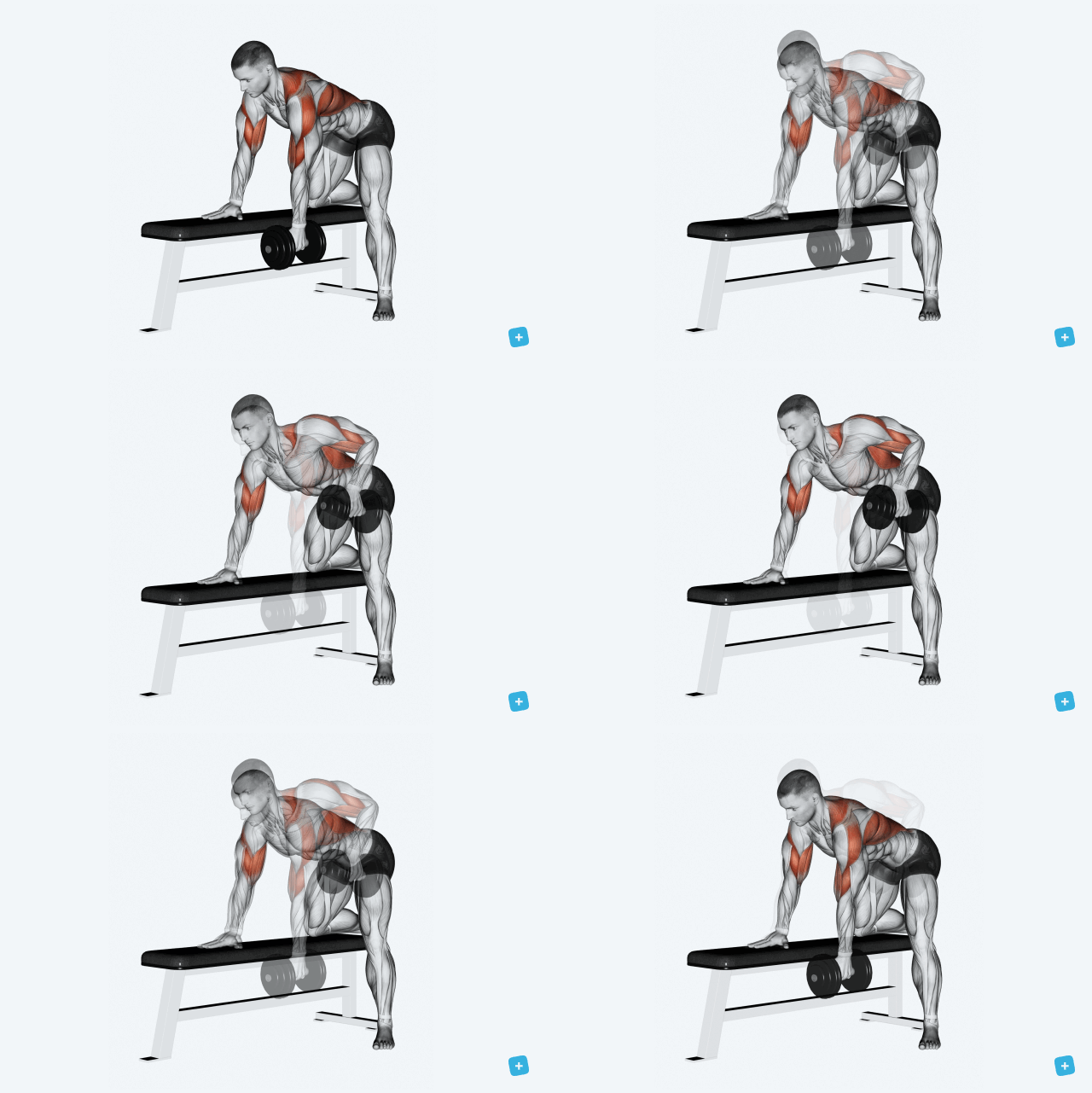
A one arm dumbbell row is a great exercise for strengthening the latissimus dorsi, trapezius and deltoid muscle in the shoulder.
To perform this exercise, support one knee and one hand (from the same side of the body) on a bench. Hold a dumbbell using your other hand. Stabilize your torso by activating your core, and bring your dumbbell up by flexing your elbow. Complete all reps on one side, before swapping to the other side.
As an alternative, you can lean on a high surface and place one leg in front of the other to perform this exercise.
7. Cable pullover
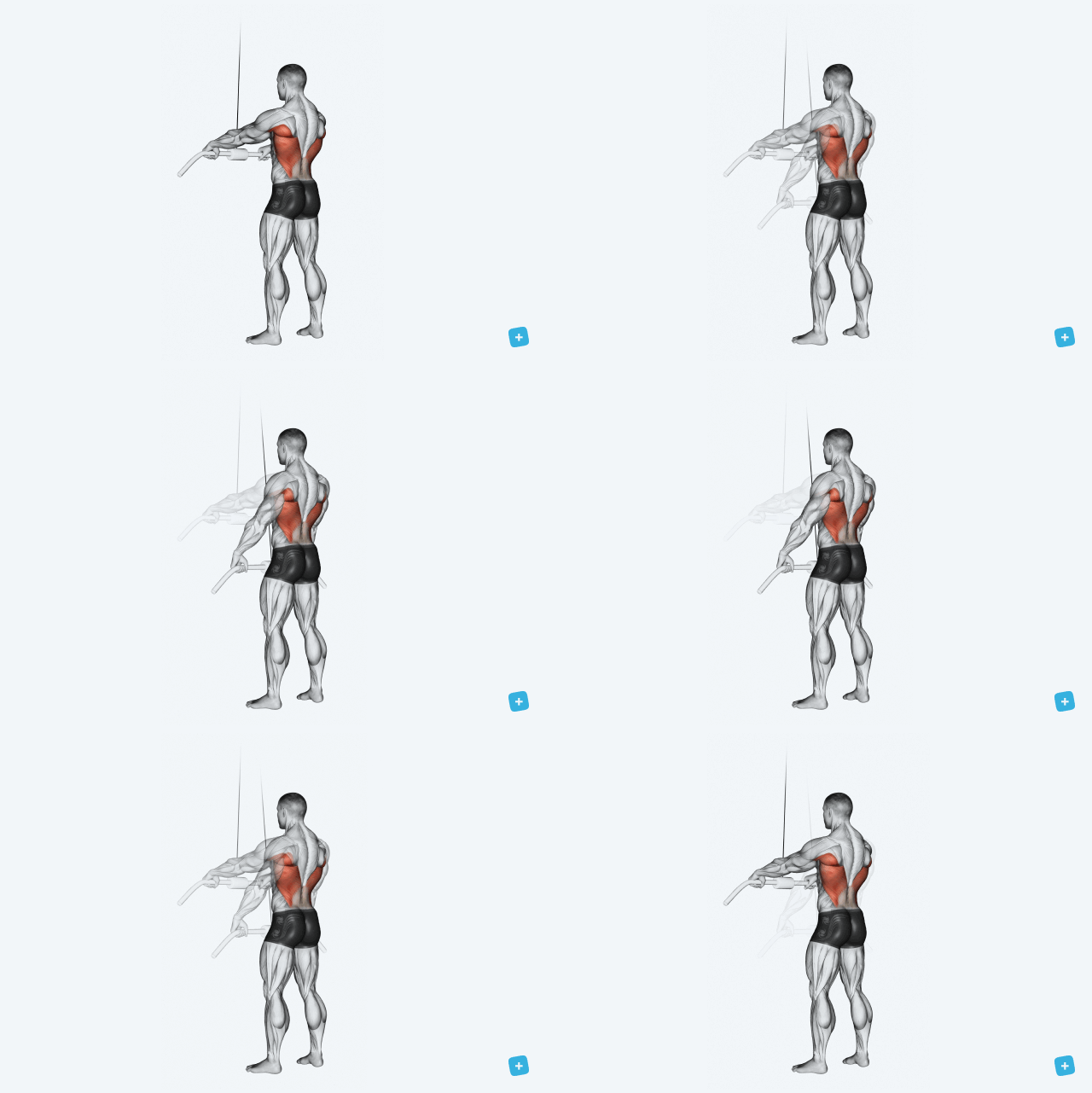
A cable pullover is a great exercise for a back workout. It works the latissimus dorsi muscle. Place a straight bar on a cable machine and take a few small steps back. Lean forward, grip the bar above your head, and bring the bar down in front of you, making sure to feel your scapulae close.
8. Lever seated reverse fly
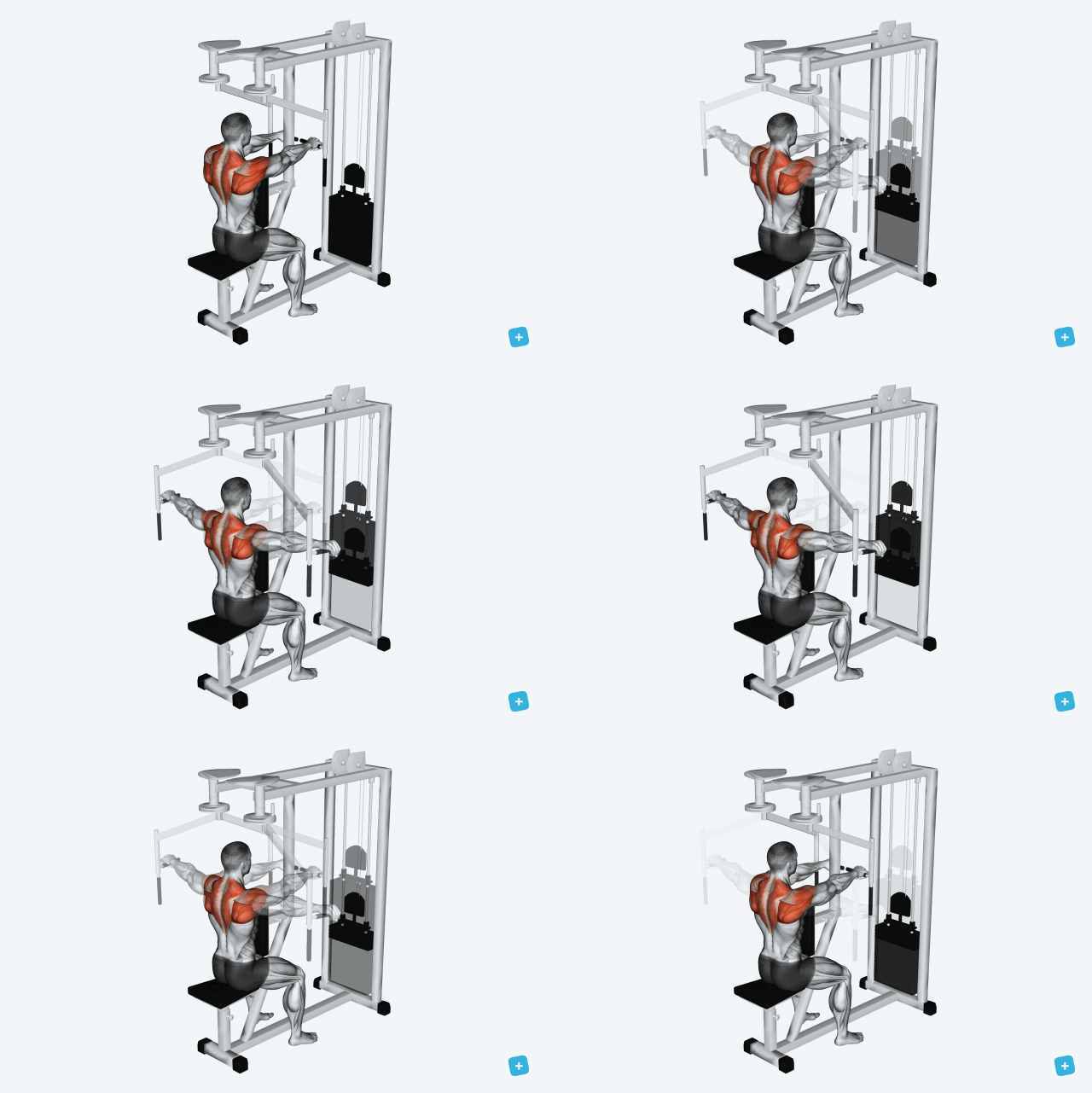
This exercise is performed while sitting facing the machine, with your chest resting on the bench. Hold the grips in front of you, then open your arms to the side until your feel your back muscles contract. Then return to the starting position.
The reverse fly works the muscles in the neck all the way to the mid back, which are known as the rhomboid, posterior deltoid and inferior trapezius muscles.
9. Pull ups
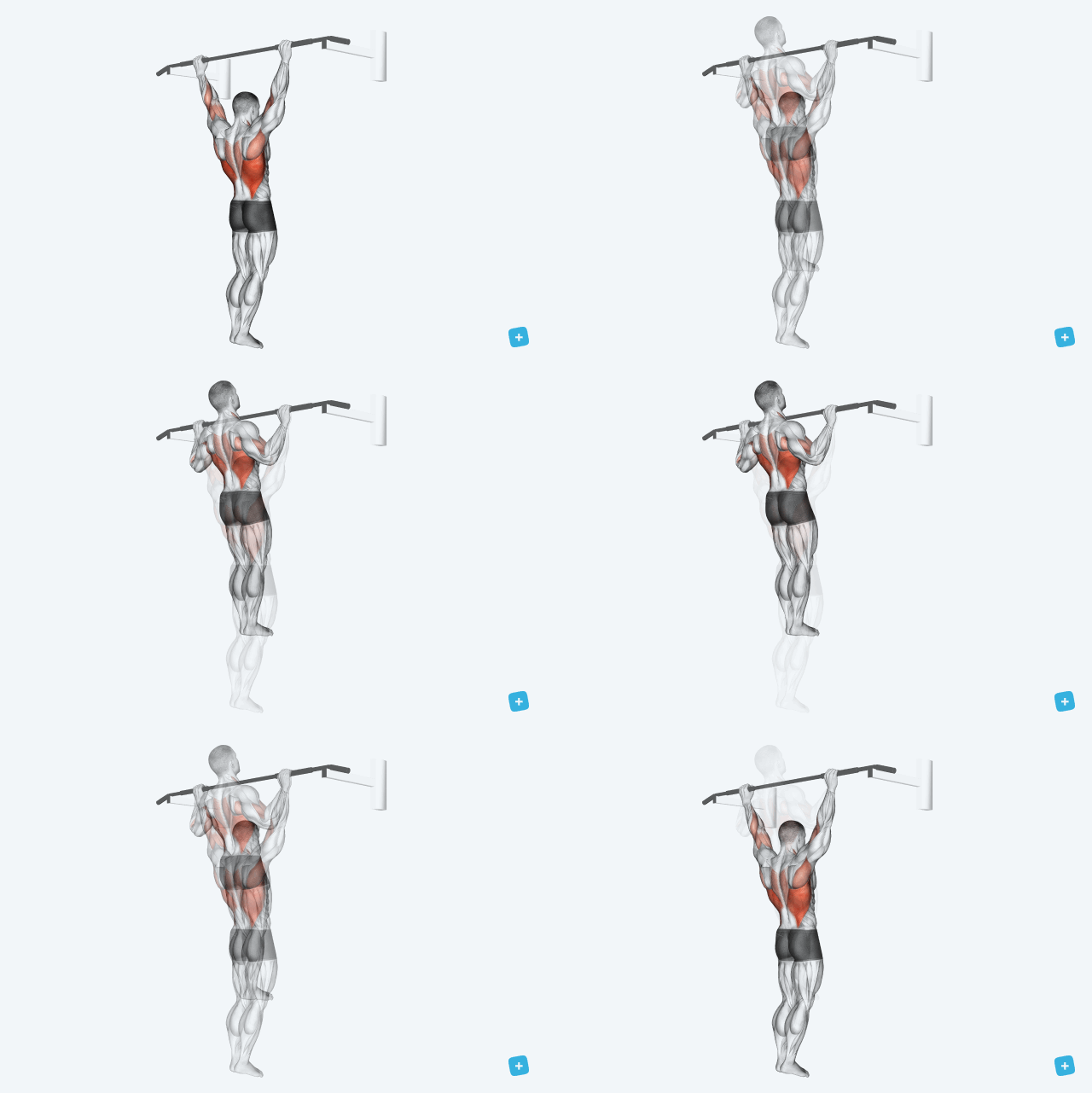
A pull up bar is a great exercise for both back and biceps. It can be down with a narrow or wide grip bar. Using an underhand grip, hold onto the bar and contract your abdomen, then contract your back muscles to bring yourself up. You may need assistance to perform more repetitions.
10. Assisted pull ups
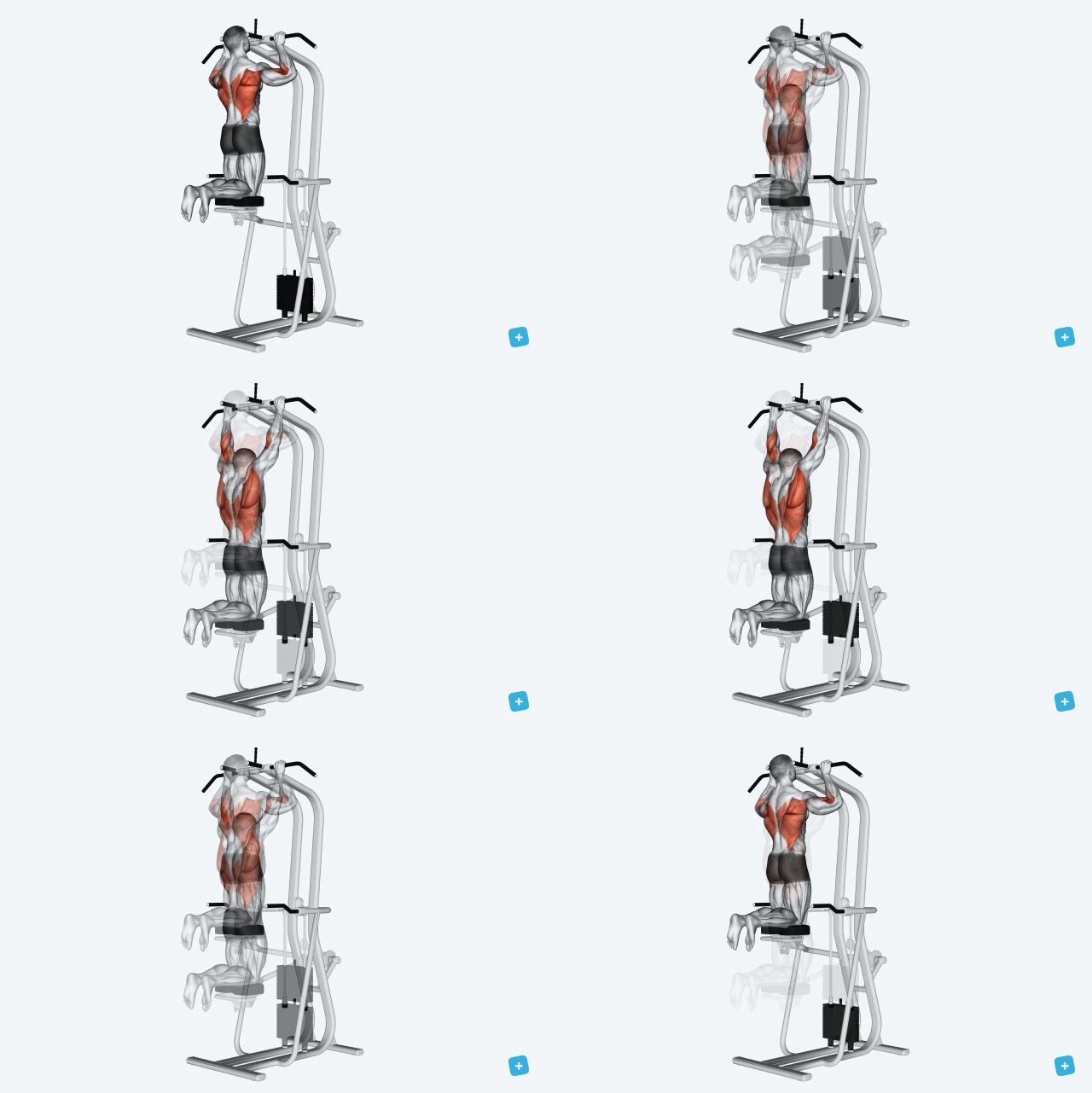
Similar to the above exercise, an assisted pull-up consists of the same movement, although you are kneeling on a pad which allows for better support. Using an open or closed grip, bring yourself toward the top of the bar, and slowly lower yourself down to the starting position.
11. Seated cable row
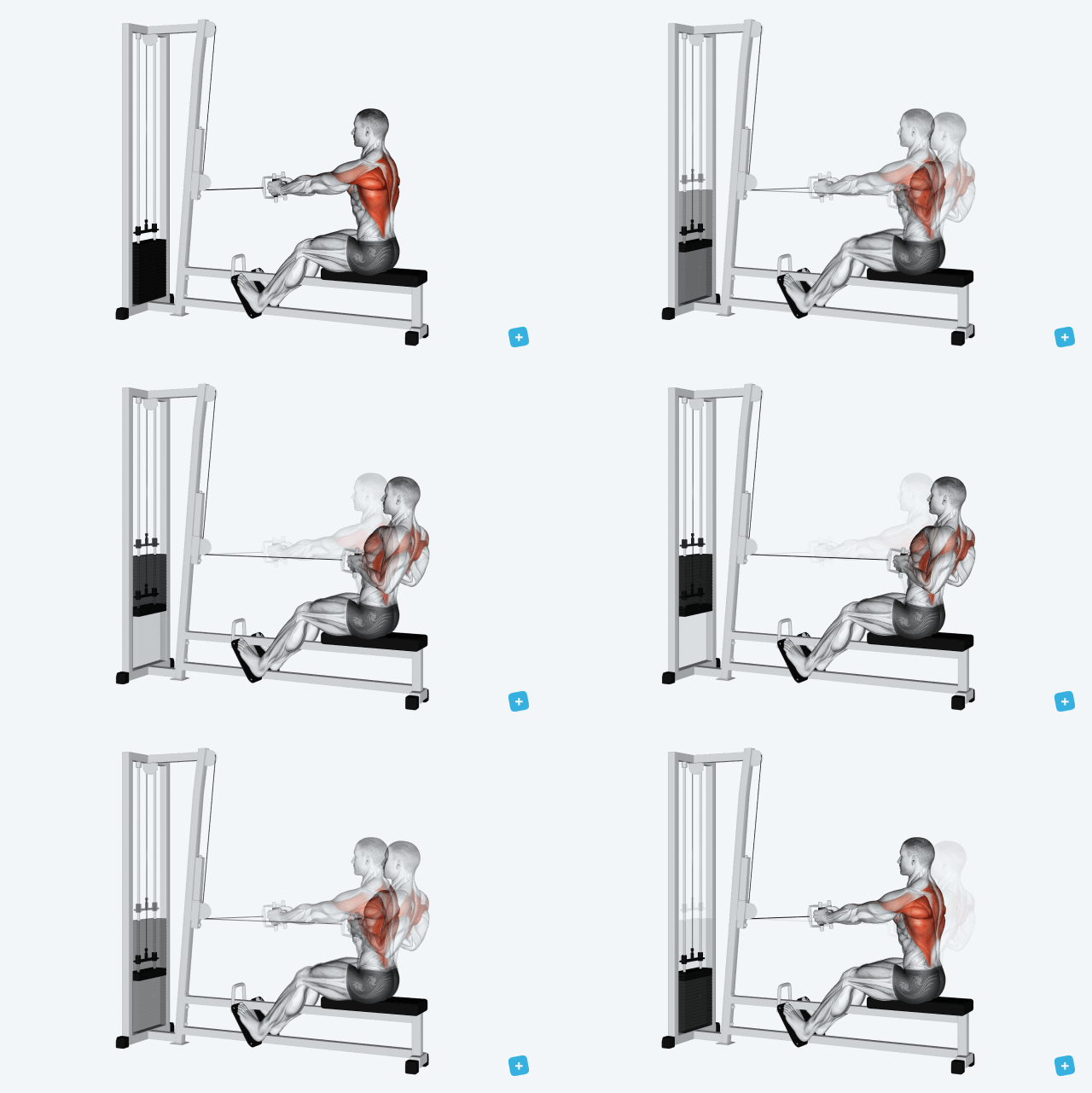
The seated cable row is done using a rowing machine. It helps to strengthen mainly the scapular muscles in the upper back, as well as the biceps and elbows.
To do this exercise, adjust the weight on the machine and attach the safety pin. Then sit on the bench with your feet on the machine, knees slightly bent, back straight and abdomen contracted. Pull the handle back towards your lower belly, aiming to bring your shoulder blades together. Return to the starting position until your arms are fully extended.
12. Plank
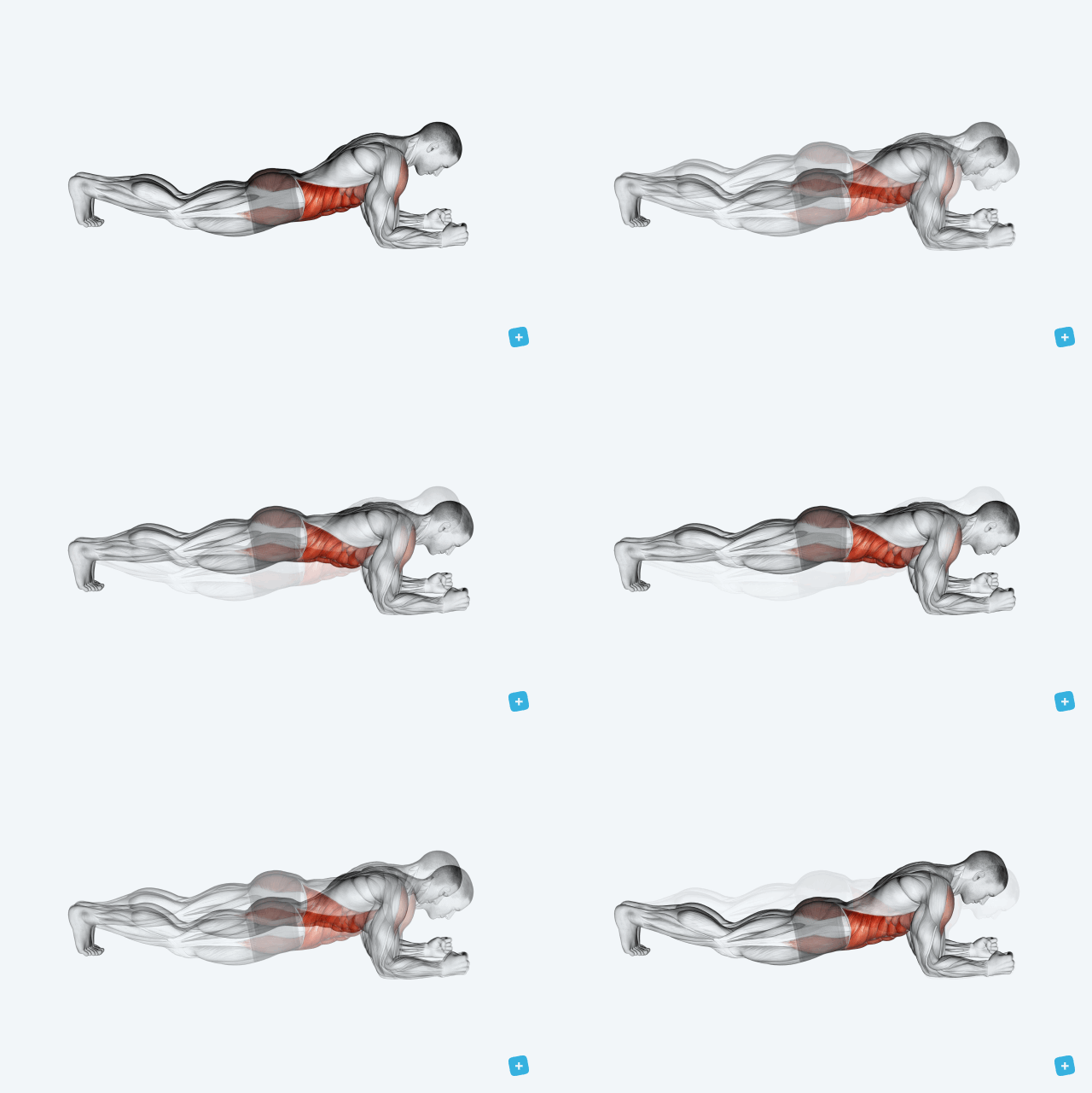
There are many ways to perform a plank. The most common way is to lay on the ground, belly down. Support your body on your elbows and feet and hold. This exercise works the trapezius muscles, which start at the neck and go down to the mid back.
Also recommended: 13 Back Exercises at Home (to Strengthen & Tone Your Back Muscles) tuasaude.com/en/at-home-back-workoutCooldown & recovery
After completing your back workout, cooling down supports recovery and reduces muscle stiffness. Recommended cooldown activities include:
-
Gentle cat-cow stretches (10 reps)
-
Child’s pose stretch (30 seconds)
-
Thoracic extension with foam roller (2 minutes)
-
Light walking (5 minutes)
Incorporating adequate hydration, rest, and protein intake also contributes to effective muscle recovery.
Sample workout plans
Back workouts can be tailored to your fitness level, goals, and available equipment. Below are four complete routines that help strengthen the back, improve posture, and increase pulling strength. Always begin with a proper warm-up and focus on slow, controlled movements to prevent injury.
1. At-home back workout
This routine can be done without gym equipment, making it ideal for home training. It focuses on bodyweight and resistance band exercises that build strength and stability. Check-out at back workout at home article for more information on how to perform these exercises.
-
Exercises: Resistance band pull-aparts, superman hold, reverse snow angel, plank
-
Sets and reps: 3 sets of 12 to 15 repetitions per exercise
-
Rest: 60 seconds between sets
Perform this routine 3 to 4 times per week. You can increase resistance by using stronger bands or adding small weights if available. Over time, aim to hold each exercise longer or perform more controlled repetitions.
2. Beginner back workout
This routine is ideal for beginners who want to build foundational strength and proper form. It uses simple movements that target the main back muscles and core.
-
Exercises: Lat pull down, one arm dumbbell row, seated cable row, plank
-
Sets and reps: 2 sets of 8 to 10 repetitions per exercise
-
Rest: 60 to 90 seconds between sets
Perform this routine 2 to 3 times per week, allowing one rest day between sessions. As your strength improves, gradually increase the resistance or add one extra set to each exercise.
3. Intermediate back workout
This workout combines machine and free-weight exercises to improve muscle tone and back definition. It helps increase pulling power and supports better posture.
-
Exercises: Cable pullover, high row machine, bent-over row, assisted pull-ups, reverse fly, landmine row, dumbbell row, plank
-
Sets and reps: 3 sets of 10 to 12 repetitions per exercise
-
Rest: 45 to 60 seconds between sets
You can perform this routine 2 to 3 times per week. Alternate grip positions or adjust resistance to challenge your muscles and prevent workout plateaus.
4. Advanced back workout
This routine targets all the major back muscles with high intensity and volume. It’s designed to increase muscle mass, endurance, and definition.
-
Exercises: Full list of 12 back exercises outlined above
-
Sets and reps: 3 to 4 sets per exercise, using drop sets on the last set
-
Rest: 30 to 60 seconds between sets
This routine can be performed up to 3 times per week, but it’s important to include at least one active recovery day to prevent muscle fatigue. Focus on proper breathing, range of motion, and control throughout each movement.
Back anatomy & benefits
A back workout targets the primary muscles of the back, including the latissimus dorsi (lats), which contribute to shoulder extension and pulling motions; the trapezius (traps), which stabilize and move the shoulder blades; and the erector spinae, which support posture and spinal extension.
Strengthening these muscles helps to improve posture, enhance pulling strength, prevent injuries, and support everyday functional movements.
Exercise comparison table
Frequently asked questions
Check-out some questions people commonly have about back exercises:
How often should a back workout be performed?
A back workout can be done 1 to 3 times per week, depending on experience level, recovery, and overall training goals. It’s important to allow at least 48 hours between intense back sessions for proper recovery.
What is the best exercise for lower back pain?
Gentle exercises such as planks or bird-dogs may help strengthen the lower back muscles without excessive strain. However, individuals with back pain should consult a healthcare provider or physical therapist before starting any workout.
Can I do a back workout at home without equipment?
Yes. Bodyweight exercises like planks, superman holds, reverse snow angels, and resistance band pull-aparts can effectively target back muscles at home without the need for gym equipment.