


Azelaic acid is a topical medication used to treat acne vulgaris and papulopustular rosacea. It contains azelaic acid, which has antibacterial and anti-inflammatory effects that help fight acne, reduce blackheads, and smooth rough skin by thinning the outer layer of skin cells that can clog pores.
In the US, azelaic acid is available by prescription as a 15% gel (Finacea) and a 20% cream (Azelex). There are also over-the-counter products containing lower concentrations, typically around 10%, marketed for acne and skin texture. These can be found in creams, gels, or serums at pharmacies and online retailers.
Azelaic acid should only be used under the guidance of a dermatologist. It is recommended for adult use only and must be used at the dosage and for the duration prescribed by a healthcare provider.
What it’s used for
Azelaic acid gel or cream is indicated for the treatment of:
-
Acne vulgaris (which is treated with 20% cream, branded as Azelex)
-
Inflammatory papules and pustules of mild to moderate rosacea (which are treated with 15% gel or foam, branded as Finacea)
This medication targets Cutibacterium acnes, a bacteria involved in acne development, and helps reduce skin roughness and the buildup of dead skin cells that can clog pores.
Its anti-inflammatory properties also help relieve symptoms of papulopustular rosacea, such as small acne-like bumps or pus-filled pimples on the face.
Azelaic acid should only be used with medical supervision.
Does azelaic acid lighten dark spots?
Skin lightening may occur as a side effect of azelaic acid, especially in areas where the gel or cream is applied, due to its effect on melanin production. However, it is not intended or approved as a skin-lightening treatment. For cases involving hyperpigmentation or dark spots, dermatologists may recommend other medicated creams or aesthetic treatments.
How to use
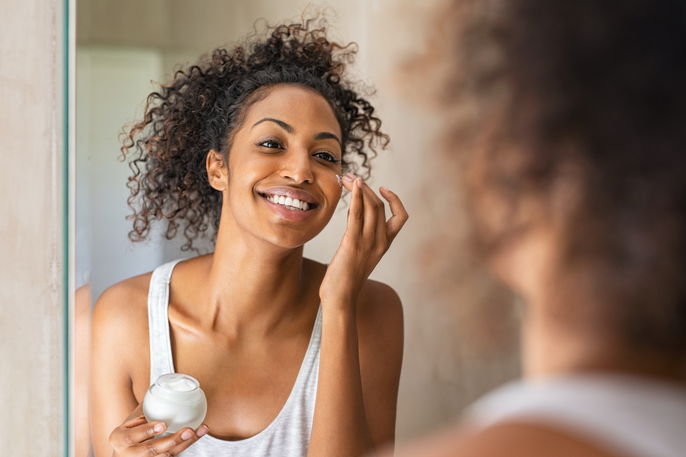
Azelaic acid gel or cream should be applied in small amounts to the affected areas twice daily, once in the morning and once at night, using gentle circular motions.
To apply correctly:
-
Wash the affected area with water and a gentle soap or cleanser
-
Dry the skin completely with a clean, dry towel
-
Place a small amount of the product on the fingertip and apply to areas such as the chin, forehead, cheeks, and nose, gently massaging into the skin
-
Wash hands after applying
Most people notice a visible improvement after about 4 weeks of regular use.
It’s important to avoid contact with the eyes, mouth, nostrils, nipples, and genital area. The treated area should not be covered unless directed by a healthcare provider, as covering the skin may increase absorption and lead to side effects.
Treatment duration depends on symptom severity and should be determined by a dermatologist. Treatment should not be discontinued without medical advice.
Precautions during treatment
While using azelaic acid, some precautions should be followed:
-
Do not apply other topical medications to the same area unless recommended by a dermatologist
-
Avoid exfoliants, astringents, abrasive products, or chemical agents such as sulfur, benzoyl peroxide, salicylic acid, resorcinol, or alcohol that can increase skin irritation
-
Do not undergo chemical peels during treatment
-
Do not use azelaic acid in larger amounts than prescribed, as this can irritate the skin
-
Do not apply to sunburned, cut, scratched, or otherwise damaged skin
-
Avoid spicy foods and alcoholic beverages during treatment, as they may trigger facial redness
The gel form of azelaic acid is flammable due to its alcohol content. It should be stored away from heat and direct sunlight, and should not be used near open flames. Smokers should avoid smoking until the gel has fully dried on the skin.
Following all medical instructions can help minimize potential side effects during treatment.
Possible side effects
The most common side effects of azelaic acid include:
-
Burning sensation
-
Itching
-
Redness
-
Peeling
-
Localized pain at the site of application
-
Immune system-related reactions
Other possible effects include dry skin, irritation, slight skin lightening, or worsening of asthma symptoms.
Azelaic acid can also cause serious allergic reactions that require immediate medical attention. In such cases, the product should be rinsed off immediately, and emergency care should be sought if symptoms like difficulty breathing, swelling of the mouth, tongue, or face, or hives appear.
Who should not use it
Azelaic acid should not be used by people who are pregnant or breastfeeding, or by those with known allergies to any of its ingredients.
Additionally:
-
The cream should not be used by children under 12 years old
-
The gel should not be used by individuals under 18 years old
Azelaic acid should not be applied to mucous membranes such as the eyes, inside the nose, mouth, or genital area, as it may cause irritation or allergic reactions. It should also not be applied to broken, injured, or sunburned skin.