


Astaxanthin is a pinkish-red carotenoid with antioxidant properties. It helps neutralize free radicals that can damage cells and may help lower the risk of conditions such as high blood pressure, atherosclerosis, diabetes, and cancer.
This carotenoid may also help protect the body from the sun’s ultraviolet (UV) rays. It can support skin hydration and softness and may also help reduce the appearance of wrinkles and sagging.
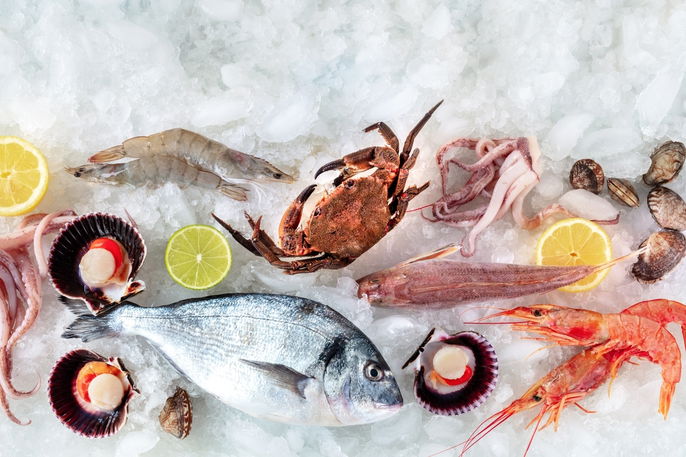
Astaxanthin occurs naturally in fish and seafood such as krill, algae, trout, salmon, shrimp, and lobster. It is also sold in capsule form as a dietary supplement.
Health benefits
Astaxanthin offers several potential health benefits and may be used to:
1. Maintain healthy skin
Astaxanthin has antioxidant properties that help protect healthy skin cells from damage caused by the sun’s UV rays. This may help prevent premature aging and lower the risk of skin cancer.
In addition, this carotenoid helps reduce water loss, which can keep the skin hydrated and soft. This may help prevent dryness and sagging.
2. Reduce the risk of cancer
Because it is a potent antioxidant, astaxanthin helps fight excess free radicals. This may help prevent damage to healthy cells in the body and lower the risk of some types of cancer, such as breast and prostate cancer.
3. Preserve eye health
Astaxanthin may help support eye health by improving blood flow in the retina and protecting eye cells from the sun’s UV rays.
As a result, astaxanthin may help reduce the risk of problems such as eye strain and glaucoma, which is increased pressure in the eye that can cause headaches and vision problems.
4. Lower “bad” cholesterol
Astaxanthin is a carotenoid with anti-inflammatory and antioxidant properties. It may help prevent inflammation and oxidation in fat cells, which can help lower levels of LDL (“bad”) cholesterol in the blood.
5. Reduce the risk of neurodegenerative diseases
Astaxanthin has antioxidant, anti-inflammatory, and anti-apoptotic properties. In other words, it may help prevent the death of healthy cells.
Because of this, this carotenoid may help protect cells in the nervous system. This may help reduce the risk of neurodegenerative diseases such as Alzheimer’s disease, dementia, ALS (amyotrophic lateral sclerosis), and Parkinson’s disease.
6. Regulate the immune system
Astaxanthin may help regulate the immune system by increasing the number of natural killer cells and T and B lymphocytes in the body. These defense cells help fight microorganisms such as viruses, fungi, and bacteria.
7. Help prevent diabetes
Because it has strong antioxidant action, astaxanthin may help protect pancreatic cells from possible damage. This may help improve insulin function and help prevent insulin resistance and diabetes.
8. Prevent cardiovascular disease
Astaxanthin has antioxidant and anti-inflammatory properties that may help lower cholesterol and triglyceride levels in the blood. This can help prevent fatty plaque buildup in the arteries and reduce the risk of conditions such as atherosclerosis, heart attack, and stroke.
In addition, astaxanthin may help support artery health by improving blood circulation. This may also help prevent high blood pressure.
Does astaxanthin help with weight loss?
Astaxanthin does not cause weight loss, because this carotenoid does not have thermogenic or appetite-suppressing properties that would help with metabolism or fullness.
For weight loss, it is recommended to follow a balanced diet that focuses on healthy foods such as fresh fruits and vegetables, whole grains, legumes, and lean proteins, according to the CDC’s guidance on healthy eating patterns for a healthy weight.
Foods and supplements
Astaxanthin can be found in foods and supplements.
1. Food sources
The main food sources of astaxanthin are:
-
Shrimp
-
Salmon
-
Lobster
-
Trout
-
Crayfish
-
Algae and microalgae, such as chlorella, wakame, nori, and spirulina
In addition, astaxanthin is also found in large amounts in krill, a crustacean similar to shrimp that is also rich in this carotenoid.
2. Astaxanthin supplements
Astaxanthin capsules are sold as dietary supplements. These products are marketed to help protect against damage caused by free radicals and may also be used to help relieve eye fatigue.
How to take: It is generally recommended to take no more than 6 mg of this supplement per day, preferably with meals. The daily dose can vary based on the intended use, so it should always follow the guidance of a doctor or registered dietitian.
The FDA also advises consumers to consult a healthcare professional, such as a doctor or pharmacist, before deciding to use any dietary supplement.
Possible side effects
Getting astaxanthin from food does not usually cause side effects.
However, taking high amounts of astaxanthin as a supplement may cause an orange tint to the skin, stomach pain, and diarrhea.
Contraindications for use
Children and people who are pregnant or breastfeeding should not use astaxanthin supplements.
People who are allergic to fish and seafood should also avoid astaxanthin supplements.
In addition, people with health conditions or those taking medications or other supplements should always tell their healthcare provider before using astaxanthin supplements.