


Angular cheilitis treatment may include creams, ointments, or mouth rinses, such as zinc oxide or chlorhexidine. These treatments can help heal cracks or sores at the corners of the mouth and relieve symptoms like pain when opening the mouth or a burning sensation.
Other treatments, such as nutritional supplements or antifungal medications, may also be prescribed. This is because angular cheilitis can be caused by nutritional deficiencies or fungal infections, such as Candida albicans.
Treatment for angular cheilitis should be guided by a doctor or dentist, who can recommend the most appropriate treatment based on the underlying cause. Eating foods that support wound healing may also help promote recovery when used alongside medical treatment.
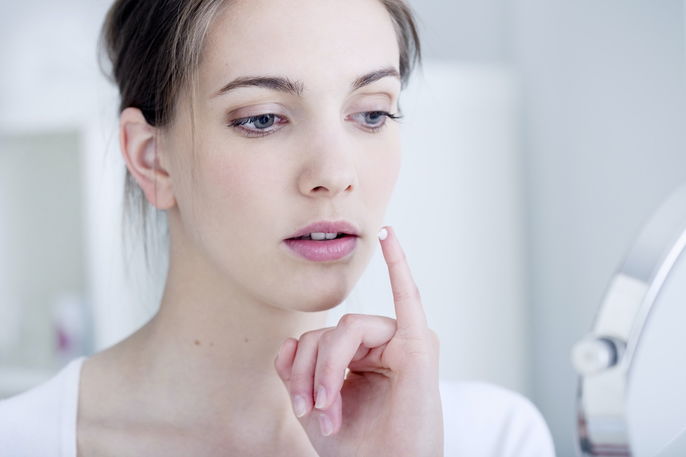
Main treatments
The main treatments for angular cheilitis include:
1. Healing creams and ointments
Healing creams and ointments for angular cheilitis may contain ingredients such as zinc oxide, vitamins A and D, or benzalkonium chloride. These ingredients can help moisturize, protect, and support skin healing, while creating a barrier that helps keep moisture away from the sore.
2. Mouth rinses
Mouth rinses for angular cheilitis that contain chlorhexidine have antiseptic action. They may help prevent infections in sores at the corners of the mouth.
Another option is a dry mouth rinse, which may help keep the affected area clean and hydrated and relieve discomfort from angular cheilitis.
Mouth rinses should be recommended by a doctor or dentist. After use, the rinse should be spit out and not swallowed.
3. Nutritional supplements
Nutritional supplements, such as iron, folic acid, or vitamin B12, may be recommended if angular cheilitis is caused by a deficiency in one of these nutrients.
These supplements should always be recommended by a healthcare provider, as the type, dose, and length of treatment can vary from person to person.
4. Antifungal medications
Some antifungal medications, such as clotrimazole, nystatin, or fluconazole, may be prescribed by a healthcare provider to treat angular cheilitis caused by a fungal infection.
These medications may be used as creams, ointments, oral suspensions, or other forms, depending on the recommended treatment.
In some cases, antifungal tablets, such as fluconazole, may be prescribed.
5. Antibiotics
Antibiotics, such as mupirocin, may be prescribed by a doctor or dentist if angular cheilitis is associated with a bacterial infection.
In these cases, mupirocin ointment may be prescribed. According to DailyMed, it is usually applied to the affected area 3 times daily for up to 10 days.
Mupirocin is available by prescription and can be obtained at a pharmacy.
Home remedies
Eating foods that support healing, such as yogurt or orange juice, may help the body form new tissue and close sores at the corners of the mouth.
These foods can complement angular cheilitis treatment, but they should not replace the treatment recommended by a healthcare provider.
Care measures
To help treat angular cheilitis, it is important to clean the corners of the mouth whenever there is excess moisture and to moisturize the lips often.
It is also recommended to avoid salty, spicy, and acidic foods, such as hot peppers, coffee, alcohol, vinegar, and certain cheeses. These foods can irritate the sore and worsen pain or discomfort.
