


Allergic conjunctivitis is inflammation of the conjunctiva, the thin membrane that covers the white part of the eyes and the inside of the eyelids. It occurs when the eyes come into contact with allergens such as pollen, dust, or pet dander, causing redness, intense itching, pain, swelling, and excessive tearing.
This condition is more common in the spring and summer, or during dry weather, when the air contains higher levels of dust and mites. These allergens can trigger not only allergic conjunctivitis but also other allergic reactions, such as allergic rhinitis.
In most cases, no specific treatment is needed, and avoiding contact with the triggering allergen is usually enough. However, an ophthalmologist or primary care provider may recommend certain eye drops to help relieve symptoms and reduce discomfort.
Main symptoms
The most common symptoms of allergic conjunctivitis include:
-
Intense itching in the eyes;
-
Clear, watery, or thick discharge;
-
Constant tearing;
-
Eye crusting, especially in the morning;
-
Redness in the eyes;
-
Swelling of the eyelids;
-
Blurred or hazy vision;
-
Reduced visual acuity;
-
Gritty or sandy sensation in the eyes;
-
Increased sensitivity to light.
These symptoms usually affect both eyes at the same time and are similar to those of other types of conjunctivitis. Therefore, it is important to see an ophthalmologist for proper diagnosis and treatment. Allergic conjunctivitis is not contagious and cannot spread from one person to another.
Confirming a diagnosis
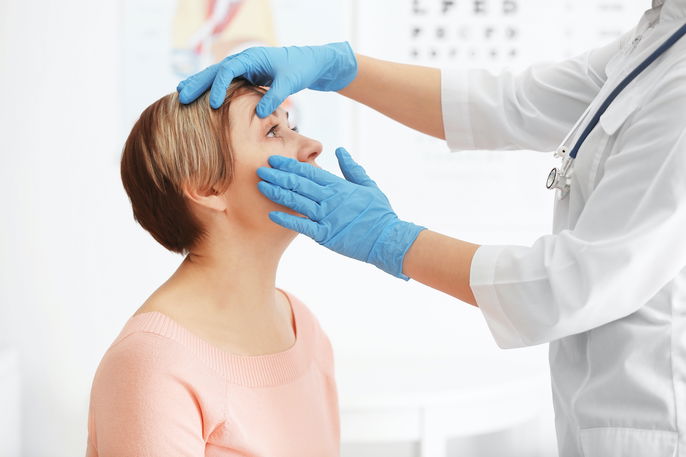
The diagnosis of allergic conjunctivitis is made by an ophthalmologist or primary care provider based on a review of symptoms, medical history, and an eye exam.
During the exam, the doctor may apply a drop of fluorescein dye to the surface of each eye to check for any damage to the cornea.
Lab tests are generally unnecessary, but the doctor may order an allergy test to identify which substance is triggering the allergic reaction.
Possible causes
Allergic conjunctivitis occurs when the immune system releases substances such as histamine in response to an allergen, leading to inflammation of the conjunctiva and associated symptoms.
The most common allergens and irritants that can cause allergic conjunctivitis include:
-
Dust;
-
Pollen;
-
Dust mites;
-
Fungi or mold;
-
Smoke;
-
Air pollution;
-
Pet dander;
-
Plants;
-
Eye makeup;
-
False eyelash glue;
-
Cosmetic products;
-
Chlorine from swimming pools;
-
Contact lenses.
People who already have other allergies are more likely to develop allergic conjunctivitis, especially children and young adults. It can also occur in people with a personal or family history of atopic dermatitis, eczema, asthma, or hives. In these cases, it is known as atopic conjunctivitis.
Different types
Allergic conjunctivitis can be classified based on the triggering allergen, the time of year, or the severity of symptoms. The main types include:
- Acute allergic conjunctivitis: This type appears suddenly after exposure to an allergen and usually improves within a day once contact with the allergen is avoided.
- Seasonal allergic conjunctivitis (hay fever conjunctivitis): This form is most common in spring, when exposure to pollen, dust, and mites increases.
- Perennial allergic conjunctivitis: Symptoms persist throughout the year and are generally mild and chronic. It is often caused by indoor allergens such as pet dander, dust, or mites.
- Vernal or atopic keratoconjunctivitis: This is a more severe form of allergic conjunctivitis, more common in children (especially boys) and in people who live in hot or dry climates or who have eczema, asthma, hives, or atopic dermatitis.
Another type of allergic conjunctivitis, known as giant papillary conjunctivitis, occurs when the eye comes into repeated contact with a foreign object, such as a contact lens, ocular prosthesis, or surgical stitches.
Treatment options
Treatment for allergic conjunctivitis should always be guided by an ophthalmologist or primary care provider and focuses on avoiding contact with allergens. It is important to keep the home free of dust, keep windows closed during spring, and avoid using chemical-based products such as perfumes or makeup.
A provider may recommend placing cold compresses over the eyes for 15 minutes or using lubricating eye drops such as Systane, Refresh Tears, or TheraTears to relieve discomfort throughout the day.
If symptoms persist or occur frequently, the ophthalmologist may prescribe antihistamine or corticosteroid eye drops. In more severe cases, oral antihistamines or corticosteroids may also be used.
Also recommended: Pink Eye Treatment: Eye Drops, Ointments and Other Care tuasaude.com/en/pink-eye-treatment