


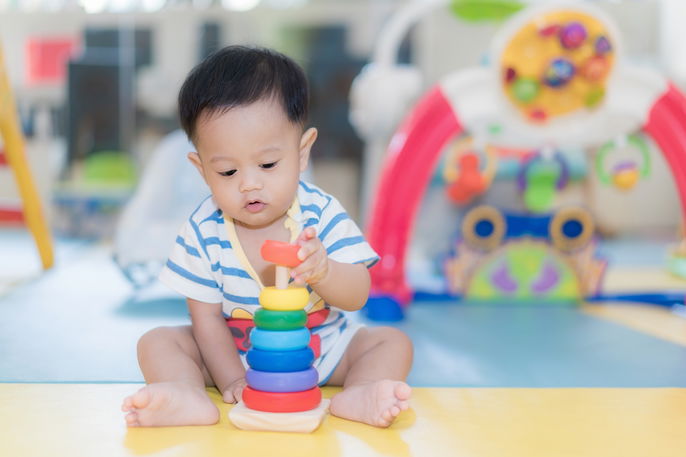
- A 9 month old baby is becoming stronger, often sitting without support, crawling, or trying to stand while developing better vision and curiosity about their surroundings.
- Nutrition at this stage includes breast milk or formula along with mashed fruits, vegetables, and proteins to support growth and new taste exploration.
- Most 9 month olds sleep around 14 hours a day and benefit from playful activities like peek-a-boo, which boost coordination and social skills.
By 9 months, babies are growing stronger and becoming more active. Many can already sit without support and may start crawling or trying to stand by holding onto furniture or toys. Their vision improves noticeably at this stage, allowing them to follow moving objects and people with more precision.
Nutrition also becomes more varied. In addition to breast milk or formula, a 9-month-old’s diet should now include healthy, natural foods such as mashed fruits and savory purees made with grains, vegetables, and proteins. This combination supports growth while helping babies explore new tastes and textures.
Every baby develops at their own pace, so differences in motor skills, sleep, or appetite are completely normal. However, if parents notice that their child seems behind in major milestones or has irregular growth patterns, it’s best to check with a pediatrician for a full developmental assessment.
Typical weight
Below is a general guide from the World Health Organization showing healthy weight, height, and head circumference ranges for 9-month-old boys and girls:
If a baby’s measurements are above or below these ranges, it’s a good idea to consult a pediatrician to ensure healthy growth and address any nutritional or developmental concerns.
Development milestones
A 9-month-old baby has more strength and coordination, allowing them to move into a sitting position on their own and stay seated without support. Many start pulling themselves up on furniture or toys to stand, and some may begin crawling.
At this stage, babies are curious and eager to interact. They start babbling repetitive sounds like “mamama” or “bababa,” understand simple words such as “no,” and recognize their own name. They enjoy watching movement and respond enthusiastically when someone calls their attention.
Parents can help boost development by pointing at objects, naming them, and describing what they are doing. Talking frequently, singing songs, and creating a safe, open play space encourage exploration and learning.
Vaccination schedule
In the U.S., the routine infant immunization schedule at 9 months typically does not include any additional vaccines beyond those already given in earlier months unless there is a travel-related or health-specific indication.
Feeding a 9-month-old
According to the American Academy of Pediatrics (AAP), breast milk remains an important part of a baby’s nutrition at this age and should continue alongside appropriate solid foods introduced around 6 months. When breastfeeding isn’t feasible or recommended, iron-fortified infant formula should be used under pediatric guidance.
Meals should include:
-
Fresh fruit purees for morning and afternoon snacks
-
Savory purees for lunch and dinner made from grains, tubers (like potatoes or yams), vegetables, legumes, and protein sources such as chicken, fish, or eggs
By 9 months, many babies are ready for foods that are mashed or finely chopped rather than completely pureed. Offering foods separately on the plate helps them recognize individual tastes and textures.
Avoid giving foods high in sugar or fat, like chocolate, cookies, ice cream, or sweetened juices. These may lead to poor eating habits and increase the risk of obesity or other health problems later in life.
It’s also important to make sure the baby drinks about 800 mL (around 27 fl oz) of safe water each day, including water from milk, formula, soups, and plain drinking water.
Sleep routine
A 9-month-old baby typically sleeps about 14 hours per day, divided between nighttime sleep (9 to 11 hours) and up to three daytime naps lasting around an hour each.
If your baby has trouble sleeping through the night, consider reducing household noise and lighting before bedtime. Avoid screen exposure, like TVs or phones, as these can overstimulate the baby and make it harder to fall asleep.
Play and stimulation
Playtime is essential for brain and motor development at this age. Activities that engage curiosity, coordination, and senses can make a big difference in overall growth.
Some activities that encourage development include:
-
Playing peek-a-boo or hiding and showing your face
-
Placing small objects, like a soft ball, in a box and encouraging the baby to imitate the movement
These playful moments help strengthen coordination, problem-solving, and social interaction skills.