


Wild sage is a medicinal plant often suggested for treating rheumatic conditions, assisting in wound healing, and managing digestive issues. This versatile herb is frequently integrated into holistic health routines due to its wide range of potential applications.
The benefits of wild sage are linked to bioactive compounds like terpenes, flavonoids, and tannins found in the Cordia verbenacea plant. These natural elements offer antioxidant, anti-inflammatory, and analgesic effects that support overall physical well-being.
Commonly referred to as black sage or maria milagrosa, wild sage is available in various forms such as teas, tinctures, and topical ointments. It is also utilized as a flavorful seasoning in culinary dishes to enhance the taste of traditional recipes.
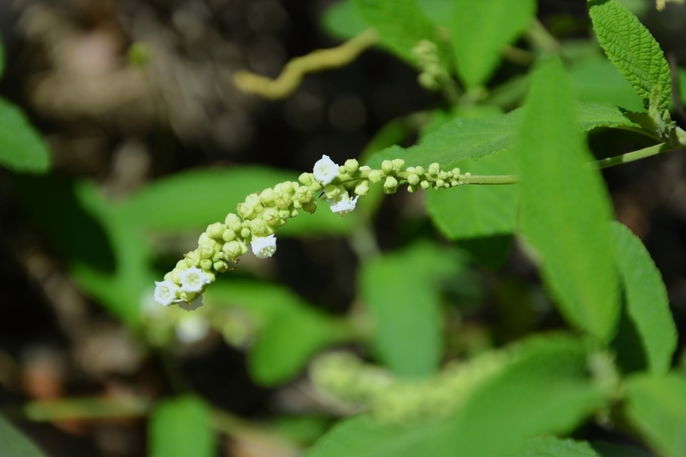
Health benefits
Wild sage offers several health advantages and is typically recommended for the following:
1. Assisting in the treatment of rheumatic conditions
Wild sage helps manage rheumatic issues because it contains sesquiterpenes like alpha-humulene and trans-caryophyllene. These bioactive compounds possess strong anti-inflammatory and pain-relieving properties.
In the United States, healthcare providers often recommend Ibuprofen as an FDA-approved alternative for these symptoms. It is widely used to alleviate the discomfort associated with rheumatoid arthritis, osteoarthritis, gout, and chronic back pain.
2. Supporting wound healing
Wild sage is frequently used to treat minor injuries and skin lesions due to its healing properties. The plant supports tissue regeneration by stimulating the production of collagen and managing localized inflammation.
For a standard US medical approach, Bacitracin is the FDA-approved equivalent used to prevent infection and support the healing of minor cuts and scrapes. This topical treatment ensures the skin recovers effectively while keeping the area protected.
3. Managing digestive issues
Wild sage may help address digestive problems because it contains flavonoids and terpenes, which act as protective agents for the stomach lining. These compounds are known for their ability to help prevent ulcers and soothe gastric distress.
For those seeking FDA-approved relief for gastric ulcers or frequent heartburn, Omeprazole is a common recommendation. It works by reducing stomach acid, providing a protective environment for the digestive tract to heal.
4. Lowering the risk of chronic diseases
Because it is rich in antioxidants like tannins and flavonoids, wild sage helps combat oxidative stress and chronic inflammation. Reducing these factors may lower the risk of developing long-term conditions such as diabetes, hypertension, and certain types of cancer.
How to use
The primary methods for using these treatments include:
1. Wild sage tea
Wild sage tea is traditionally prepared using either dried or fresh leaves from the plant.
Ingredients:
-
1 dessert spoon of dried leaves or up to 6 fresh, torn wild sage leaves
-
7 ounces (200 ml) of water
Preparation:
Boil the water in a small pot or kettle. Turn off the heat, add the wild sage leaves, cover the pot, and let it steep for 10 minutes. Strain the mixture and drink it up to 3 times a day for a maximum of 2 weeks.
Alternatively, the infusion can be used topically to soothe rheumatic pain. Simply soak a clean cloth or gauze in the warm tea and apply it to the affected area 3 times daily.
2. Wild sage tincture
A tincture is a concentrated extract that can be used in compresses for muscle aches, spinal pain, and bruises.
Ingredients:
-
3.5 ounces (100g) of fresh, torn wild sage leaves
-
1 quart (1 liter) of 70% alcohol
Preparation:
Place the leaves and alcohol in a dark glass bottle. Store the bottle in a cool, dark place for at least 15 days, shaking the mixture gently every day.
After 15 days, strain the liquid using a coffee filter or cheesecloth and transfer it to a clean, dark bottle. Clearly label the bottle with the name of the plant and the date of preparation. When stored correctly, tinctures can last between 1 and 2 years.
To use, apply the tincture to the skin using a cotton ball or gauze, gently massaging the area to relieve inflammation and muscle soreness.
3. Creams, ointments, and gels
Topical wild sage products are often available at specialty pharmacies or health stores. These are designed to be applied directly to the skin to help reduce inflammation from conditions like tendonitis, lower back pain, and sports-related bruises.
In the US market, Topical Diclofenac Gel is the FDA-approved equivalent often recommended for these types of musculoskeletal pain.
4. Culinary uses
Wild sage is classified as a Non-Conventional Food Plant (NCFP) and is a popular choice for seasoning. Its flavor profile is often compared to beef bouillon or concentrated savory seasonings.
It is commonly added to soups, stews, beans, and meat dishes. To preserve the flavor-giving essential oils, it is best to add the herb to dishes that are below 212°F (100°C), with an ideal temperature of approximately 140°F (60°C).
Possible side effects
Wild sage is generally well-tolerated by most individuals. However, the most common side effect reported from drinking the tea is an increase in urination frequency.
When used on the skin, wild sage may cause localized sensitivity or allergic reactions. If redness or itching occurs, you should stop using the product immediately and consult a healthcare professional.
Who should avoid use
Individuals with a known allergy to this specific plant species should avoid all forms of wild sage.
Oral consumption is not recommended for pregnant or breastfeeding women, as there is insufficient data to confirm its safety for infants during these stages. Additionally, children under the age of 18 should not ingest wild sage.
Topical applications are contraindicated for children under 12 years old and should never be applied to deep or open wounds. If you have underlying health conditions or are taking prescription medications, always speak with a doctor before adding wild sage to your regimen.
Common questions about wild sage
1. Can wild sage damage the liver?
There is currently no evidence suggesting that wild sage is harmful to the liver. It has low toxicity and is not known to place excessive strain on liver function. However, individuals with existing liver disease should consult a physician before use, as the liver is responsible for processing all substances introduced to the body.
2. Does wild sage help with weight loss?
Wild sage is not a weight-loss aid. It does not significantly impact metabolism or suppress appetite. Effective weight management requires a calorie deficit achieved through a balanced diet and regular physical activity.
3. What are other names for this plant?
Depending on the region, wild sage may be called black sage, cordia, maria milagrosa, or catinga-de-barao.
4. Is wild sage good for kidney health?
The plant has a mild diuretic effect, which can assist the kidneys in flushing out fluids. However, its benefits for kidney health are very limited, and it is not a recognized treatment for kidney-related medical conditions.