


Wasabi is a traditional Japanese condiment that also offers potential health benefits. It may help strengthen the immune system, support blood pressure control, aid in allergy treatment, and help regulate blood sugar levels.
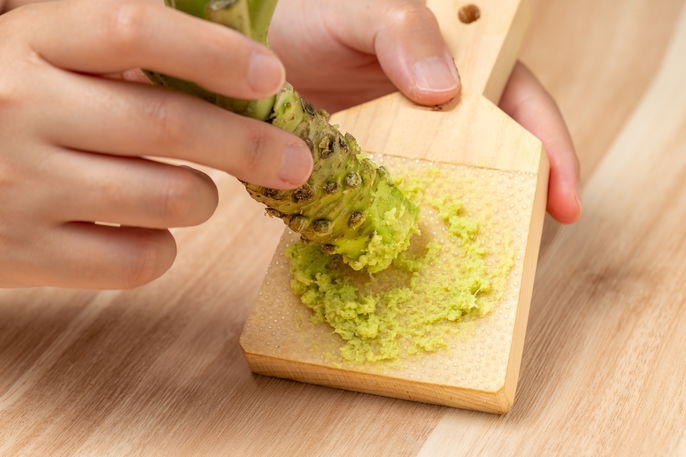
True wasabi is made from the rhizome (stem) of the Wasabia japonica plant, which looks like a root. However, the wasabi served in most Japanese restaurants outside of Japan is typically made from horseradish, mustard, and green food coloring, since authentic wasabi is rare and expensive.
To experience its full benefits, wasabi should be part of a balanced, varied diet and combined with regular physical activity.
Health benefits
The main benefits of wasabi include:
1. Strengthening the immune system
Wasabi helps boost the immune system because it’s rich in vitamin C, an essential nutrient that supports the proper functioning of immune cells and helps the body fight infections.
Check out other immune system boosters.
2. Controlling blood pressure
Thanks to its high potassium content, wasabi may help regulate blood pressure by promoting the elimination of excess sodium from the body.
3. Complementing allergy treatment
The wasabi plant contains isothiocyanates, bioactive compounds with anti-inflammatory properties. Because of this, wasabi may help complement treatment for allergic conditions such as asthma and allergic rhinitis.
4. Helping fight infections
Isothiocyanates found in wasabi also have antimicrobial properties, which may help fight infections caused by bacteria and fungi, including Helicobacter pylori (H. pylori), Staphylococcus aureus, and Escherichia coli.
5. Regulating blood sugar levels
Extracts from the wasabi plant contain compounds that can support glucose metabolism and help maintain balanced blood sugar levels. However, human studies are still needed to confirm these potential benefits.
6. Reducing cancer risk
Wasabi may help lower the risk of cancer because it contains isothiocyanates, natural compounds with anticancer properties that work by inhibiting the formation of carcinogenic substances.
Nutrition facts
The following table provides nutritional information based on a 100 g serving of raw wasabi root:
To make the most of wasabi’s health benefits, it should be included as part of a healthy, balanced diet along with regular exercise.
How to eat
Wasabi is usually used as a condiment in Japanese dishes like sushi or sashimi. It can be served separately in a small dish or incorporated directly into food preparation.
Authentic wasabi is made from freshly grated Wasabia japonica rhizome, using a rough surface or a ginger grater to create a fine paste. This paste can then be mixed with other ingredients, such as soy sauce or vinegar, to accompany raw fish or other dishes.
Recipes to try
Some recipes using wasabi include:
1. Wasabi mayonnaise
Ingredients:
-
2 Tbsp wasabi paste or powder;
-
1½ Tbsp of water;
-
½ cup of mayonnaise.
Directions:
Mix the wasabi paste or powder with the water in a small bowl. Gradually add the mayonnaise, stirring well until smooth. Chill in the refrigerator for about 30 minutes before serving.
2. Shrimp and wasabi spaghetti
Ingredients:
-
225 g (8 oz) of dry spaghetti;
-
1 tsp cornstarch;
-
20 to 24 large peeled shrimp;
-
4 tsp sake (or dry white wine as a substitute);
-
8 tsp soy sauce;
-
4 tsp wasabi;
-
2 Tbsp butter;
-
8 scallions, cut into long pieces;
-
Pinch of salt;
-
Black pepper to taste.
Directions:
Cook the spaghetti according to the package instructions. In a separate bowl, combine the shrimp with cornstarch, 2 tsp of sake, and a pinch of salt, then set aside. In another bowl, mix the remaining 2 tsp of sake with soy sauce and wasabi to make the sauce.
Heat a frying pan over high heat with butter or olive oil. Add the shrimp and sauté for about 3 minutes or until fully cooked. Then, add the scallions, sauce, and pasta, mixing well. Serve with a sprinkle of black pepper on top.