


- A waist trainer can temporarily change how the waistline looks and may be recommended after certain abdominal or spine surgeries to support tissues and help manage swelling and bruising.
- Daily use for “waist slimming” has no proven long-term effect and may cause downsides like harder breathing, slower digestion, weaker core muscles, and worse posture over time.
- A waist trainer should only be used with medical guidance after surgery, and it should not be used during pregnancy (traditional styles) or while working out due to breathing and movement risks.
A waist trainer is a compression garment made from firm, stretchy materials. It’s designed to squeeze the midsection, provide support, and temporarily change how the waistline looks.
In some situations, a surgeon may recommend a waist trainer (also called an abdominal binder) after spine or abdominal surgery. This can include procedures such as liposuction or abdominoplasty.
When used this way, the goal is usually to help limit swelling and bruising and to support healing. Even then, it should only be used under medical guidance.
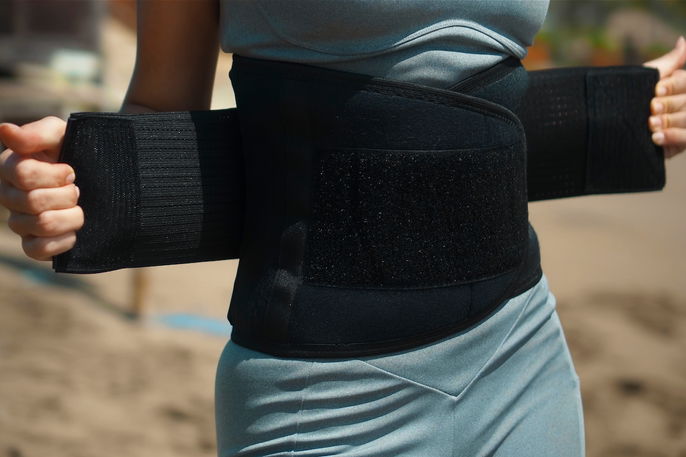
What does a waist trainer do?
A waist trainer (abdominal binder) may be used to provide support and help with recovery after spine or abdominal surgeries, such as abdominoplasty, liposuction, or other body contouring procedures.
Waist trainers are often used for cosmetic reasons to make the waist look smaller. However, no scientific studies have shown that they actually reduce waist size for aesthetic purposes.
Wearing a waist trainer regularly can also cause health issues. It may restrict breathing and digestion, and over time, it can weaken the abdominal and back muscles, potentially leading to poor posture and a less toned midsection.
Possible benefits
Some possible benefits of a waist trainer include:
-
Reducing swelling and bruising, since steady compression may help limit fluid buildup and bruising after surgery and may support healing;
-
Providing support after surgery, by helping posture and stabilizing tissues, which can make recovery easier;
-
Helping minimize scarring, as compression garments may contribute to scars that look thinner and less noticeable;
-
Relieving postoperative discomfort, since ongoing compression may reduce general soreness.
Even with these possible benefits, a waist trainer should only be used when recommended by a surgeon. The surgeon can confirm whether it’s appropriate and how long it should be worn.
It’s also important to note that there are still no scientific studies proving the true effectiveness of waist trainers overall.
Potential risks
The risks of wearing a waist trainer daily to slim the waist include:
-
Weakening of the abdominal and back muscles, because the garment can reduce how much these muscles work during everyday movement, which can worsen posture and contribute to a looser midsection;
-
Breathing difficulty, since the waist trainer can limit natural expansion during breathing and make deep breathing harder;
-
Poor digestion, because pressure on the abdomen may interfere with normal digestive function;
-
Poor blood circulation, since excessive compression may reduce blood flow to tissues and raise the risk of swelling, varicose veins, and deep vein thrombosis;
-
Feeling insecure when not wearing it, which can affect self-esteem and quality of life.
To slim the waist, the recommended approach is to reduce abdominal fat through a balanced diet and regular physical activity.
Cosmetic procedures such as liposuction or noninvasive body contouring treatments may also be options to enhance body shape. In general, these approaches are more effective for contour changes than wearing an abdominal compression garment for aesthetic purposes.
Frequently asked questions
Some common questions about waist trainers include:
1. Do waist trainers work?
After surgery, a waist trainer may help reduce swelling and bruising, support tissues, and ease postoperative discomfort. It may also help minimize scarring.
A waist trainer also creates immediate compression of the midsection, which can temporarily change body contours.
However, there are still no studies proving the true effectiveness of waist trainers overall.
2. Can I wear a waist trainer while working out?
Wearing a waist trainer during exercise is not recommended by fitness professionals. The main concerns include breathing risks, restricted movement, and possible long-term muscle weakening.
There is no scientific evidence showing that wearing a waist trainer improves strength, endurance, or fat burning during workouts.
3. Does a waist trainer help with weight loss?
A waist trainer does not cause weight loss because it does not reduce body fat.
It may temporarily reduce bloating and fluid retention, which can create a short-lived impression of weight loss.
4. Can pregnant women wear a waist trainer?
Using a traditional waist trainer during pregnancy is not recommended. It may affect blood flow, normal belly expansion, and breathing, which are important for both the pregnant person and the fetus.
However, there are maternity support belts designed specifically for pregnancy. These are made with more flexible fabric, do not use hook-and-eye fasteners, and can be adjusted as the belly grows.
These belts are meant to provide support and may help relieve low back pain, without excessive compression.