


An under the skin pimple is a type of acne that forms as a lump beneath the surface of the skin, most often on the face, back, or chest. It can cause pain, redness, and swelling in the affected area.
This type of pimple is especially common during times of hormonal changes, such as puberty, pregnancy, or menopause. During puberty, oil production increases, which raises the chance of breakouts.
It is important not to squeeze an under the skin pimple, as this can lead to more inflammation, pain, or scarring. The best option is to see a dermatologist for proper evaluation and treatment.
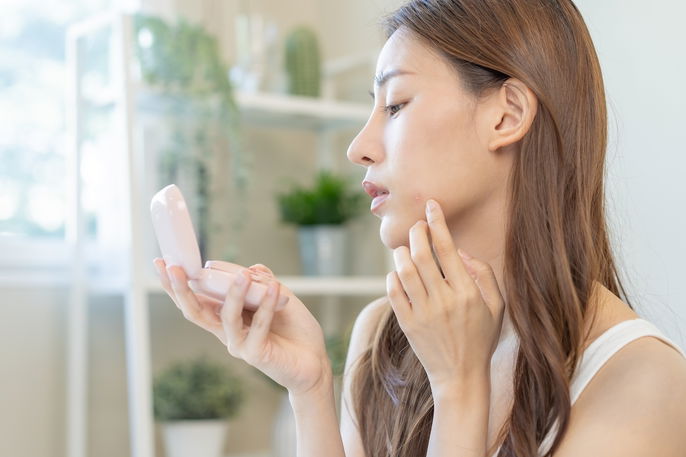
How to identify an under the skin pimple
The main symptoms of an under the skin pimple include:
-
Lump beneath the skin
-
Pain or discomfort in the area
-
Redness or inflammation
-
Swelling
This type of acne can affect both men and women at any age and commonly develops on the face, back, or chest.
Why it happens
An under the skin pimple is closely linked to hormonal imbalance. It is very common during adolescence due to fluctuations in testosterone levels in both boys and girls.
In adults, it can also develop, often triggered by stress, anxiety, the premenstrual period, or diets high in sugar and fat.
What to do
To help treat an under the skin pimple, it is recommended to:
-
Avoid squeezing the pimple, as this can make symptoms worse and leave dark spots
-
Apply a warm compress or heating pad wrapped in a clean, dry towel for 15 minutes, then remove for 10 minutes, repeating for at least 1 hour daily until the pimple goes away
-
Use warm steam on the area for a few minutes several times a day, either with a facial steamer or from the steam of a warm shower
To prevent new pimples from appearing, deep skin cleansing is also helpful. For normal to dry skin, this can be done every 2 months, and for oily or combination skin, once a month. It can be done at home, but is most effective when performed by a skincare professional.
Why you should not squeeze an under the skin pimple
Squeezing an under the skin pimple should be avoided because there is no surface opening for the pus to drain. This increases the risk of inflammation, pain, and dark spots on the skin.
Care during treatment
Some care tips that can help with the treatment of an under the skin pimple include:
-
Do not squeeze the pimple, as this can make symptoms worse
-
Wash the affected area twice a day with cold water and a mild soap to reduce oil buildup
-
Apply sunscreen with at least SPF 30 once a day to help prevent skin spots
-
Keep skin hydrated with a moisturizing mask to restore the skin barrier and support cell renewal
-
Avoid makeup on the affected area, as it can clog pores and increase oiliness
-
Exfoliate once a week to remove impurities, encourage skin renewal, and promote new cell growth. Check our DIY face scrubs that you can prepare at home.
These steps can be followed as part of home treatment or alongside medical care. Continuing them even after the pimple disappears helps maintain healthy skin and lowers the chance of new pimples forming.
It is also important to limit foods high in sugar or fat, such as chocolate, peanuts, and milk, since they can irritate sebaceous glands and trigger acne.
Does toothpaste dry out pimples?
Toothpaste does not dry out pimples and should not be applied to an under the skin pimple or any other type of acne.
Using toothpaste on the skin can cause irritation, allergic reactions, or dryness. It may also clog pores and make inflammation worse. Sun exposure also does not dry pimples and can instead increase oil production, worsen inflammation, and cause dark spots.
When to see a doctor
It is recommended to see a dermatologist when:
-
Home remedies have not worked
-
Pain lasts longer than 1 week
-
Pimples appear frequently
In these cases, the dermatologist can assess the skin and recommend the most effective treatment, which often involves antibiotics or isotretinoin.